Fashioning The Beatles – The Looks That Shook the World

“It wasn’t like we were following a trend;
we were in the trend.”

— PAUL MCCARTNEY

There’s no doubt that clothing is one of the most visible aspects of the development of a culture. A new book that’s just hit the shelves, Fashioning the Beatles – The Looks That Shook the World, is a well-researched and thoughtful exploration on how The Beatles played a leading role in shaping the fashion, attitudes and social change going on around them throughout the 1960s and beyond.

Author Deirdre Kelly wisely begins her book with a brief preliminary section called ‘Dressing for Pepperland’. That’s because during this period the band reached the zenith of their flamboyant style. Designers on Carnaby Street and around the world were influencing, and were in turn being influenced by, The Beatles in something of a symbiotic relationship. They were in their heyday.

We then journey back to the year 1960 and in chronological order, chapter by chapter, visit key fashion moments with quite a detailed examination year-by-year of what the band were wearing through to 1970, and beyond. We learn who was helping, advising, and being commissioned to come up with new looks for them, but also importantly, how The Beatles themselves played a central role in defining their style. Kelly then uncovers how that style in turn influenced whole industries and often swung the pendulum of the fashion world in new directions.

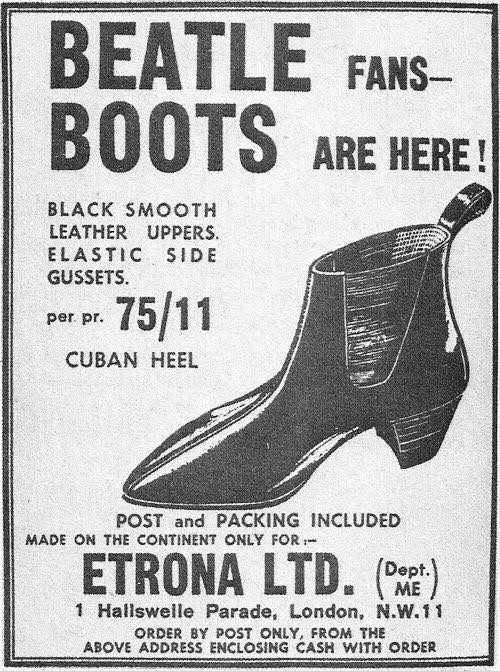
After a stint as “the savage young Beatles” which (in their early Hamburg/Liverpool days) saw the band sporting a tough look (black leather pants and jackets, black shirts, black t-shirts), in 1961 the group underwent a complete makeover. At the suggestion of their new manager, Brian Epstein, the band took on a suited, clean-cut, almost boy-next-door look that was carefully designed to help them break through in the pop world. They weren’t forced into this. It was something the group agreed was the right thing, as they too saw it as a way to achieve their goal of becoming the “toppermost of the poppermost!”. It was a makeover that worked, one where even the footwear they chose was considered. Kelly goes into detail about how the band had input into the evolution of the famous “Beatle Boots” and how this too became part of their defining look, and a fashion icon of the time. Soon manufacturers where knocking off copies and The Beatles were well on their way to becoming major influencers.
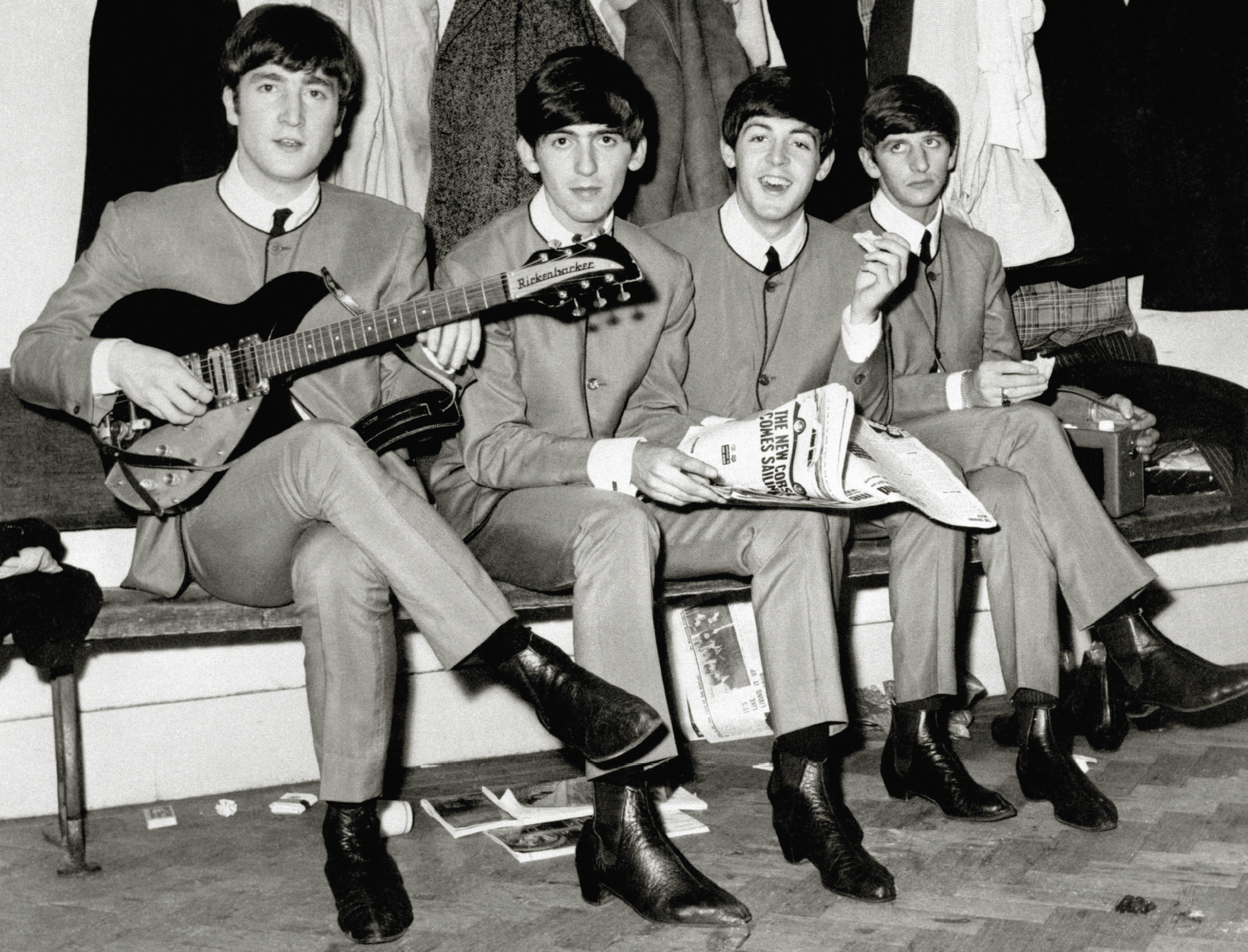
1963 was the year of the now iconic collarless suit – created for the band by UK tailor, Dougie Millings, whom we learn went on to make over 500 outfits for the group. His collarless creation was conceived in a brainstorming session involving Paul McCartney, who’d originally proposed the idea. Their suits were modeled on an original design by Pierre Cardin, but tweaked to make it a distinctively Beatles’ garment. Kelly writes: “It established the Beatles as fashion forerunners”:
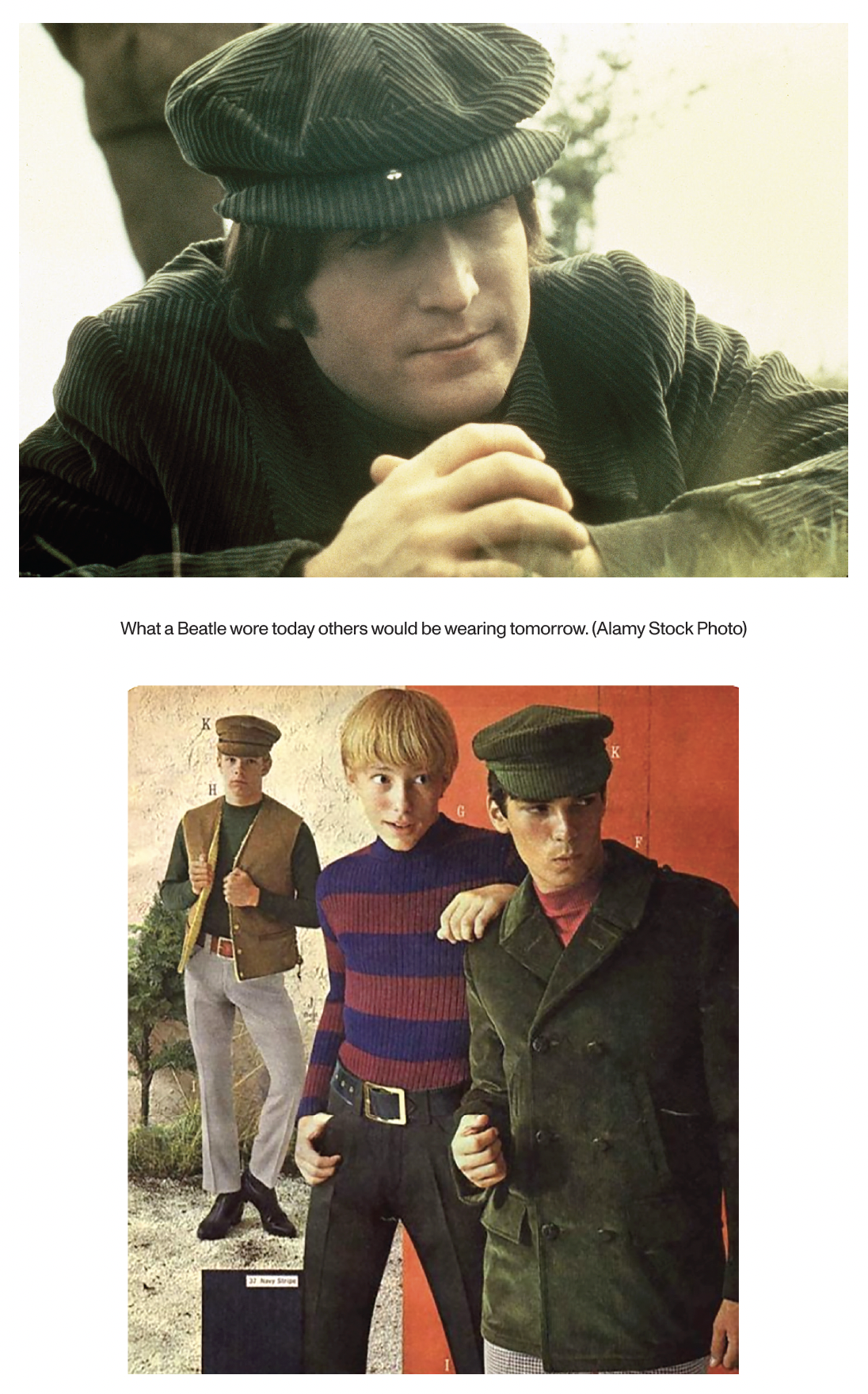
It continued what was to become a trend. What a Beatle wore today would soon turn up as the latest hot trend in the shops tomorrow:
However, as with their music, The Beatles never stood still, always pushing the boundaries and never repeating themselves. Once a particular fashion look they’d pioneered started catching on, they’d already moved on.

Fashioning The Beatles is meticulously researched and contains fascinating detail around how the designs they wore came to be. The book also turns up interesting side observations along the way. Take this 1965 photograph taken during the filming of Help!:

In the movie, the band mixed British and US clothing styles. Denim wasn’t yet the ubiquitous fabric it would become and was regarded as something of a novelty. Notice though that George has bleached his jeans, prefiguring the acid wash jean trend that proliferates to this day.

By this mid-decade period and beyond The Beatles largely discard the suits (and boots) and begin to dress to please themselves. In doing so they have a further profound influence on the way young people dress and behave too. What the band wears is an extension of their innate creativity: their personal taste, their natural sense of style – and it was being followed closely by millions.

Tony Palmer (director of the documentary series All You Need is Love: The Story of Popular Music) says in his Preface to the book that The Beatles didn’t set out to be trendsetters. They were innately stylish young men and by simply wearing what they wanted to wear, became the leading style-makers of their day. Their huge, worldwide fame ensured that whenever they were photographed, filmed, or simply seen out and about in public, people took notice of their sartorial style, and those looks helped influence the culture of the day.

By the mid to late 60s The Beatles were now routinely mixing stage clothes with items from their personal wardrobes, and even (albeit briefly) starting up commercial fashion outlets of their own. Kelly provides great detail and context to these ill-fated forays into the fashion retail world via the Apple Boutique store and Apple Tailoring. And herein lies an Australian connection (and yet another example of The Beatles’ questionable choice in business partners), in the form of one John Crittle, proprietor of a business often frequented by the band called Dandie Fashions. They eventually came to own a 50% stake in the store and re-branded it Apple Tailoring (Civil and Theatrical). They opened a hair salon in the premises too, presided over by Leslie Cavendish (who’d been cutting the hair of Paul, George and John). However it turned out that the brains and style behind the clothing part of the venture was really Crittle’s fashion-savvy wife Andrea, who is perhaps better known as the mother of British prima ballerina, Darcey Bussell. Just how Crittle sullied Apple Tailoring’s reputation is something you’ll need to buy the book to read about. It’s not pretty.

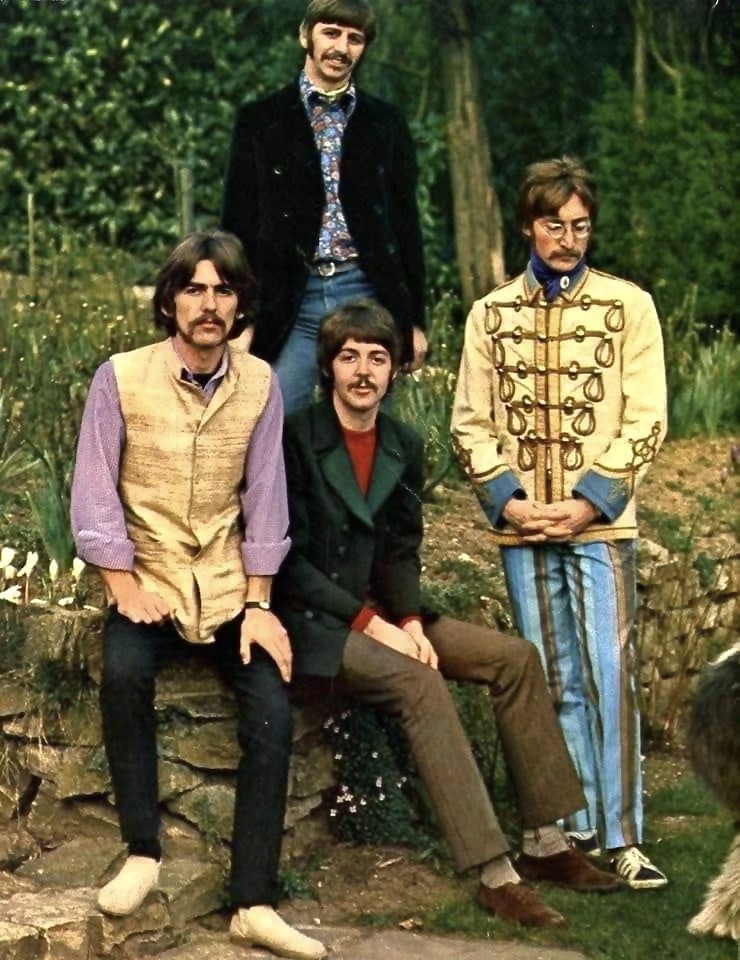
Fast forward to today and the influence and spirit of The Beatles still ricochets around the fashion world. Take for example this 2023 collaboration between fashion house Rabanne and the multinational, mass market clothing retailer, H&M. The look could easily owe its inspiration to 1967 and the famous foursome’s adoption of the militaristic uniforms from their Sgt. Pepper era:

We here at beatlesblogger.com have a mountain of books about The Beatles. Amongst them is just one other book on Beatle fashion, Fab Gear – The Beatles and Fashion by Paolo Hewitt – and it’s long out of print. That is proof that very little has been written about this aspect of the band’s creativity and their huge impact on fashion and culture. It is why Fashioning The BeatlesThe Looks That Shook the World is an important piece of scholarship. Deirdre Kelly’s new work is a very welcome addition to the library. Grab a copy while you can.

Beatles With Records – Part 30

It has really been quite some time since we’ve done a Beatles With Records post.

Our Beatles With Records series is exactly that: photographs of the band actually holding those things they sold so many of: records and CDs. These can be Beatle discs, or discs by other artists.

The posts prompted quite a few readers to send in additional photographs, and also to do some amazing detective work on the sometimes mysterious records the Beatles are holding in photos. Sometimes the albums are easy to guess. Then there are others where you can only see a fragment of a cover, or the rear image of a sleeve, making it very difficult to identify – especially when the record is by an unrelated artist.

One recent photo to come to light is definitely in that latter camp. It comes from the recently released book by Paul McCartney’s brother, Mike McCartney (a.k.a. Mike McGear).

His book, published by Genesis Publications, is called Mike McCartney’s Early Liverpool and it contains some never-before-seen early photos of The Beatles, including this gorgeous one of John and Paul (and most probably George too, on the left). It is called Mathew Street, 1962 and hey are no doubt standing outside the famous Cavern Club:

This one had us intrigued. Paul is clearly looking at some 45’s, and John has under his arm what at first appears to be an LP of some kind. Further investigation though reveals it not to be a record but a bag containing a record from Liverpool’s NEMS record store. NEMS of course was owned by the family of their manager, Brian Epstein.

Wouldn’t it be great to know which LP John had purchased? What it is will probably never be known….

A couple of other items of interest have surfaced.

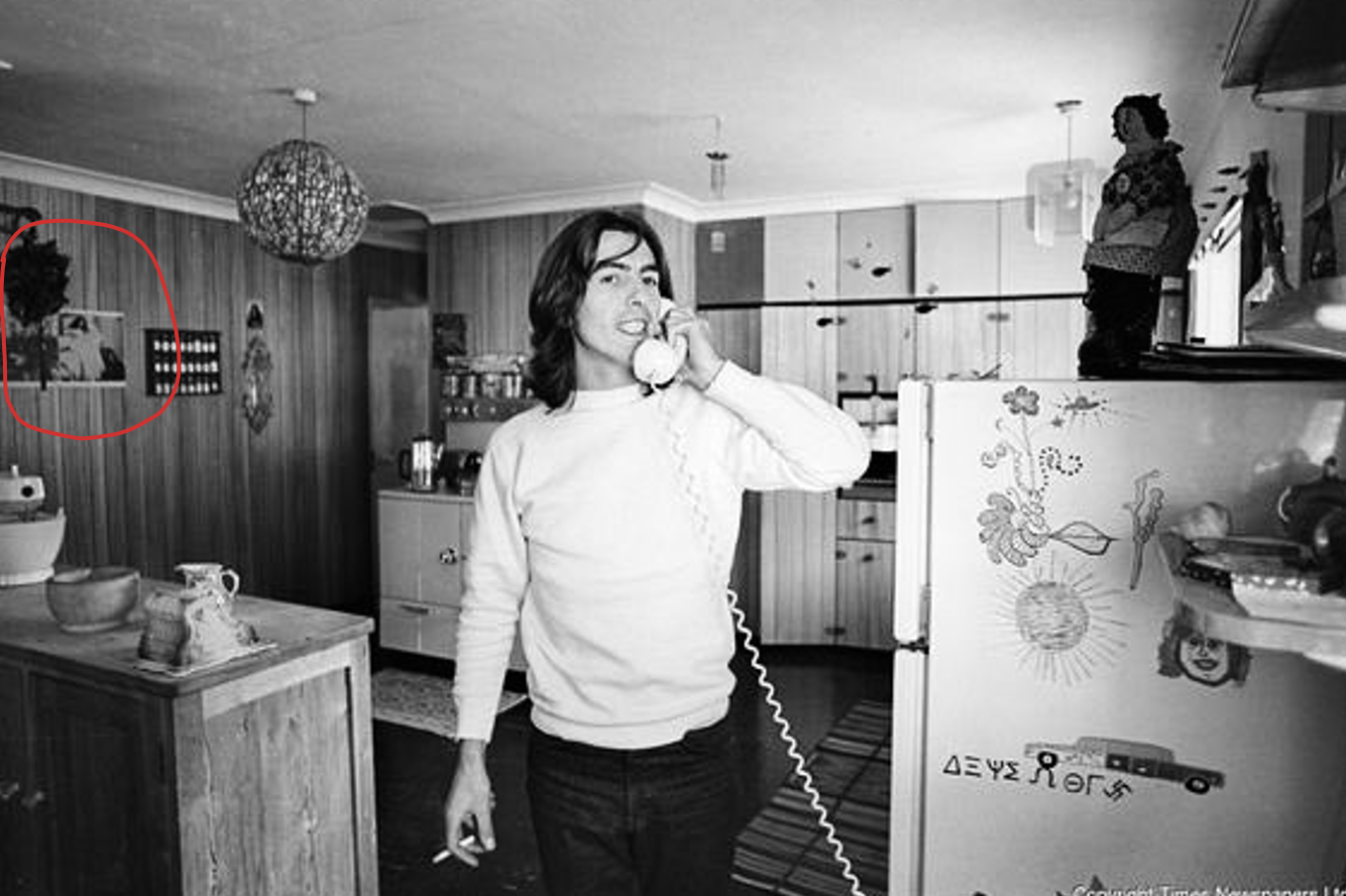
This one shows George Harrison in his kitchen at home at Kinfauns:

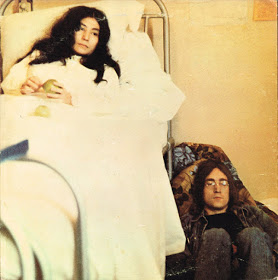
Quite interesting to see pinned up on the wall behind him a John Lennon/Yoko Ono album cover:

Here it is again, a different angle from the same photo shoot (click on image for a larger version):

It is Unfinished Music No.2: Life With The Lions, an experimental album on the Zapple label from 1969:

It appears to be an album slick opened out containing the rear cover image as well:

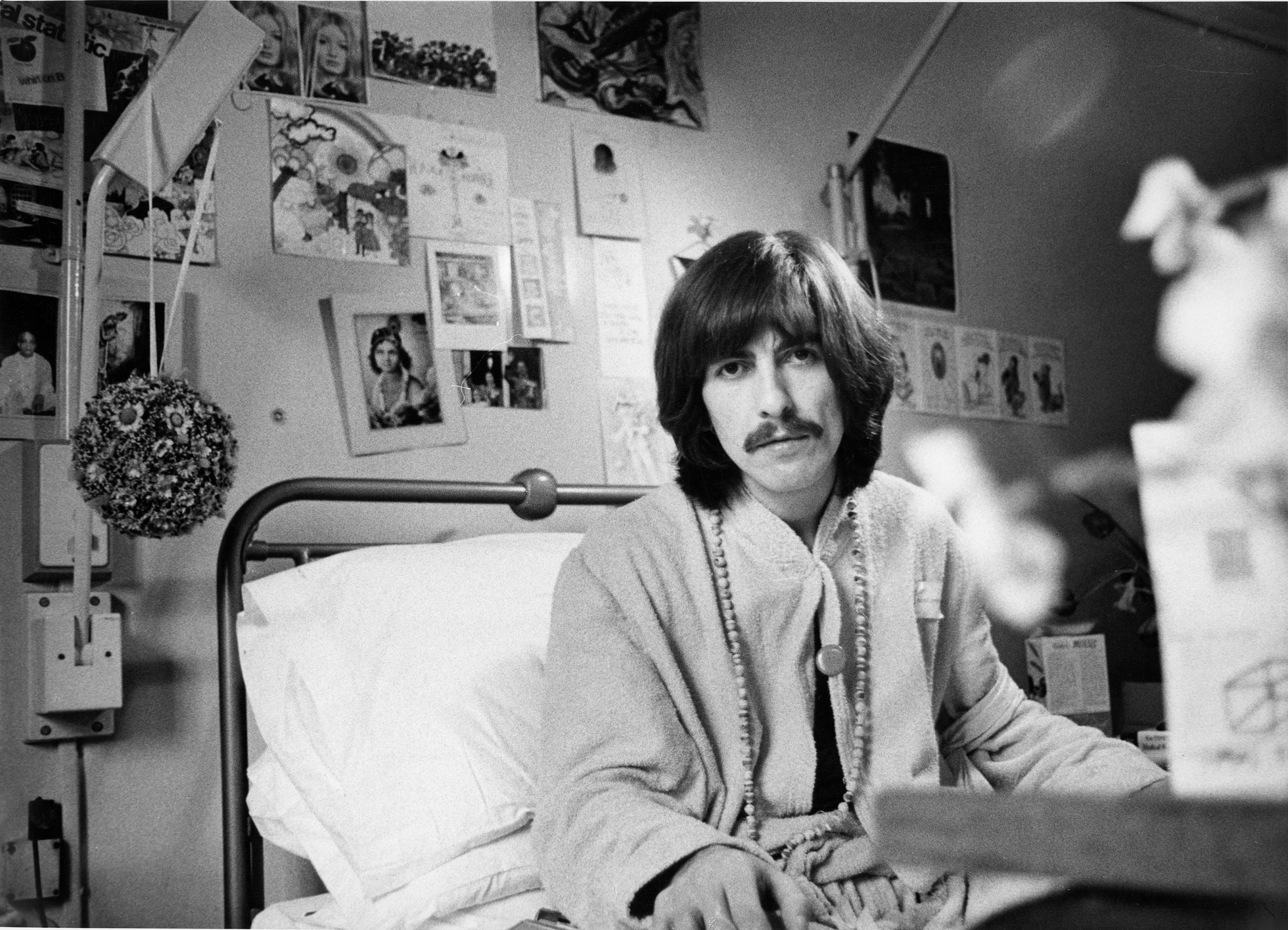
George seemed quite fond of putting up album covers, or elements of album covers, on his walls. If you look at the top left of this photo – taken in what seems to be a hospital ward – you can see two prints of the Linda Eastman photograph of Apple artist Mary Hopkin. That image was used for the front cover of the Hopkin LP Postcard:

(Turns out that George was at London’s University College Hospital, where he got his tonsils removed in February, 1969)

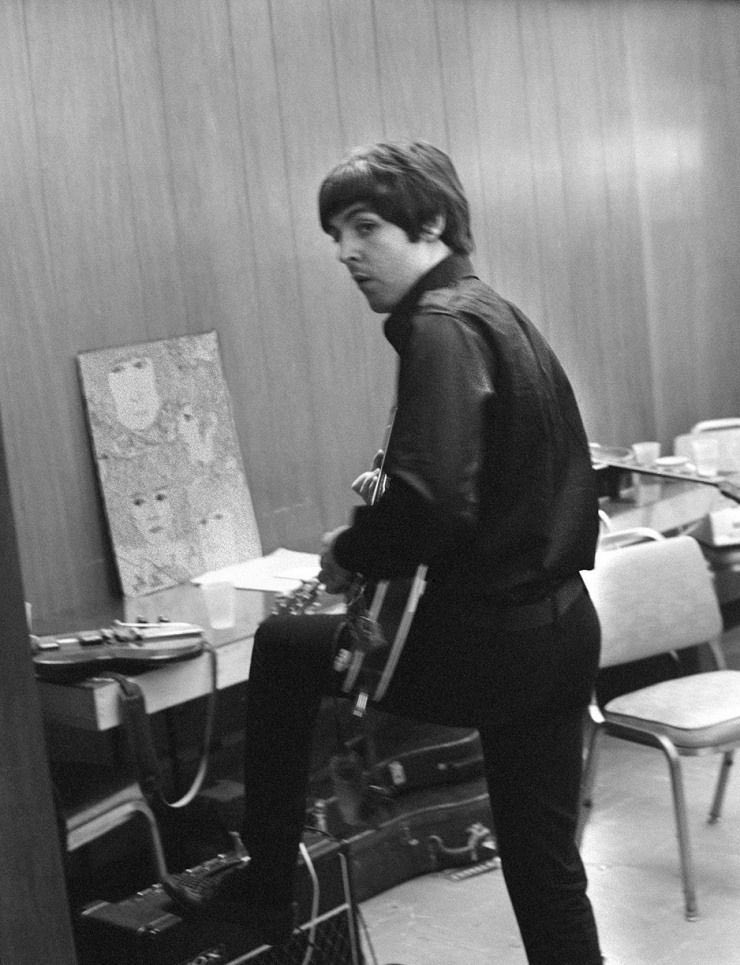
Here’s an image of Paul McCartney with what could be an early rendering of the Klaus Voormann cover for the Beatles Revolver LP. Either that or an attempt by a fan to replicate Voormann’s amazing artwork:

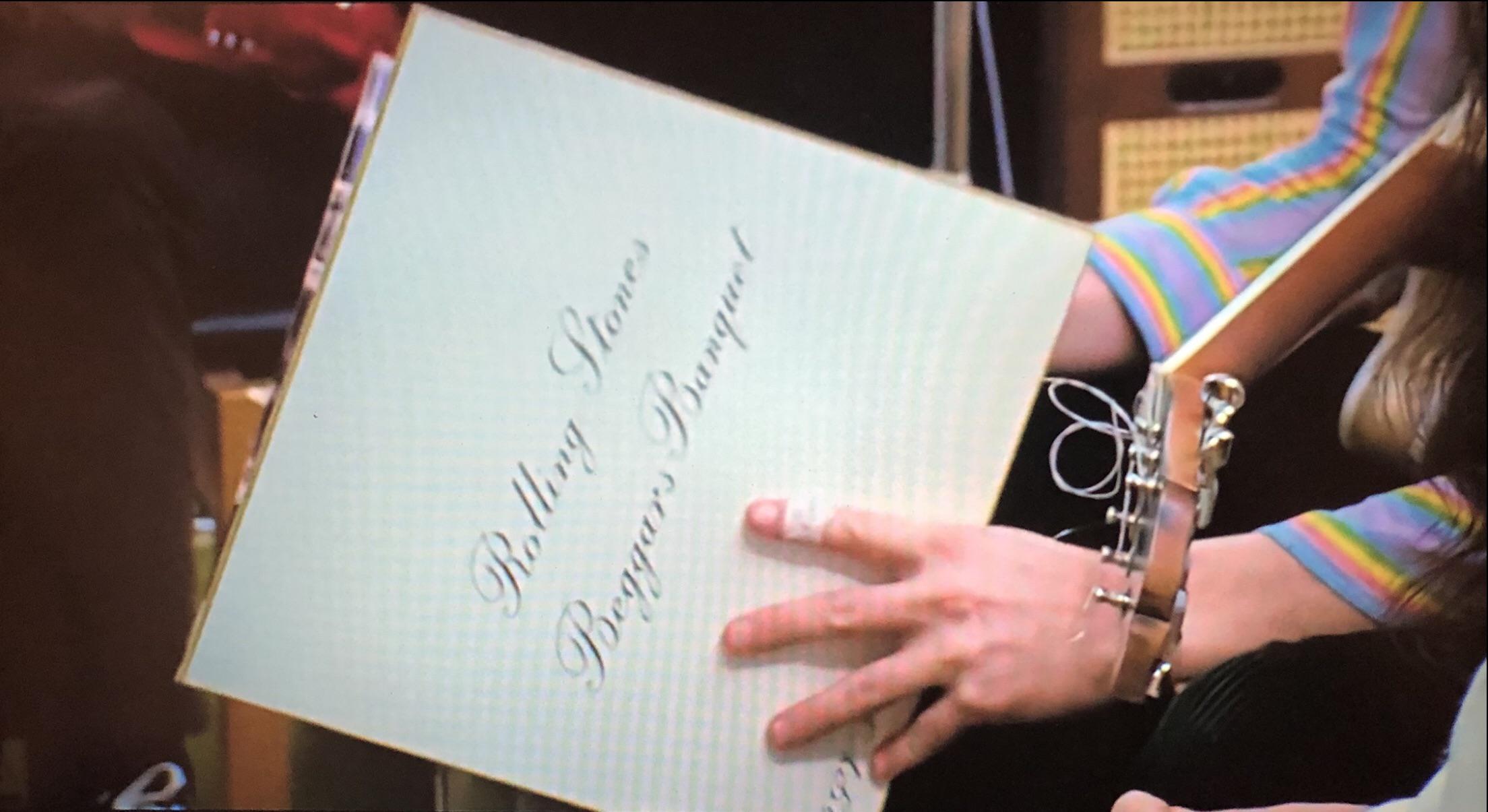
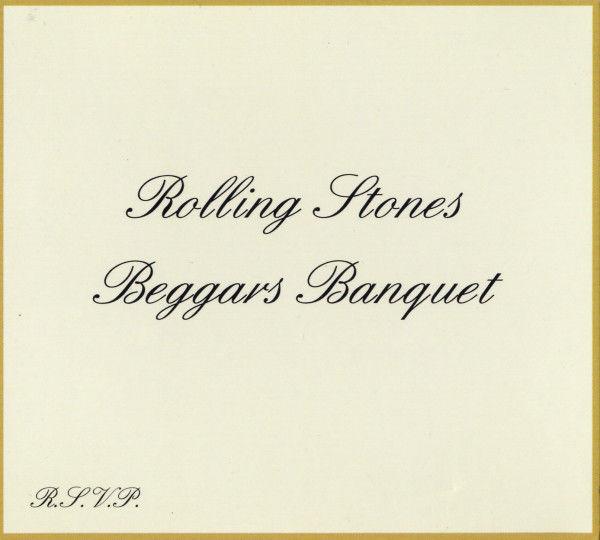
And finally, a still taken from the incredible Peter Jackson/Disney+ 3-part series Get Back on the making of the Let It Be album, this image of John Lennon taking a look at the latest Rolling Stones LP of the day:

See the other instalments of The Beatles With Records here.

Like Some Forgotten Dream – Book Review

In the lead-up to the re-mixed Let It Be album and all it’s associated special releases, and The Beatles: Get Back – the mammoth three-part, six-hour Peter Jackson film looking at the final days of the Beatles as a band – its tantalising to speculate on just what might have been had the band not called it a day back in 1970.

Enter Daniel Rachel’s new book, Like Some Forgotten Dream – What if the Beatles Hadn’t Split Up?

The first part of that title derives from the first two lines of ‘Real Love’, a John Lennon song recorded long after his death by the “Threetles” – the three surviving members of The Beatles: Paul, George and Ringo. Its a clever reference to exactly what is going on in this book: what if this incredible band actually went on to record again instead of going their separate ways in 1970?

This requires the reader to susupend disbelief for a moment around what is a very big “what if” question, but basing that suspension firmly around evidence and real events. Author Daniel Rachel steps us through a very well-researched premise that things in fact could have – with just a few changed decisions by the Beatles – worked out very differently.

This book is not a novel. It’s what I’d describe as ‘informed speculation’. It takes real facts and cleverly strings them together to form a narrative that proposes a possibility. Its a bit like that Gwyneth Paltrow movie Sliding Doors which examines an alternate reality of what might happen in a person’s life if just one or two decisions are different.

In-depth and scholarly, this book is, on the whole, exceptionally well-researched. Even if you can’t bring yourself to believe the book’s central premise, along the way you’ll learn heaps about The Beatles, their music, and what was going on around them at the time of their break-up.

Author Rachel delves into events and real statements made by John, Paul, George and Ringo in interviews that play into the story he is telling. As he states in his Introduction “Often, this necessitated taking words out of context to serve the argument, but it is important to stress that no words have been invented. Like Some Forgotten Dream is a fantasy [but] the information used – dates, facts, interviews – is all genuine.” He goes on: “The fantasy involves retracing the last years of the group’s working relationship, from the personal and the political to the artistic and the financial. The tragic death of manager Brian Epstein, the fragmented recording of the White Album and, in 1969, the problematic Get Back/Let It Be sessions that spawned a year of internal rancour and bitterness.”

Rachel skillfully re-evaluates all these areas, and through this we as readers catch a glimpse of an alternative to what really happened – a world where the band fought just a bit harder to stay together, compromised a little more, and negotiated their way through all their disagreements to release another Beatle album to add to the canon.

Like Some Forgotten Dream is presented in two parts. Part One: ‘Don’t Upset the Apple Cart’ examines the world of the Beatles pretty much from 1966 (the time they decided to stop being a touring band) through to late 1969/early 1970 and the eventual, drawn-out demise of the band. The sections on the Twickenham and Apple Studios Get Back/Let It Be sessions, their final live roof-top performance, and the sessions for Abbey Road are fascinatiing in their detail – essentail reading as we await the release of the newly remixed Let It Be album and its many outtakes due later this year.

Part Two is called ‘Four Sides of The Beatles’. It imagines that John, Paul, George and Ringo stay together to release one more double LP. This is based on a real suggestion put forward by Lennon in the dying days of the band: that each Beatle gets one side of an LP and is given free reign to fill it with their own songs. Daniel Rachel calls this album Four Sides of the Beatles and again, using real events and what actually transpired once they became solo artists, posits what those songs might have been.

Again, we learn heaps about the origins of real songs – songs which in many instances were released on solo albums. But here we’re invited to imagine what the end results might have sounded like with magic Beatle dust being sprinkled across each track as all four band members contribute to them in different ways.

I was a little sceptical about this book at first. I’m not usually big on speculative stories like this, but because this is not a fictionalised account but rather a premise firmly based around facts to build it’s case, Like Some Forgotten Dream turns out to be a fascinating read. It is well worth you it seeking out.

Daniel Rachel is a musician turned award-winning author. His previous books include the NME and Guardian Book of the Year Isle of NoisesEvening Standard Book of the Year Don’t Look Back in Anger, and Walls Come Tumbling Down, which was described as ‘triumphant’ by the Guardian and ‘superlative…brilliant’ by Q magazine, and was awarded the prestigious Penderyn Music Book Prize in 2017.

Like Some Forgotten Dream is published by Cassell, an imprint of Octopus Books. It was released on August 26 in the UK, and will be available in other territories shortly.

Strange/Unusual Find of the Month

“If anyone was the Fifth Beatle, it was Brian.” – Paul McCartney, 1999

Again, this is not rare or expensive, but quite an unexpected find during a visit to the city of Melbourne in Victoria, Australia.

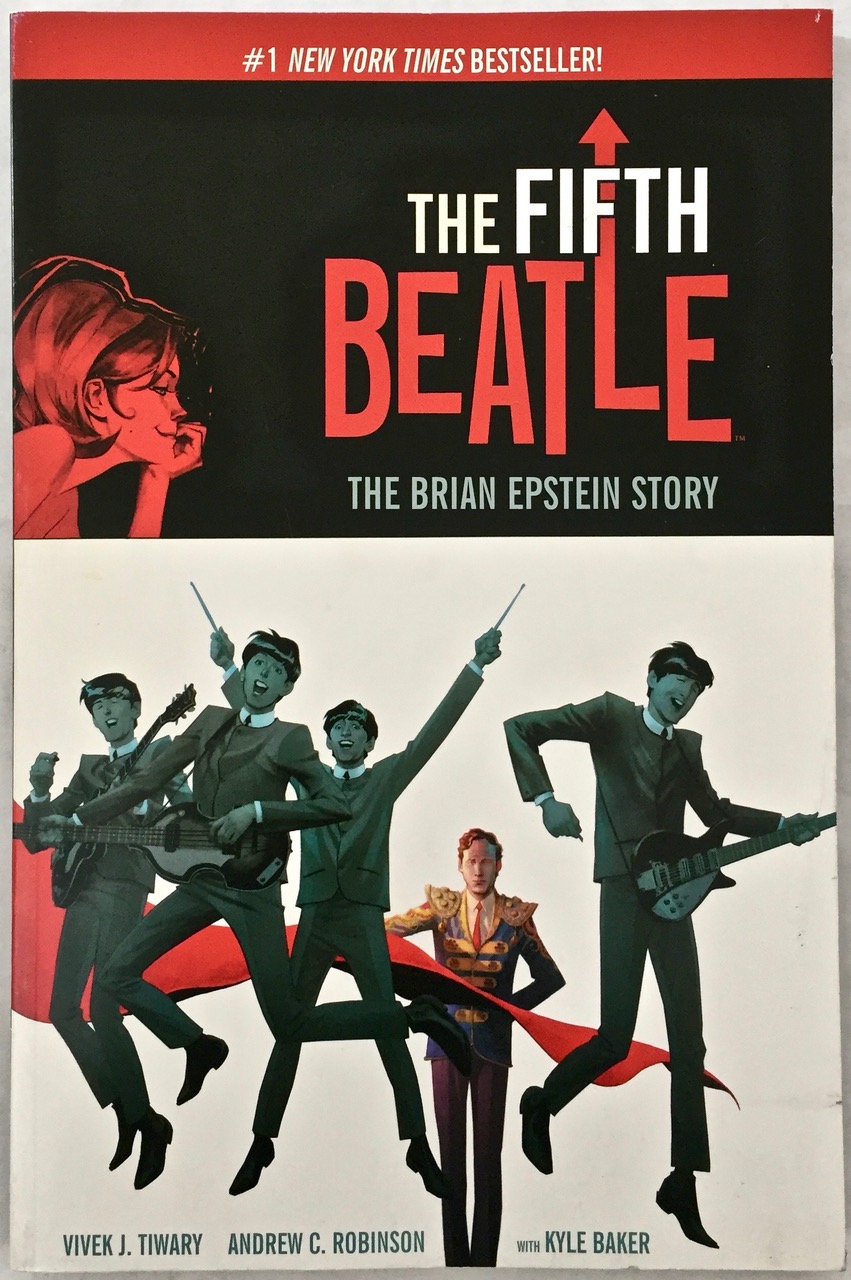
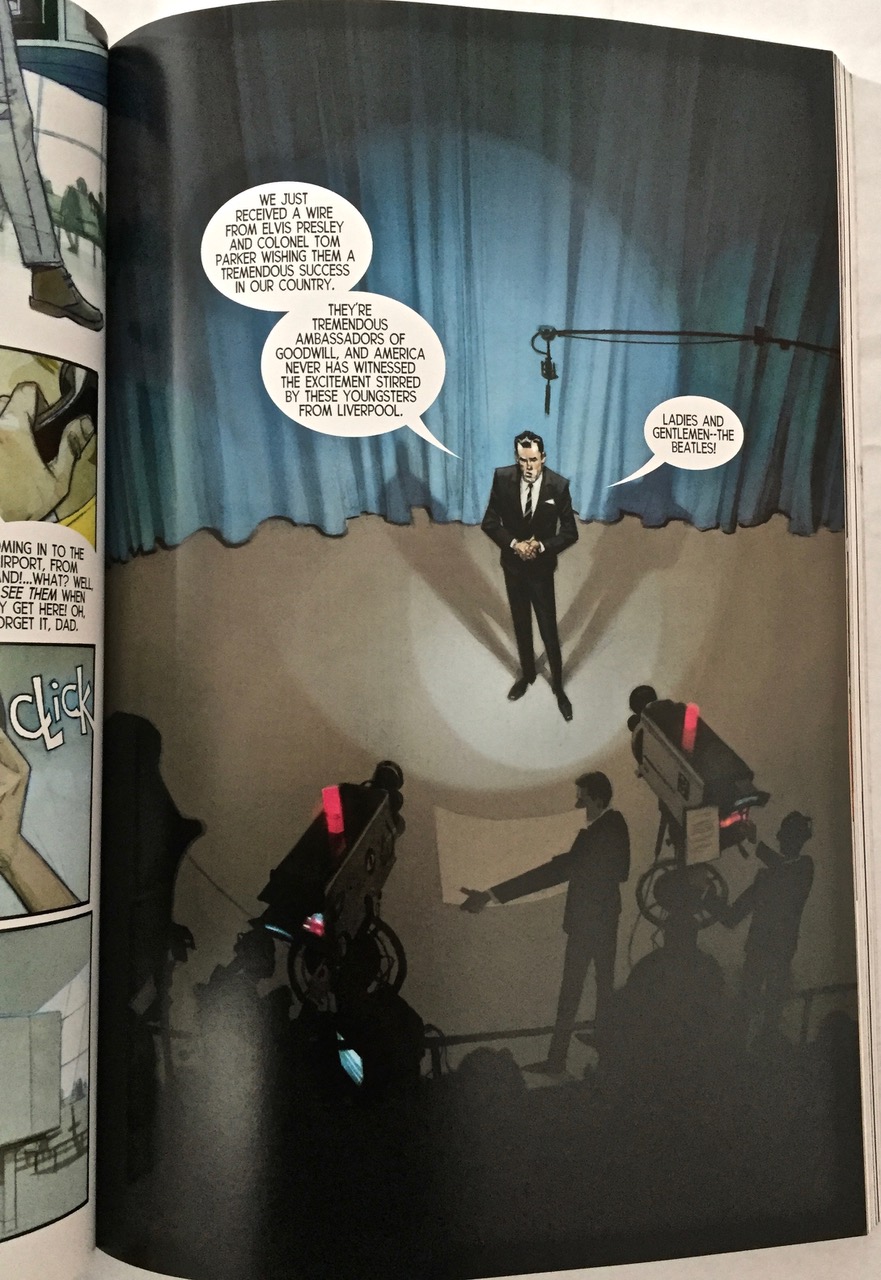
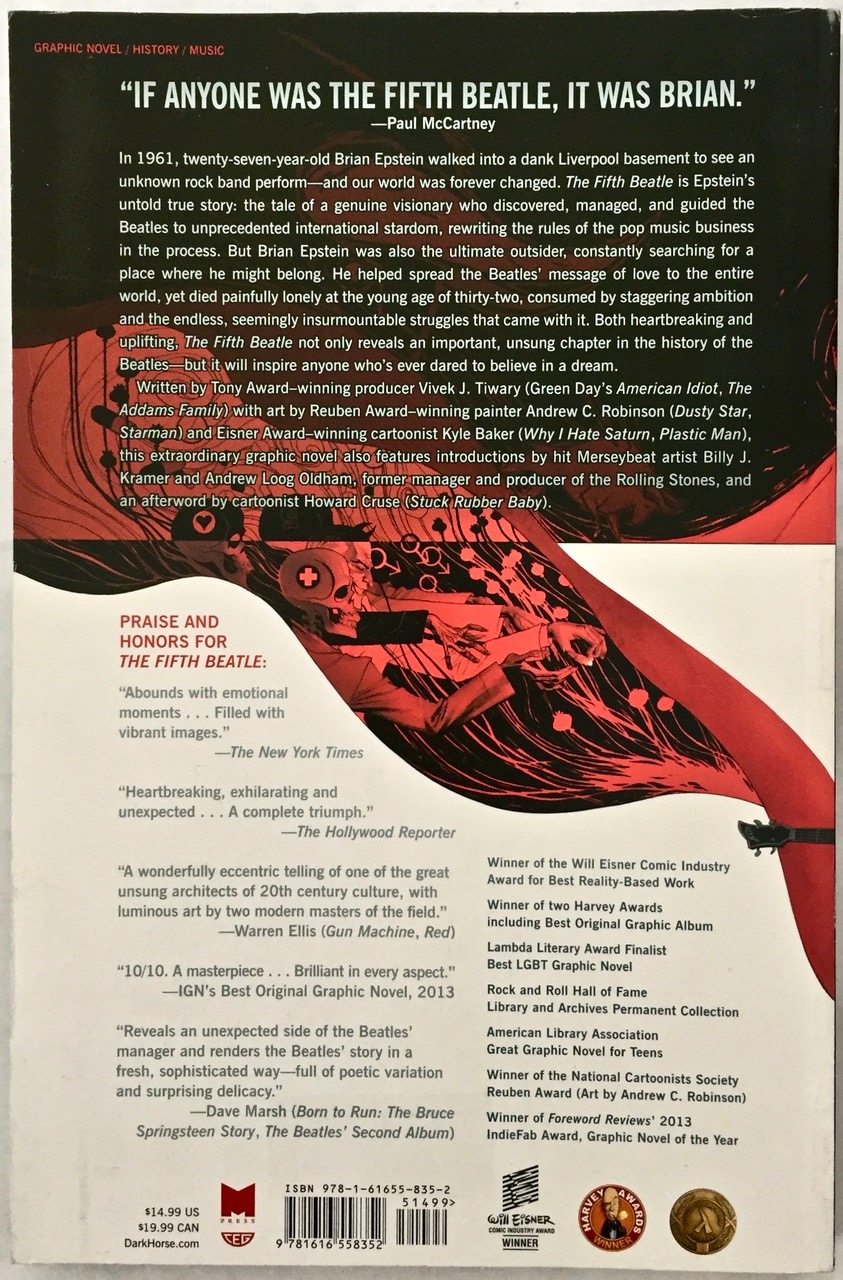
It’s The Fifth Beatle – The Brian Epstein Story, an amazing graphic novel-style book by Vivek Tiwary (with illustrations by Andrew Robinson and Kyle Baker):

We were visiting and had to go to the ubiquitous IKEA store for a few bits and pieces and called into a large shopping centre complex in the Melbourne suburb of Richmond. It’s always hard to resist the opportunity to stop by local bookshops too, and when we spied one in this complex (it was part of the Dymocks national chain) we ducked inside and headed straight to the “Music” section.

Now, The Fifth Beatle isn’t exactly a common book, especially in the wilds of Richmond, and even more so to be stocked by a large national chain of bookstores. You’d be more likely find something like this (maybe) in an independent or specialty store – but there it was on the shelf.

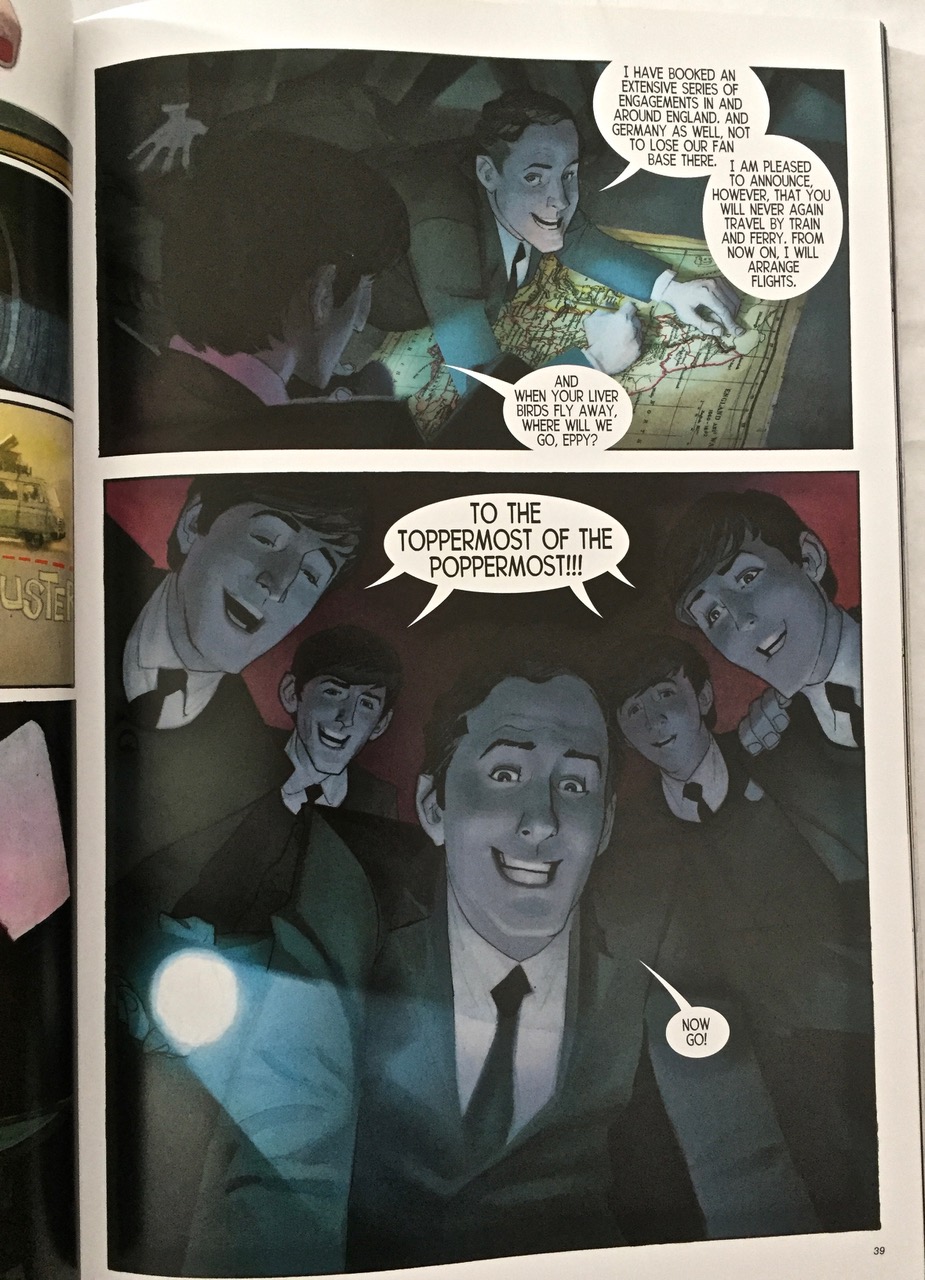
(Click on images for larger versions)

As you can see above, this is a very clever telling of the story of the rise of The Beatles, under the direction and tutelage of their clever, ambitious, talented and visionary manager, Brian Epstein. The Fifth Beatle reveals a man who took his charges to the very top of the world and attained what could be regarded as the ultimate in success, but who died painfully young – and tragically alone.

Written in 2013 and originally published in that same year, there have been a number of iterations of the book in the ensuing years. This is the 2016 softcover edition with an expanded sketchbook detailing the development of the project and a Beatles memorabilia section at the rear.

This site has a “Look Inside” feature if you’d like to see more of the story and the sophisticated, often elegant artwork. The official site also has a preview function available.

The Fifth Beatle has been in (and back out) of production for the big screen on more than one occasion. The latest news is that a deal has been cut with Bravo for a TV series based on the book. Let’s wait and see what happens.

This is a book we’d been keen on owning for some time and if you don’t have a copy it is well worth seeking out. It’s great to have it as part of the collection.

Some Sgt. Pepper’s Holiday Listening

With the holidays upon us, and to celebrate the release of the 2017 remix of Sgt. Pepper’s Lonely Hearts Club Band (on 180 gram vinyl) in single LP form – plus the Sgt. Pepper vinyl picture disc, here are a couple of Pepper-related items for your listening pleasure.

They all come from the Australian Radio National program, The Music Show – hosted by Andrew Ford.

For the 50th anniversary of Sgt. Pepper earlier this year The Music Show spoke to singer Barb Junger (whom you’ll hear has a record of Beatle covers out) and writer Joyce Morgan about their memories of first hearing the album back when it was first released in the Summer of Love:

The Music Show also spoke to Beatle biographer extraordinaire, Mark Lewisohn:

The program’s final Pepper installment came from Joanne Petersen, Brian Epstein’s personal assistant. Petersen, who now lives in Australia, recalls the time she heard a test pressing of Sgt. Pepper’s; details some of the launch activities (including John Lennon’s psychedelic Rolls Royce); and George Harrison refusing to cuddle British DJ Kenny Everett:

Their Pepper special also came with a special bonus. It’s a link to a fantastic mini documentary on the background to the people (and horses!) mentioned in the poster John Lennon used to inspire his song, ‘Being for the Benefit of Mr Kite’. And, believe it or not, there’s another Australian connection:

All audio is ex ABC Radio National. Visit The Music Show website for more of their great programs.