A recent trip to Melbourne (capital city of the Australian state of Victoria) turned up some more Beatle-related treasure in the form of some nice vinyl singles. (Click here for the results of our previous visit).
Some of these titles we already had, but in pressings from different countries. The others definitely fill some gaps in the collection. As always, click on the images below to see larger versions.
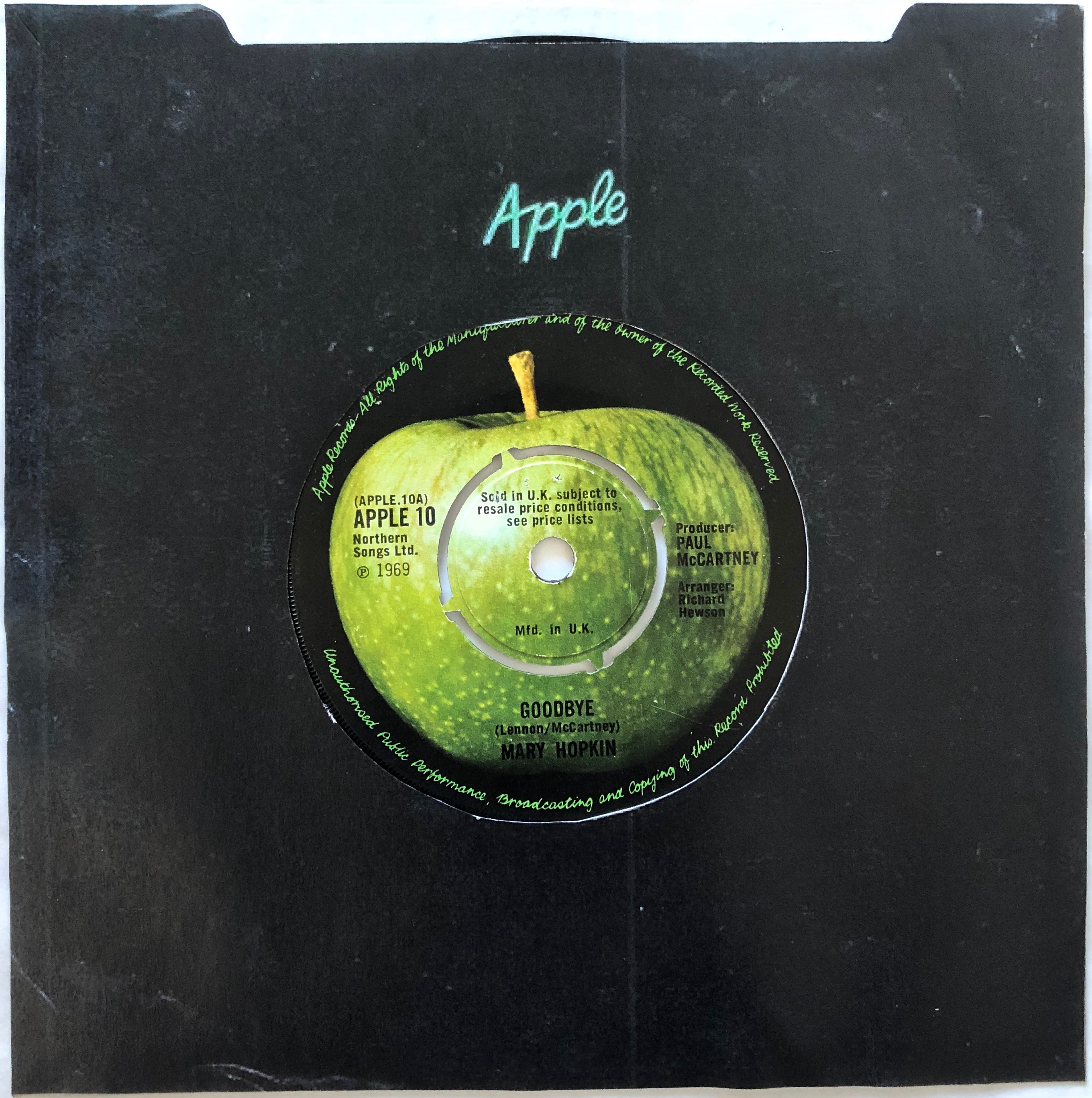
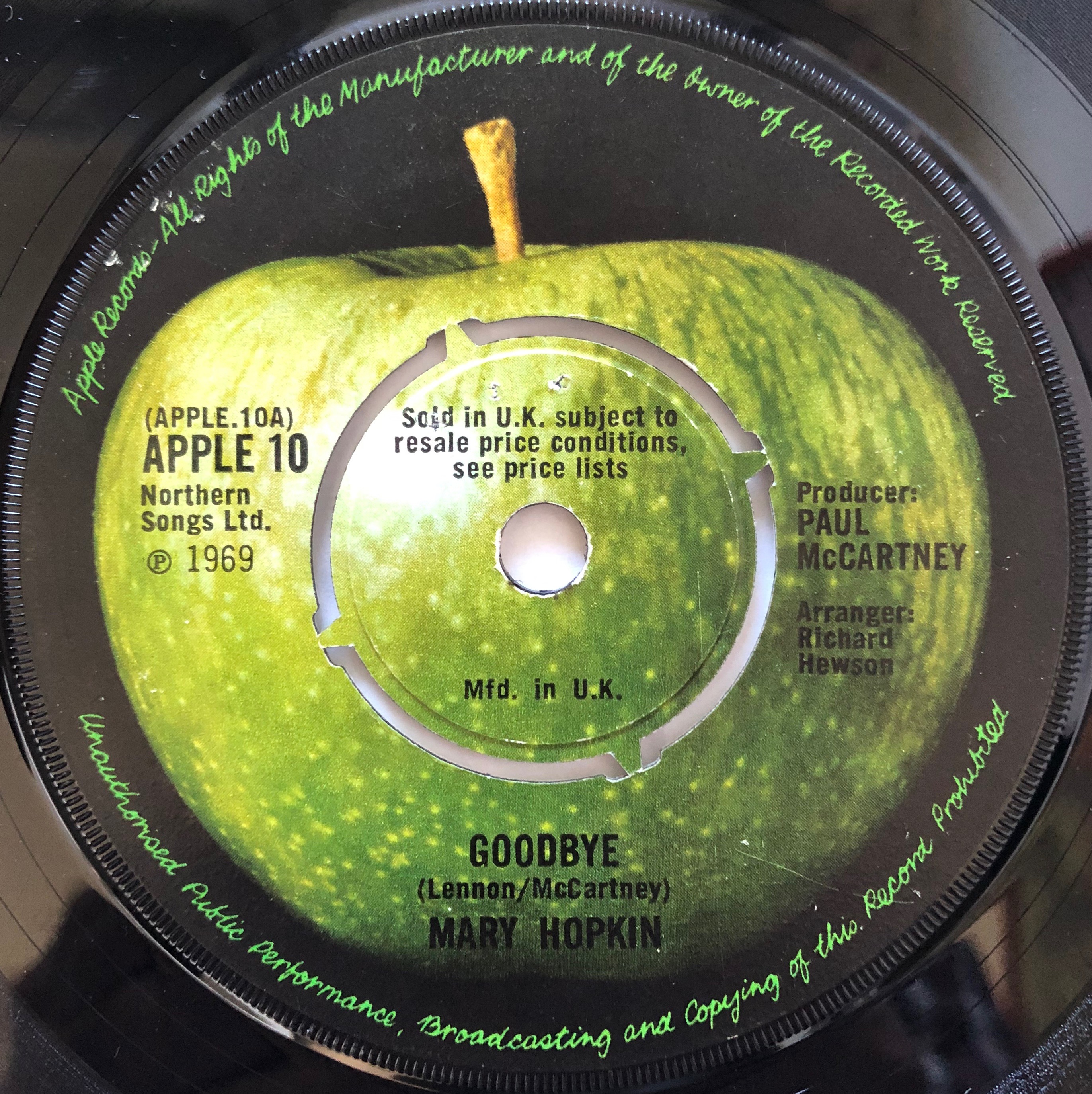
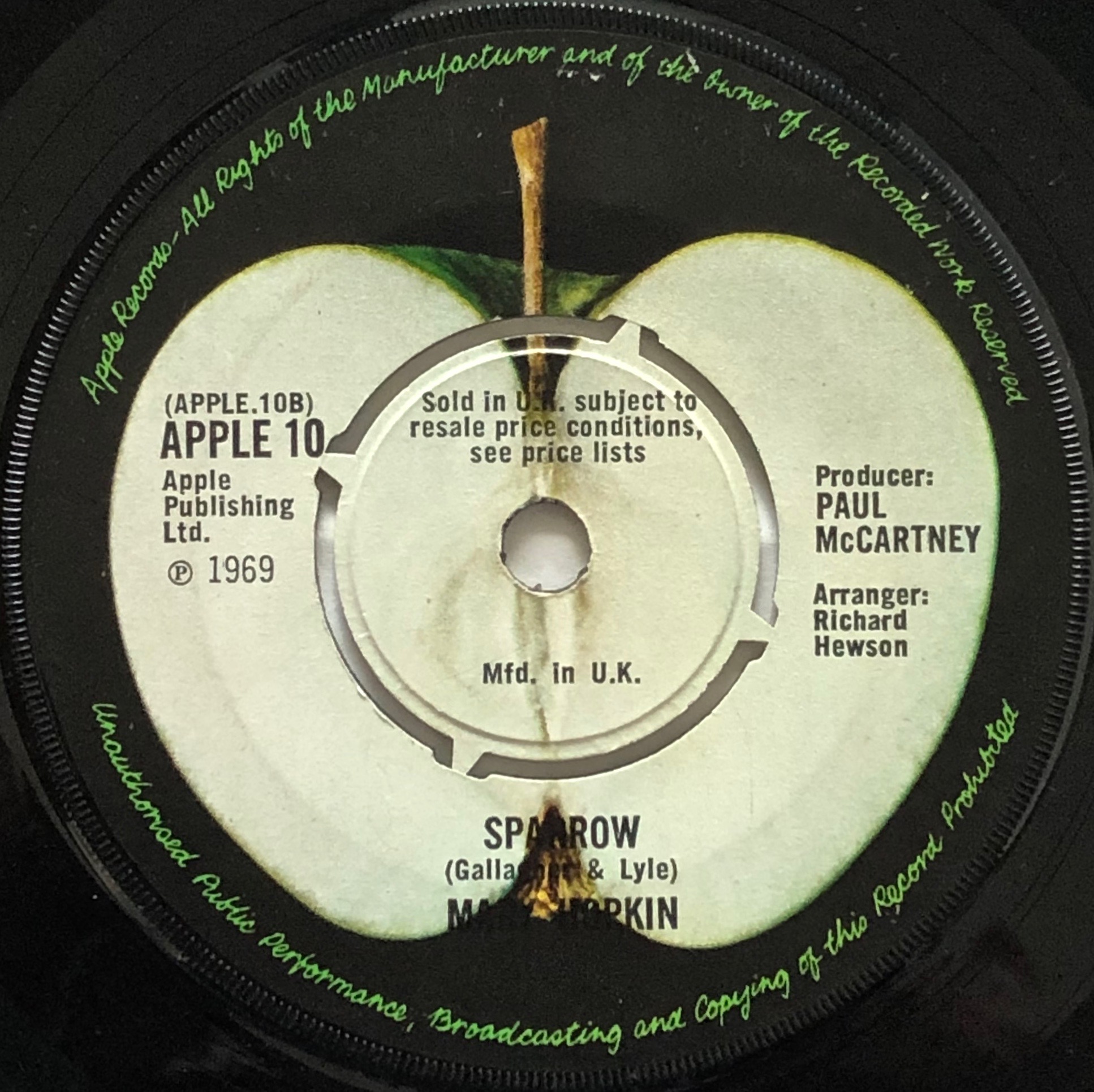
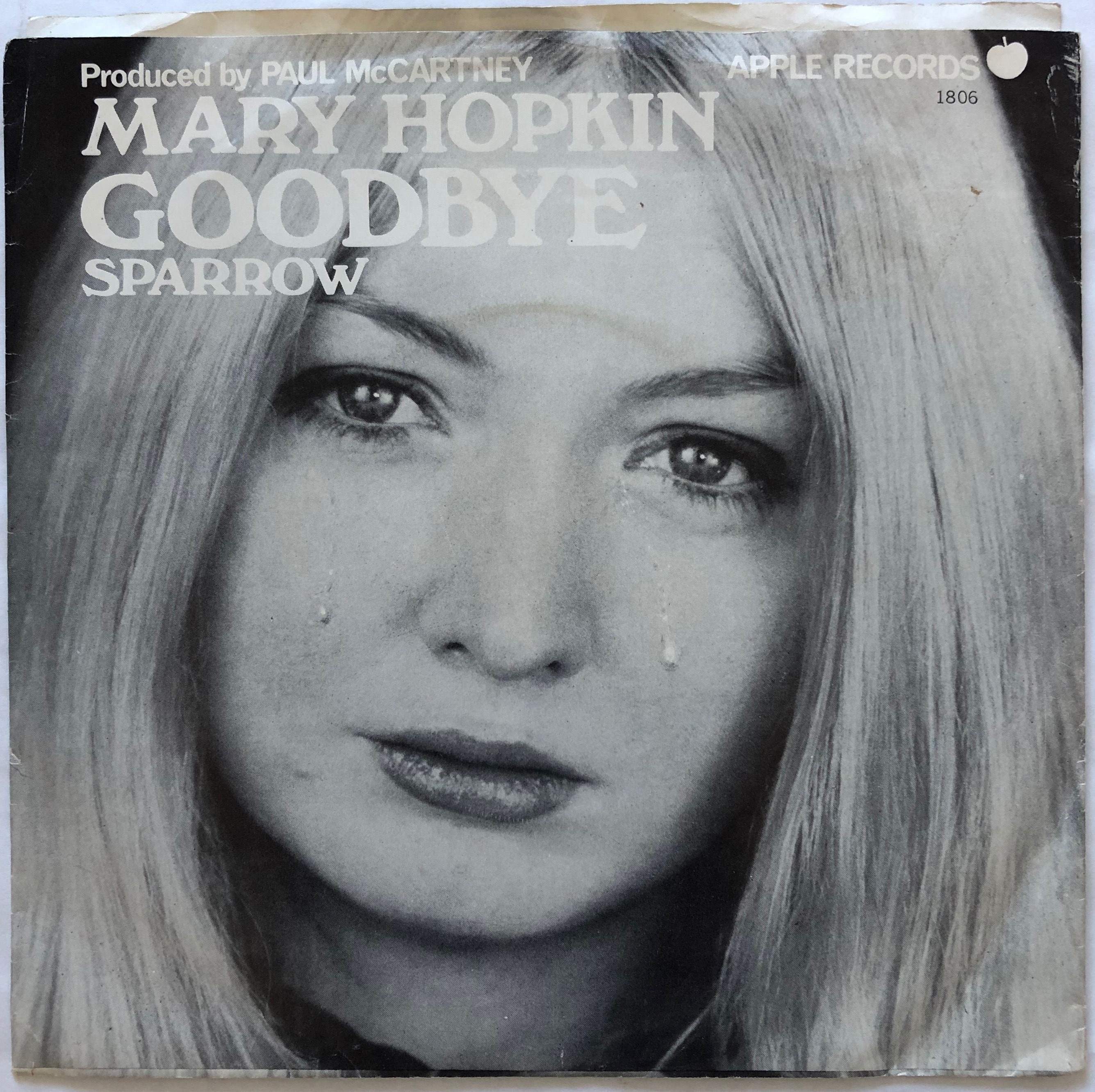
The first two we found were at a flea market – and going very cheaply. Mary Hopkin’s ‘Goodbye’ was produced by Paul McCartney and released in 1969. This one is the UK release:
We already had two other versions of this. The US release – in a picture sleeve:
And the Australian pressing, with two different label variations. One with a Northern Songs publishing credit stamp, and one without:
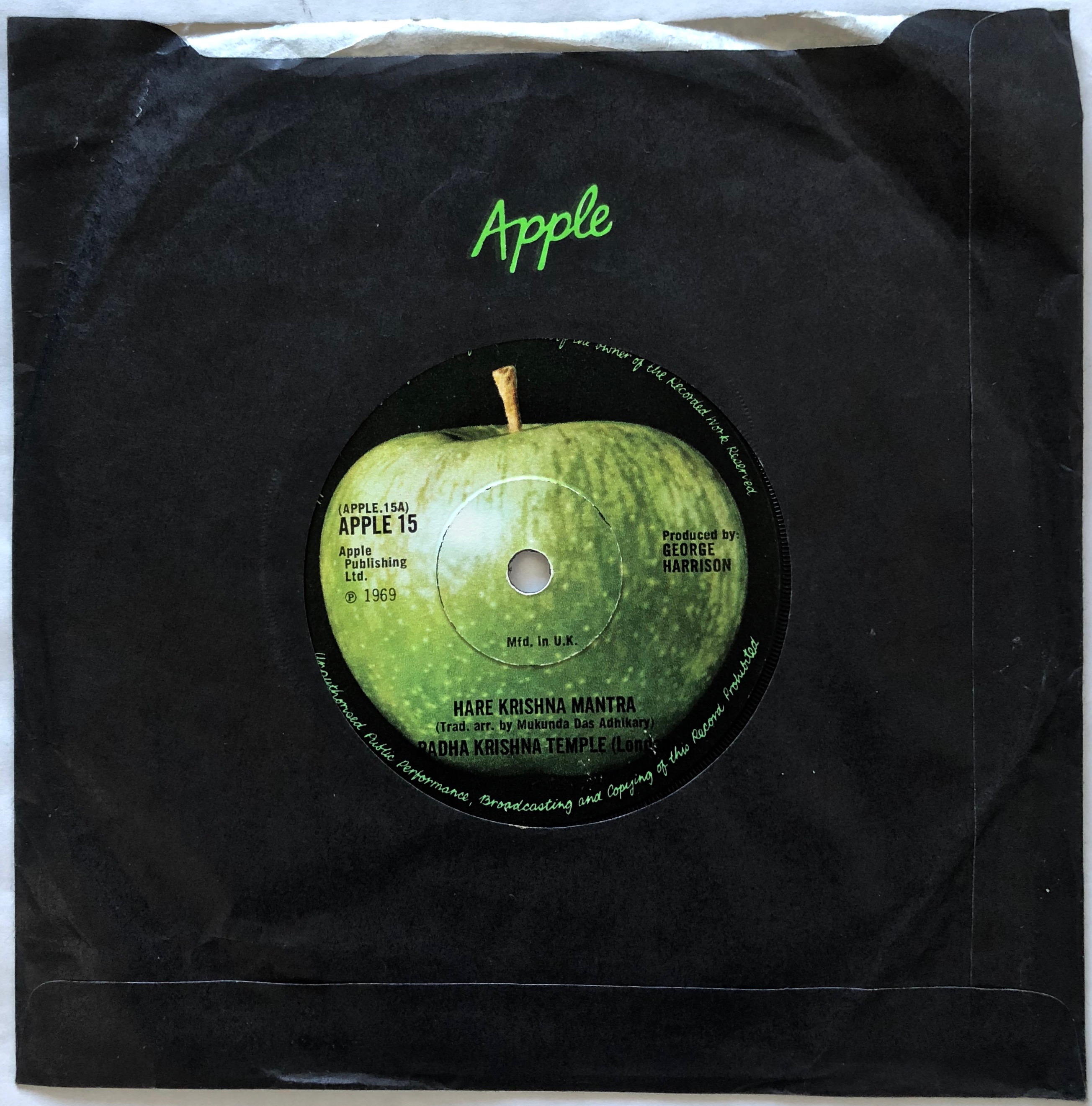
The other find at the flea market was also a UK pressing – of the Radha Krishna Temple’s ‘Hare Krishna Mantra’, also from 1969:
The pressing we already had of this is probably more rare. It’s the Australian pressing, also nice to have:
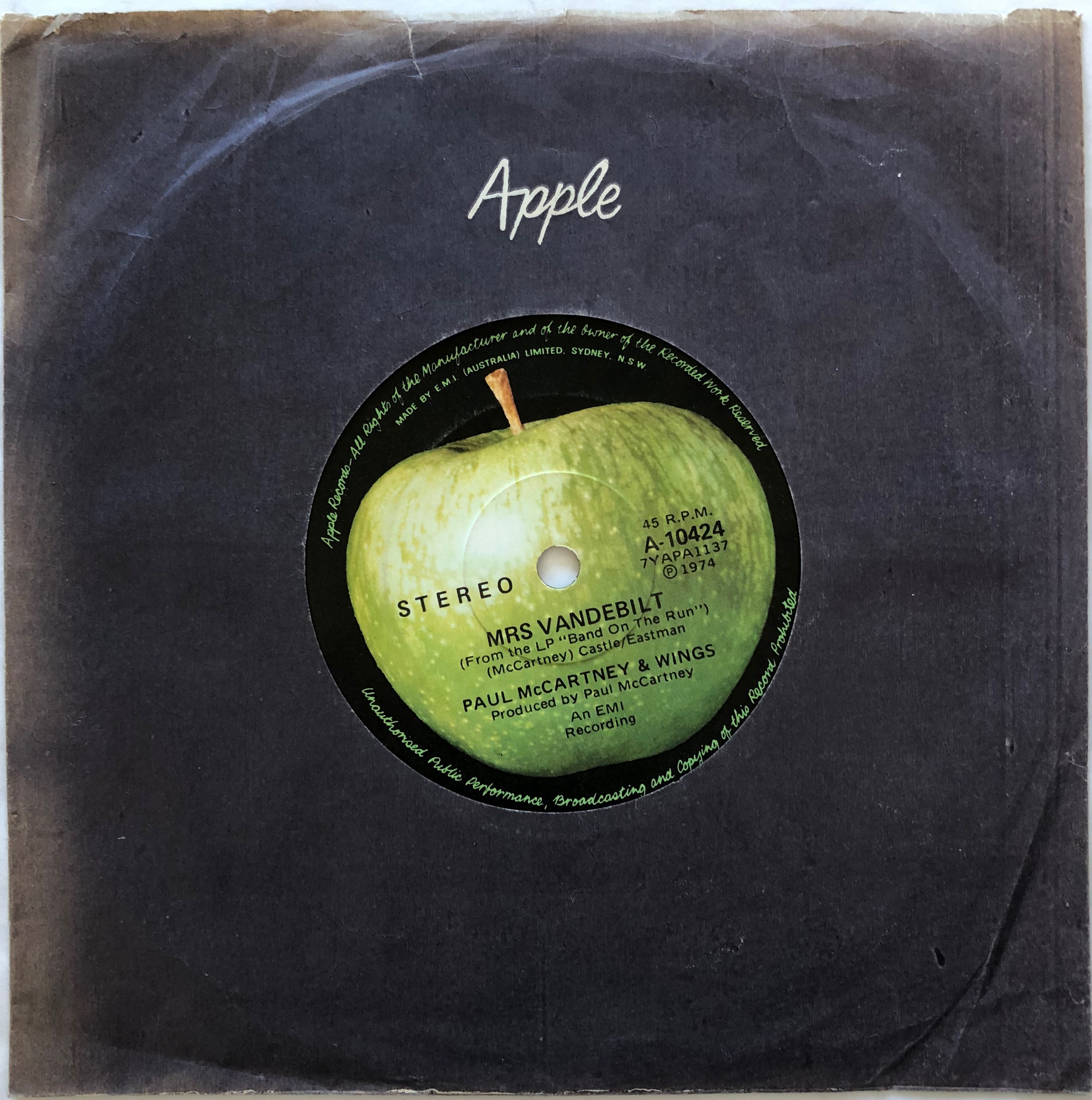
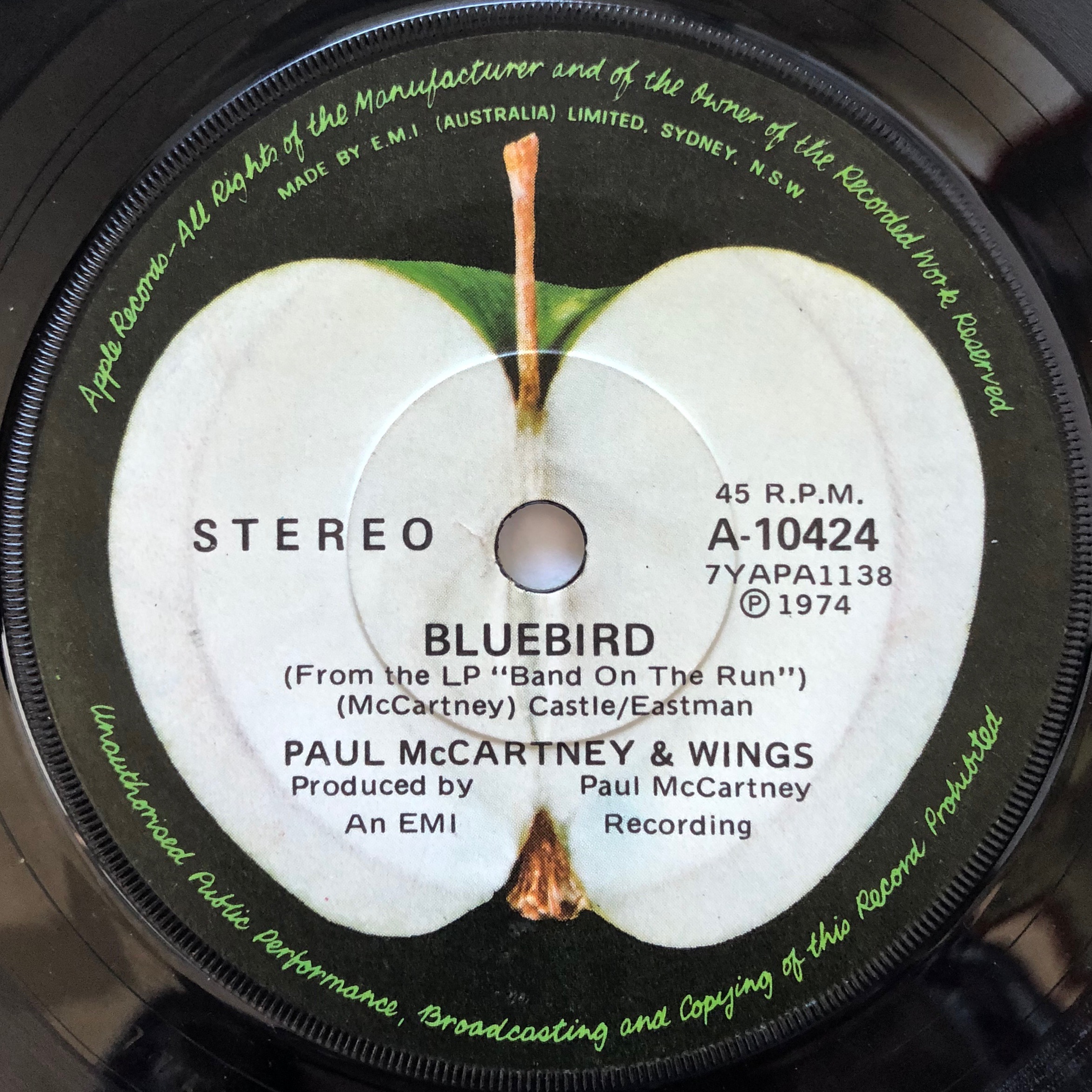
After the flea market we headed over to one of our favourite second-hand record haunts, Licorice Pie Records. As usual they had a good selection of used Beatle and Apple artist 45’s. Like this one, an Australian pressing of Paul McCartney and Wings from 1974 with ‘Mrs Vandebilt’:
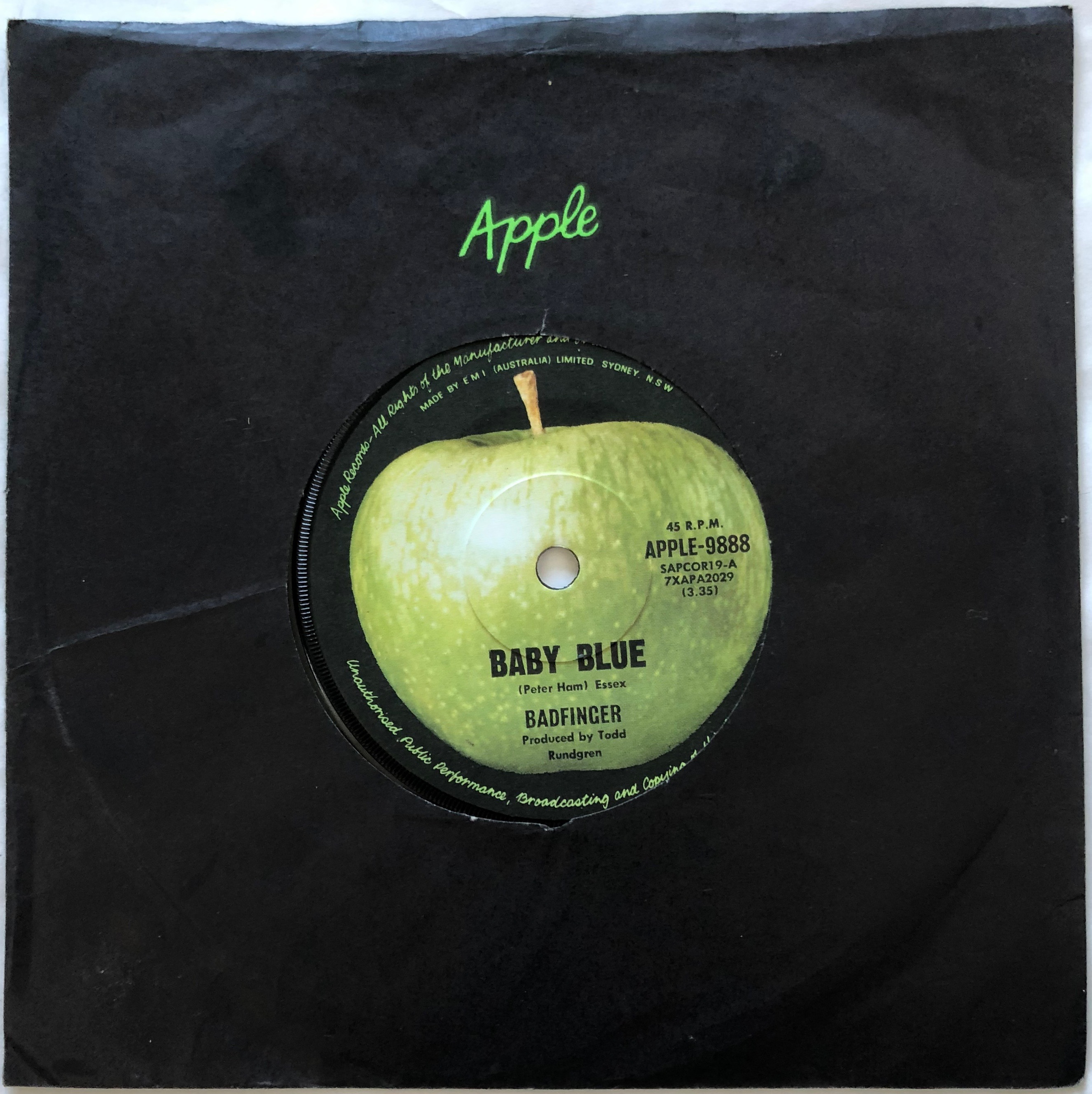
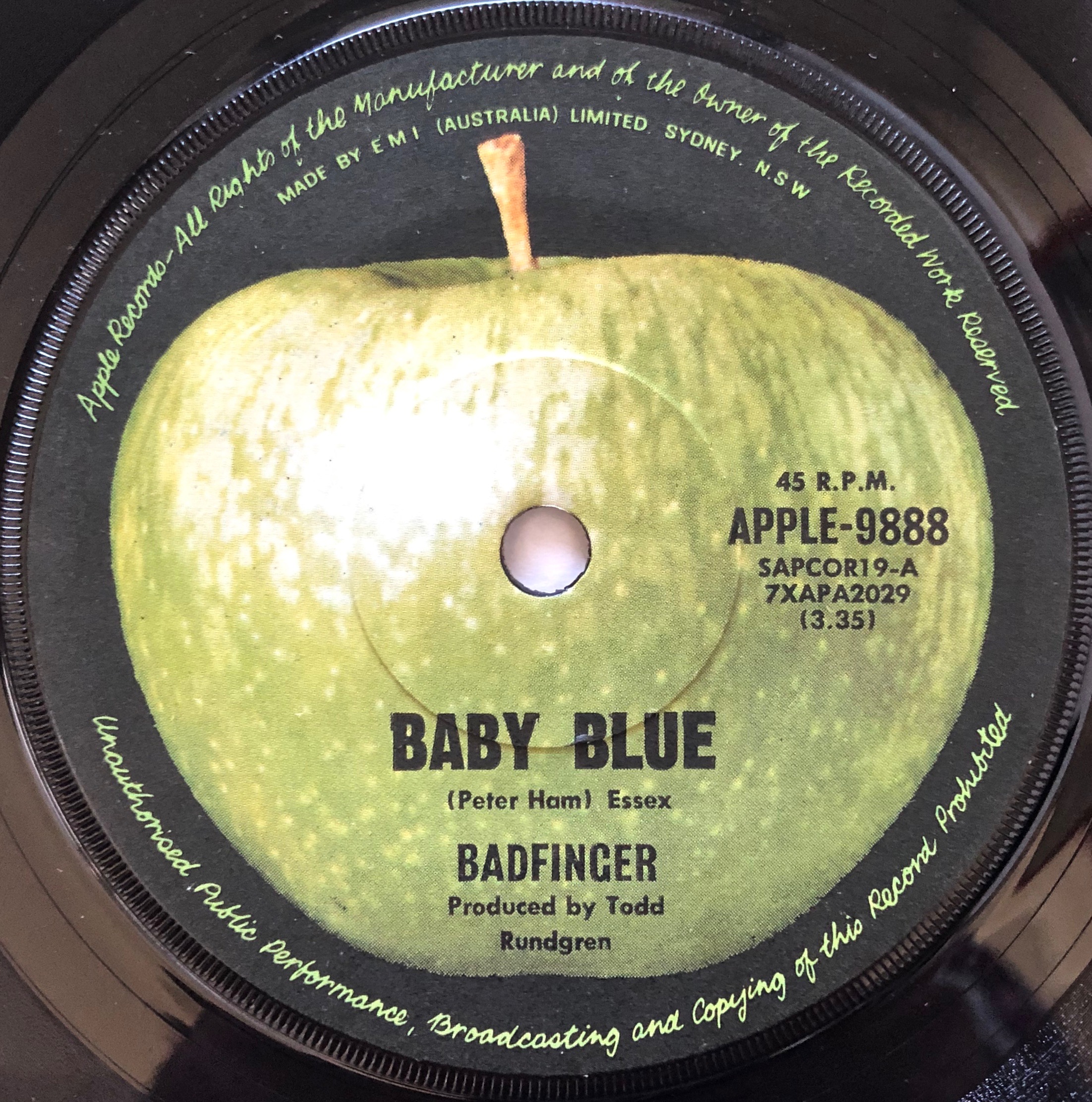
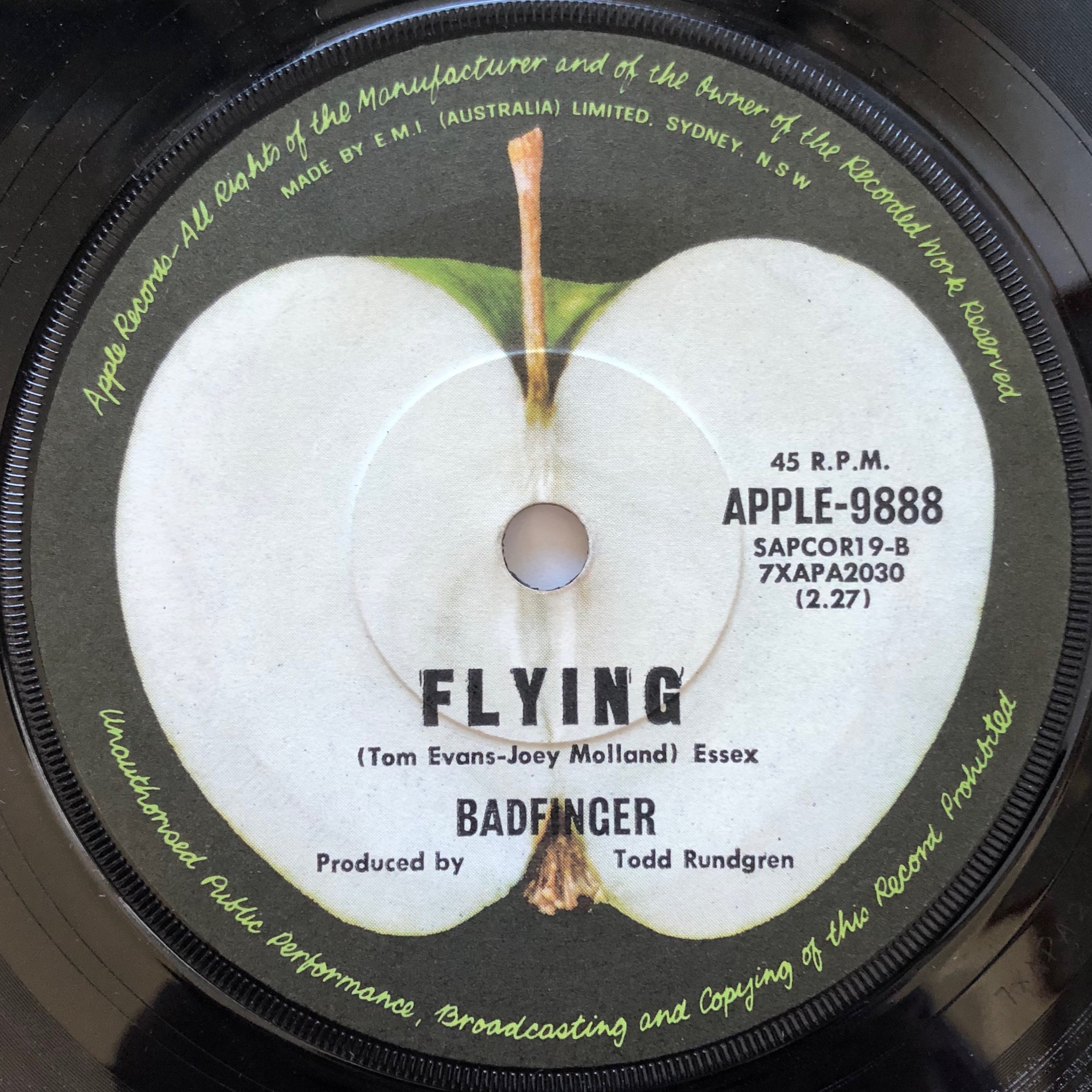
Despite years of collecting, this single was not in the collection – so it was a good find. As was this next one – Badfinger and ‘Baby Blue’ (again an Australian pressing):
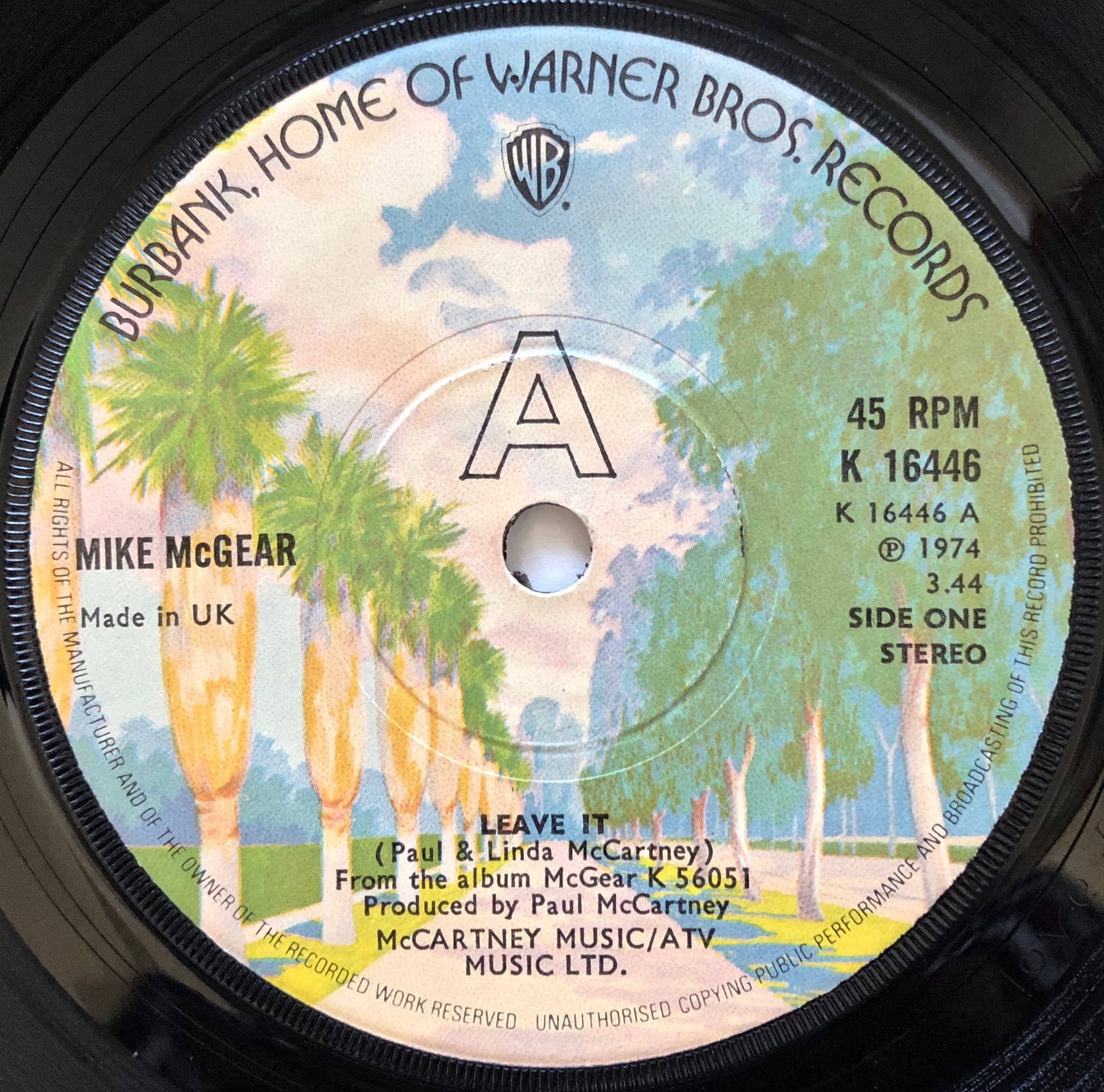
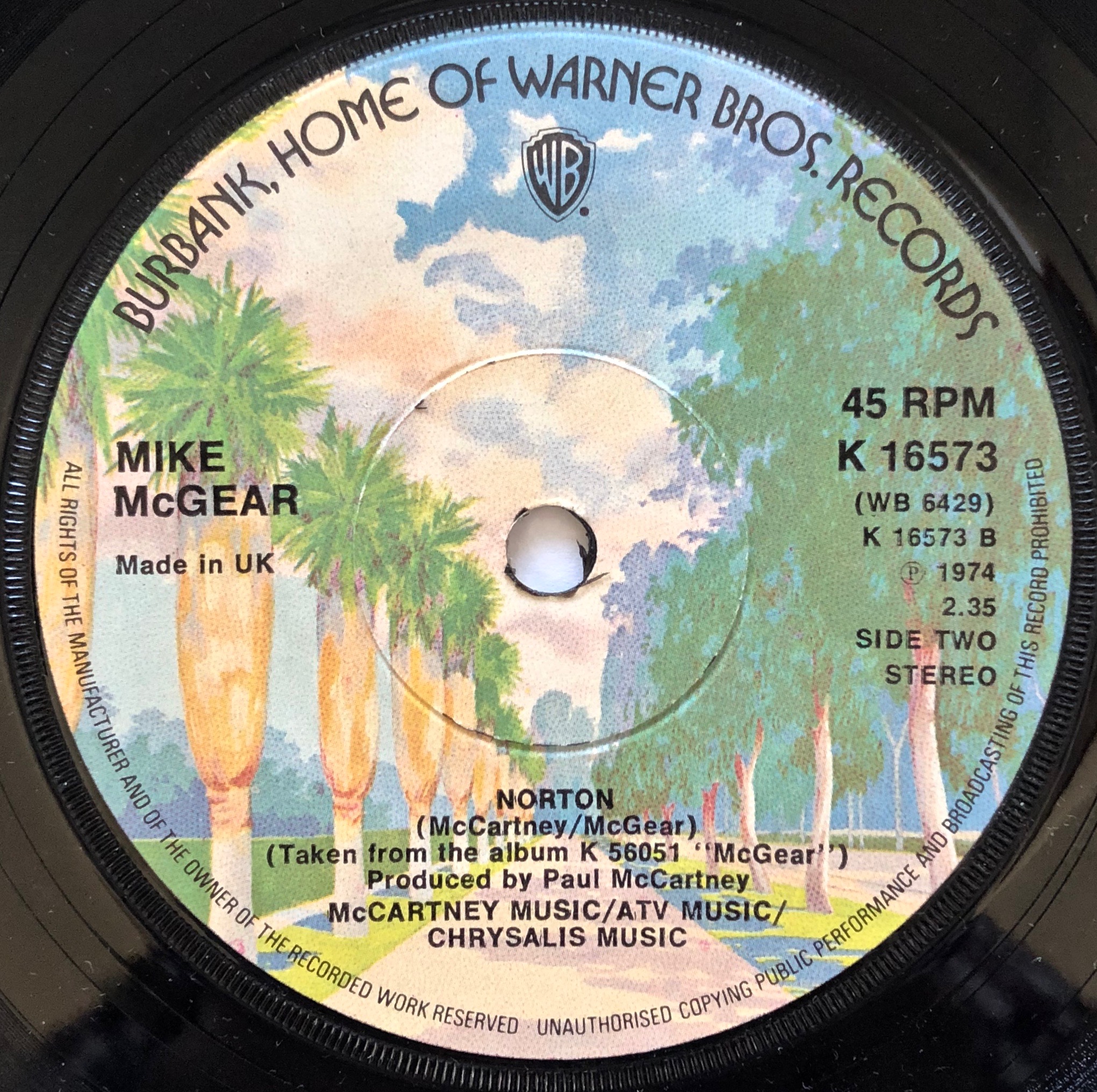
Paul McCartney’s brother Mike McGear released an album in 1974 simply called McGear. On it he had a lot of help (and songs) from his older sibling and members of his brother’s band, Wings. The McGear album is set to be reissued on June 28 on 180 gram vinyl and on a CD + DVD set (with lots of rarities included). The original album saw this single issued with a non-album track on the flip side: Note the McCartney producing credit and the Paul and Linda writing credits on both songs.
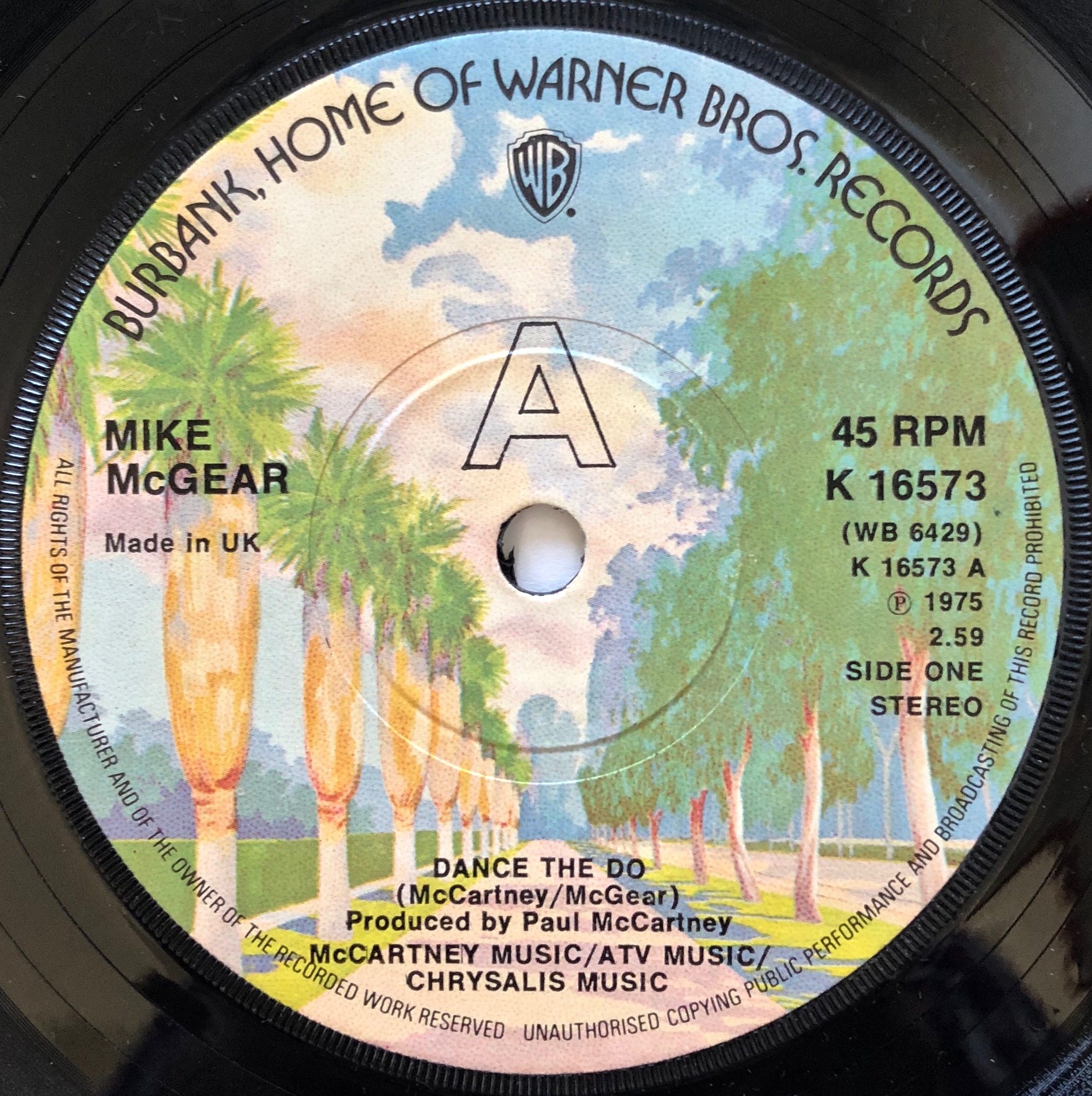
The next year, Warner Brothers issued another single, only this time the non-album track (‘Dance the Do’) was the A-side, while the B-side was taken from the McGear LP:
So, all in all a successful trip. Next post we’ll detail the LPs we found.
Our copy of the John and YokoWedding Album arrived today – but if there’s anyone who is entitled to do an unboxing video of the box set contents, it’s this guy:
Back in 2014 the ABC (the Australian Broadcasting Corporation) began hosting an ongoing series celebrating the 50th anniversary release of each British Beatle LP.
As each album marks its anniversary ABC Radio presenter Rod Quinn speaks to US John Lennon biographer and Beatle expert Jude Southerland Kessler. Jude is the author of the extraordinary (and ambitious!) nine-volume John Lennon narrative biography. The latest instalment in Jude’s amazing series was released late last year – Volume 4: Should Have Known Better (to see the details scroll down after clicking).
Well, after a bit of a break, the pair are back. In October last year they took a look back at both sides of the original Yellow Submarine album:
Then came the big one, The Beatles (or The White Album) 50th Anniversary. It took Jude and host Rod Quinn some time to work through all four sides of the legendary album on air, but they’ve put the results together in one, long podcast:
They also talked through highlights of The Esher Demos bonus disc that came with 50th Anniversary release of The White Album last year:
Each of these podcasts are very insightful – and really are well worth a listen.
Universal Music and the organisers of Record Store Day have announced that John Lennon’s Imagine [Raw Studio Mixes] will be released as a Limited Edition on heavyweight 180-gram black vinyl for Record Store Day 2019:
“These mixes capture the exact moment John and The Plastic Ono Band recorded each song raw and live on the soundstage located at the center of Ascot Sound Studios at John & Yoko’s home in Tittenhurst. The tracks are devoid of effects (reverb, tape delays, etc.) offering a unique, unparalleled insight & an alternate take on the record. These mixes have been pressed in the original album sequence appearing for the first time on vinyl.”
Side A
• Imagine – Take 10 / Raw Studio Mix
• Crippled Inside – Take 6 / Raw Studio Mix
• Jealous Guy – Take 29 / Raw Studio Mix
• It’s So Hard – Take 11 / Raw Studio Mix
• I Don’t Wanna Be A Soldier, Mama – Take 4 / Raw Studio Mix
Side B
• Gimme Some Truth – Take 4 / Extended / Raw Studio Mix
• Oh My Love – Take 20 / Raw Studio Mix
• How Do You Sleep? – Take 11 / Raw Studio Mix
• How? – Take 40 / Raw Studio Mix
• Oh Yoko! – Take 1 / Raw Studio Mix
The official Record Store Day release list is a little confusing as it lists this as a 2xLP package, but in other places it is referenced as definitely just one disc. There will be 5,500 copies made available worldwide.
Rob Stevens, who worked on the Raw Studio Mixes for the John LennonImagine: The Ultimate Collection box set from last year says:
“The Raw Studio Mixes are the basic track performances of the musicians playing together in the same rather cramped room….There are no effects placed on the instruments or vocal, e.g. chamber reverb and tape slap for example. Just a bit of EQ and compression when the nature of a particular track warranted it.
John was notorious for wanting his voice bathed in both, and mixed as part of, rather than above the track, so at times you had to really focus your ears and mind to hear his nuances and lyrics clearly.
In the Raw Studio Mixes, there is none of that. John is front and center – clear, unadulterated, live and raw.
Whereas Double Fantasy Stripped Down does have some production enhancements and overdubs, The Imagine Raw Studio Mixes are completely raw and unadorned – they capture the sessions before the gloss was added. The unique challenge in mixing the songs with Yoko was to balance the instruments in a way that fused them into a whole while keeping each individual performance clear, but without the benefit of reverb and effects to do so.”
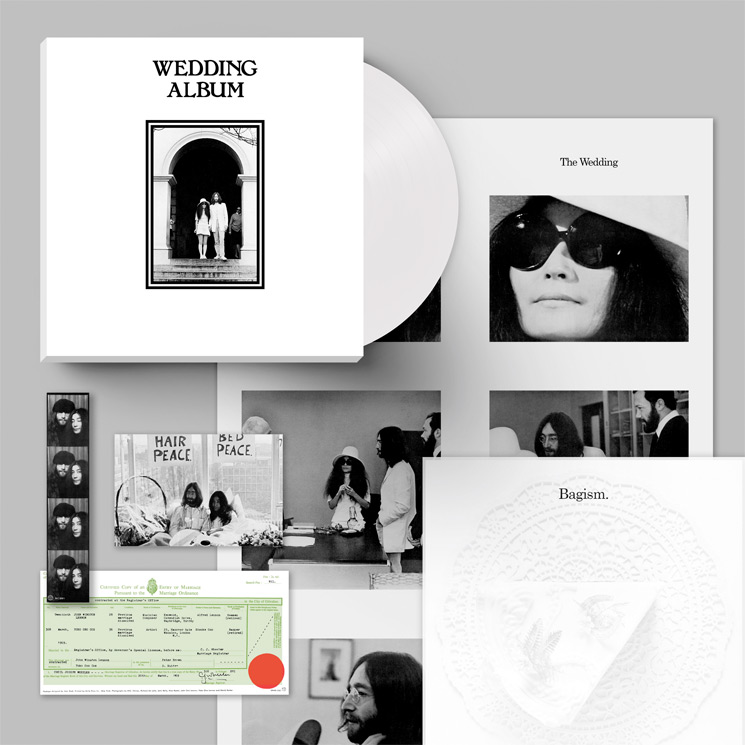
On her 86th birthday Yoko Ono has announced that the next installment in her lengthy album re-issue project will be the often-maligned John Lennon/Yoko OnoUnfinished Music No.3:Wedding Album from 1969.
The release date of March 22, 2019 will be two days after the 50th anniversary of the couple getting married in Gibraltar, near Spain (see “The Ballad of John and Yoko”):
The new box set (issued via Secretly Canadian and Chimera Music) will re-create the original, which in typical fashion was well ahead of its time in offering a plethora of extras along with the album inside. It was a white box filled with souvenirs of John and Yoko’s nuptials: photographs; a replica of their marriage certificate; their own drawings of the wedding and famous Bed-in honeymoon/peace event which followed; a picture of a slice of wedding cake; more sets of photos; and a booklet of press clippings about the couple.
The box and it’s contents were created by graphic designer John Kosh who is probably better known for his work with The Beatles (he did the cover of Abbey Road, and the lavish box and book that accompanied early editions of Let It Be).The ongoing Yoko Ono Reissue Project was launched in 2016. It aims to remaster and reissue all eleven of Ono’s studio recordings between the years 1968 and 1985. Each will painstakingly reconstruct the original vinyl packaging. There have been six releases to date: Unfinished Music No. 1: Two Virgins (1968, with John Lennon); Unfinished Music No. 2: Life With the Lions (1969, with John Lennon); Yoko Ono/Plastic Ono Band (1970); Fly (1971); Approximately Infinite Universe(1973); and Feeling the Space (1973). Still to come are Season of Glass (1981); It’s Alright (I See Rainbows) (1982); Starpeace (1985); and A Story (1997, but recorded in 1974).
The Wedding Album is available on white vinyl, on CD, and as digital download, and there are a very limited number (300 copies) being made available on clear vinyl exclusively through the British record store chain, Rough Trade Records.
Imagine you woke up one day and there were no Beatles.
No one you speak to has ever heard of them, and there are no references to the band or their songs online, in music stores, libraries, or anywhere. But….you can remember them clearly, and you know how to play their songs.
That’s the premise of an interesting new comedy movie coming out later this year called Yesterday. It comes from Danny Boyle (who directed Slum Dog Millionaire and Trainspotting), and Richard Curtis (the writer of Four Weddings and a Funeral and Love Actually).
Jack (played by Himesh Patel) is a struggling singer-songwriter who dreams of making it big, but his career is going nowhere. His biggest supporter is his best friend, Ellie (Lily James). Then, something mysterious happens. During some sort of global electrical blackout, Jack gets hit by a bus and wakes up to discover that The Beatles have never existed. Only thing is, he remembers them clearly, starts to perform their songs, and from there things really start to get interesting….
Yesterday looks like it will be real fun for Beatle fans. It is due in movie theatres on June 28.
EGYPT STATION – TRAVELLER’S EDITION BOX SET
Strictly Limited Deluxe Edition of 3,000
To Be Released 10th May
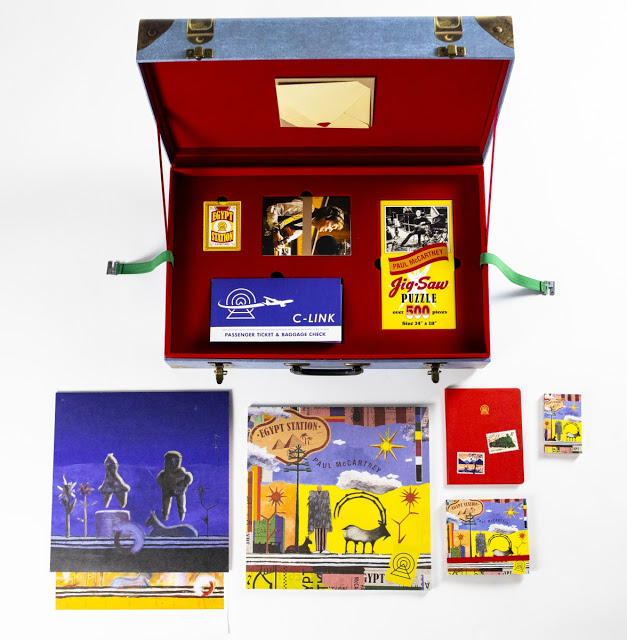
Paul has confirmed the release of the Egypt Station – Traveller’s Edition box set out 10th May via Capitol Records. This strictly limited deluxe edition of the #1 album Egypt Station will be a one-time-only pressing limited to 3,000 numbered cases. The Traveller’s Edition arrives in a vintage style suitcase and contains exclusive previously unreleased tracks, hidden rarities and all the essentials needed on your journey to Egypt Station and beyond.
Pre-order begins Friday 15th February at 6am PT / 9am ET / 2pm GMT. Due to the limited quantity of this edition, sales will be on a first come, first served basis.
Egypt Station – Traveller’s Edition contains:
Limited edition concertina tri-fold deluxe 180G black vinyl double LP of Egypt Station
Exclusive limited edition bonus 180G vinyl pressing of Egypt Station II in “Night Scene” blue cover, featuring three previously unreleased tracks — ‘Frank Sinatra’s Party’, ‘Sixty Second Street’ and extended cut of the Egypt Station single ‘Who Cares’ — as well as four live performances of Egypt Station tracks taken from Abbey Road Studios, The Cavern Club, LIPA and Paul’s iconic performance at Grand Central Station
Limited edition Egypt Station concertina CD
Exclusive limited edition collector’s Egypt Station Blue Cassette
HD audio of all tracks upon shipment
Additional rare performance footage hidden inside
Special Features:
Luxury vintage-style embossed Egypt Station artwork suitcase
An exclusive copy of a handwritten note from Paul
Fold out, vintage-style Egypt Station illustrated map suitable for framing
Travel memorabilia including “travel itinerary”, postcards, baggage tickets and first class ticket
Egypt Station luggage stickers
Travel journal featuring copies of Paul’s handwritten lyrics
Two Egypt Station lithographs of Paul’s paintings
500+ piece jigsaw puzzle
Egypt Station playing cards
And additional hidden surprises and rarities…
No word on price yet, but expect around £315, €350 or US$360. The Daily Beatle site is saying that on May 17 the additional audio content will be released separately in a cheaper package, without all the goodies.
There is a short “unboxing” style video doing the rounds on social media:
Paul has confirmed the release of the 'Egypt Station – Traveller’s Edition' box set out 10th May. This strictly limited deluxe edition of the #1 album #EgyptStation will be a one-time-only pressing limited to 3,000 numbered cases. PRE-ORDER INFO: https://t.co/4UICqbVuvHpic.twitter.com/Cj8NZWzfWG
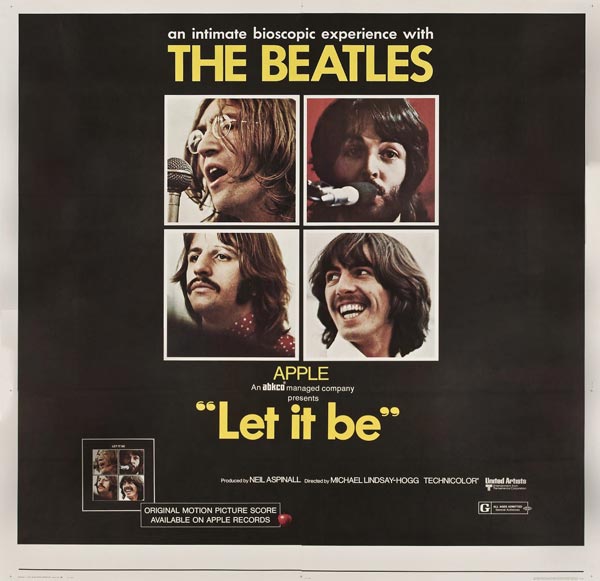
Of course you’ll have heard by now that the multi-award winning film maker Peter Jackson has been selected by to re-cut the hours of Let It Be footage and audio from the winter of 1969 into an entirely new film.
We’ve been letting that huge news from last week sink in and percolate a bit – and have come to the conclusion that it’s a stroke of genius by the remaining Beatles and their Apple company.
We all know that the original Let It Be film has been languishing in the vaults for years, with seemingly no chance of unanimous agreement amongst the four-headed monster that controls these things (Paul McCartney, Ringo Starr, Yoko Ono and Olivia Harrison) that a re-issue – on its own – would ever get the green light.
But giving all the footage (over 55 hours of never-before-seen film and 140 hours of audio) to the Oscar-winning Jackson is something of a masterstroke.
First and foremost is the fact that Peter Jackson (who made the Lord of the Rings and Hobbit movies) is a mad keen Beatle fan, and has been for decades.
Secondly, his most recent project – the documentary film They Shall Not Grow Old – has seen he and his team at Park Road Post in Wellington, New Zealand, work wonders with the restoration and colorization of old photos and never-before-seen footage from World War I. The film was made to commemorate the centennial of the end of the war.
If you want proof of what they can do with footage and images from one hundred years ago just take a look at the trailer for They Shall Not Grow Old. It is breathtaking:
The services at Park Road Post include: restoration from scanned film – scratch and splice fixes, de-noise, image sharpening, stabilizing, re-speeding and re-timing; grading – black and white and final colour grading of specialised colour created footage; and dialogue recording, Foley, and pre and final sound mixing and mastering. So they are very capable experts in their field.
As to the legend that The Beatles’ time together during the filming of Let It Be was entirely fraught and only shows a band in its final death throes, Jackson – who has seen all the footage – begs to differ: “I was relieved to discover the reality is very different to the myth. After reviewing all the footage and audio that Michael Lindsay-Hogg shot 18 months before they broke up, it’s simply an amazing historical treasure-trove. Sure, there’s moments of drama – but none of the discord this project has long been associated with. Watching John, Paul, George, and Ringo work together, creating now-classic songs from scratch, is not only fascinating – it’s funny, uplifting and surprisingly intimate. I’m thrilled and honoured to have been entrusted with this remarkable footage – making the movie will be a sheer joy.”
This all points to what should be something very special being produced.
As to fans who were worried that the new film would take the place of the original Let It Be, that it would forever consigned to the Apple dustbin, well that seems not to be the case. A restored version of director Michael Lindsay-Hogg’s theatrical release is set to finally get its belated digital release “following the release of this new film”, according to Apple’s official announcement.
And, it’s kind of ironic that The Beatles once tried to obtain the film rights to The Lord of the Rings…..
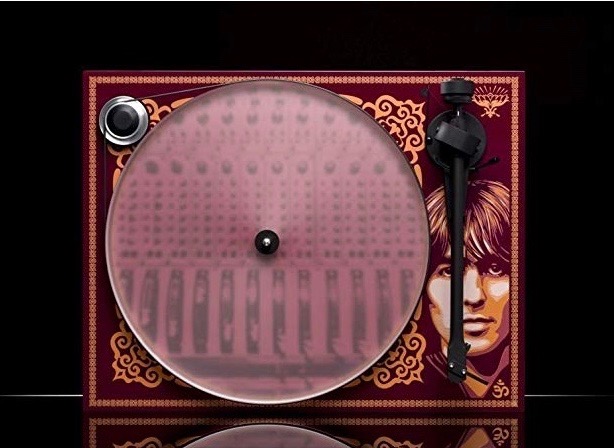
There’s another Beatle-themed turntable out there:
Turntable manufacturer Pro-Ject Audio Systems, in association with Universal Music, has launched a BeatlesWhite Album model to help celebrate the 50th anniversary of the release of the legendary recording.
The BeatlesWhite Album turntable is limited to 500 pieces worldwide. It looks to have a limited edition number stamped on it, just like the original LP covers did back in 1968, but it’s not clear if these are individual or not:The Pro-Ject White Album Limited Edition is up at the higher end of Pro-Ject’s turntable offerings and retails for US$1799 (and in Australia for $2699). You can read the official press release here.
Here are two interview-based articles – one featuring Paul McCartney, the other the John LennonImagine re-issue box set from late last year. If you haven’t seen these already they are both worth a look.
The first is from GQ magazine and dates back to September, 2018 when Paul McCartney was very much in publicity mode for his then new album Egypt Station.
In it he’s quite revealing and, as the opening hype paragraph states, the article takes in some familiar ground, but traverses some very new territory too:
“He’s as famous and accomplished as a man can be. He could just stay home, relax, and count his money. But Paul McCartney is as driven as ever. Which is why he’s still making music and why he has loads of great stories you’ve never heard—about the sex life of the Beatles, how he talked John Lennon out of drilling holes in his head (really), and what actually happened when he worked with Kanye.”
One pertinent section deals with his brand new song ‘Get Enough’, which was only made public earlier this month (on New Years Day actually).
The song is right now polarizing listeners because of the heavy use of Auto-Tune as an effect on the vocal. At the time of the interview the song wasn’t yet in the public domain, but what McCartney says about it in the interview gives some valuable context now, shedding light on where he was coming from, why he recorded it, and why he released it:
“McCartney proceeds to tell me that he recently used Auto-Tune on a song—one that’s not even on his new album—and how he worried for a moment about it. “Because I know people are going to go, ‘Oh no! Paul McCartney’s on bloody Auto-Tune! What have things come to?’… At the back of my mind I’ve got Elvis Costello saying, ‘Fucking hell, Paul!'” But then he considered it some more, and what he thought was: “You know what? If we’d had this in the Beatles, we’d have been—John, particularly—would be so all over it. All his freaking records would be…”
McCartney demonstrates a version of how he’d imagine a modern-day John Lennon singing in an extreme Auto-Tune warble, and then he gets out his iPhone and plays me some of the song in question, another collaboration with Ryan Tedder, called “Get Enough”, which has an emphatically full-on Auto-Tuned McCartney vocal, plenty more than would be required to horrify any passing purists. It also sounds pretty good.”
The GQ article is accompanied by photographs of McCartney modelling some stylish and expensive menswear. It’s also associated with a lengthy YouTube video the magazine uploaded to its channel where the songwriter steps through the background to some of his best-known works, both solo and Beatle:
The second article is an interesting (if a little rough around the edges) insight into the recording of John Lennon’s classic Imagine LP – which was beautifully remixed, remastered and re-issued late last year in a number of formats. It provides fans with cleaned-up sound and a wealth of previously un-heard outtakes, demos and more.
The article comes from Rock Cellar magazine and takes the form of interviews with three of the musicians who made key contributions to the iconic recording: bass player Klaus Voormann; drummer Jim Keltner; and guitarist Joey Molland.
In contrast to the GQ offering, Rock Cellar is an online magazine operated by volunteers so the attention to detail is a bit lacking in places. They could really use a good sub-editor to lift the quality of simple things like spell-checking and grammar. But there are some really valuable recollections, insights and information here on how Imagine came together from three artists directly involved at the time:
What were the things that most impressed you about John as an artist, both professionally and personally?
Jim Keltner: Well, he was John Lennon. He always found it interesting and funny when I told him I never liked rock and roll. When he was a young guy, we were all around the same age, Ringo’s a little bit older than me, Klaus is a little bit older too — John was older than me by just a little bit. As we were coming up he was a rocker. Along with Paul and George and Ringo, he loved American blues and rock more than anything, it affected their lives big time.
They dedicated their whole lives to that, and we know what happened. But for me, over here during that same time I was just listening to Miles (Davis) and (John) Coltrane; I didn’t want to have anything to do with any rock and roll. I hated it. John just thought that was so funny. And then when I started playing with him I could tell that he liked my feel. I could feel it because we shared the same kind of attitude about feel. By the time I had gotten with him I made a commitment to understand this rock and roll thing. So I was doing it from my gut, plus I had listened to Ringo so much.Whether you wanted to or not, if you were a drummer you were influenced by Ringo. Whether you even knew it or not you definitely were influenced by Ringo because any Beatles music you listened to it was all about Ringo’s feel.
John and George both told me, John especially, that Ringo was his very favorite drummer. I loved hearing him say that, because he was my favorite drummer too. John was the easiest person to play with. It’s interesting for me because John and Bob Dylan and were on my radar right at the same time. I played with Bob right around that same time with Leon (Russell) and Carl Radle and Jesse Ed (Davis) in New York. I got the same feeling from both of them. They were so strong in the way they played and sang and of course when you’re talking about rising to the level of a good song, if you’re talking about John Lennon or Bob Dylan it’s a no-brainer. You knew the songs were gonna make you wanna play at your best.






 Note the McCartney producing credit and the Paul and Linda writing credits on both songs.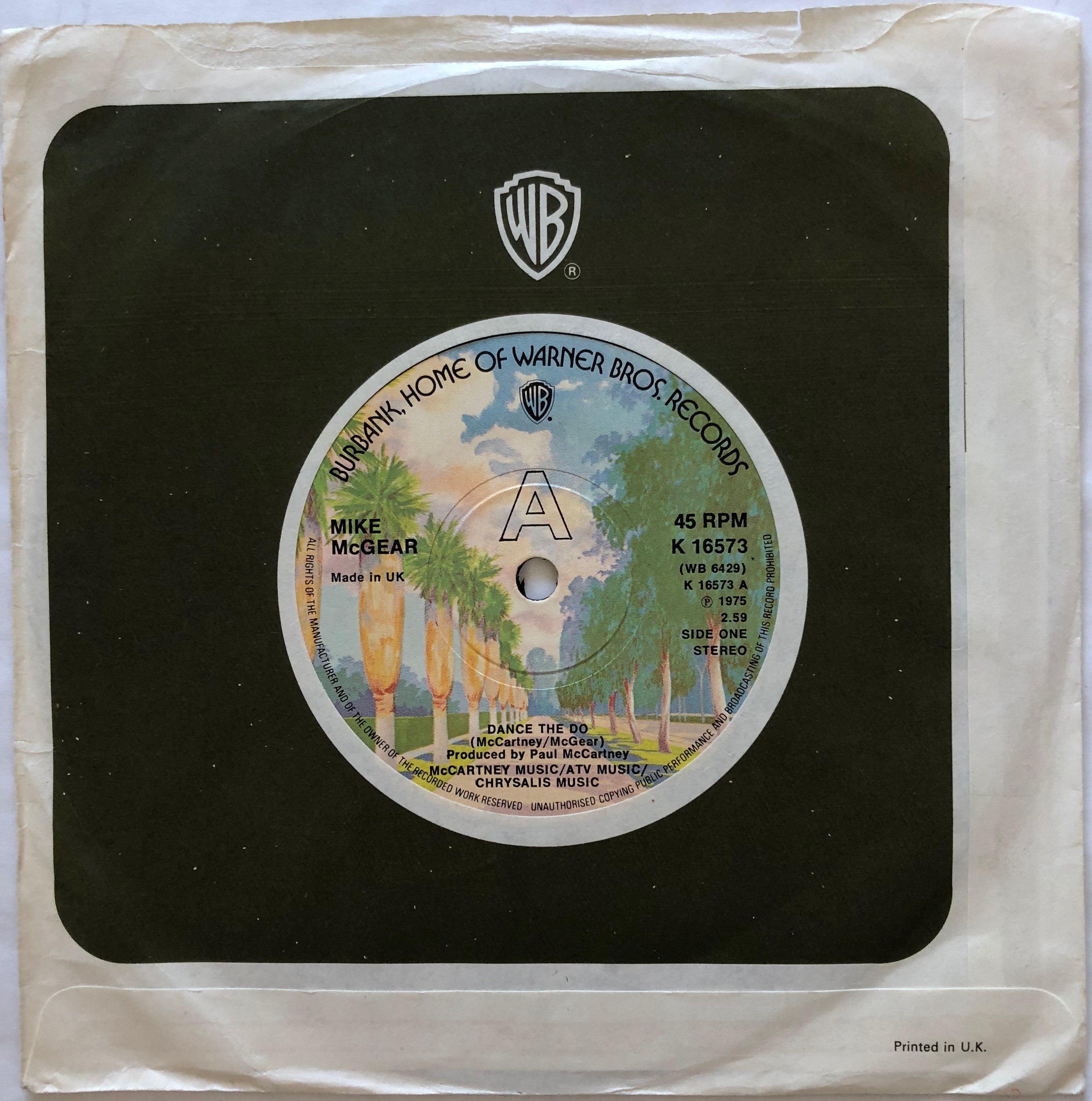









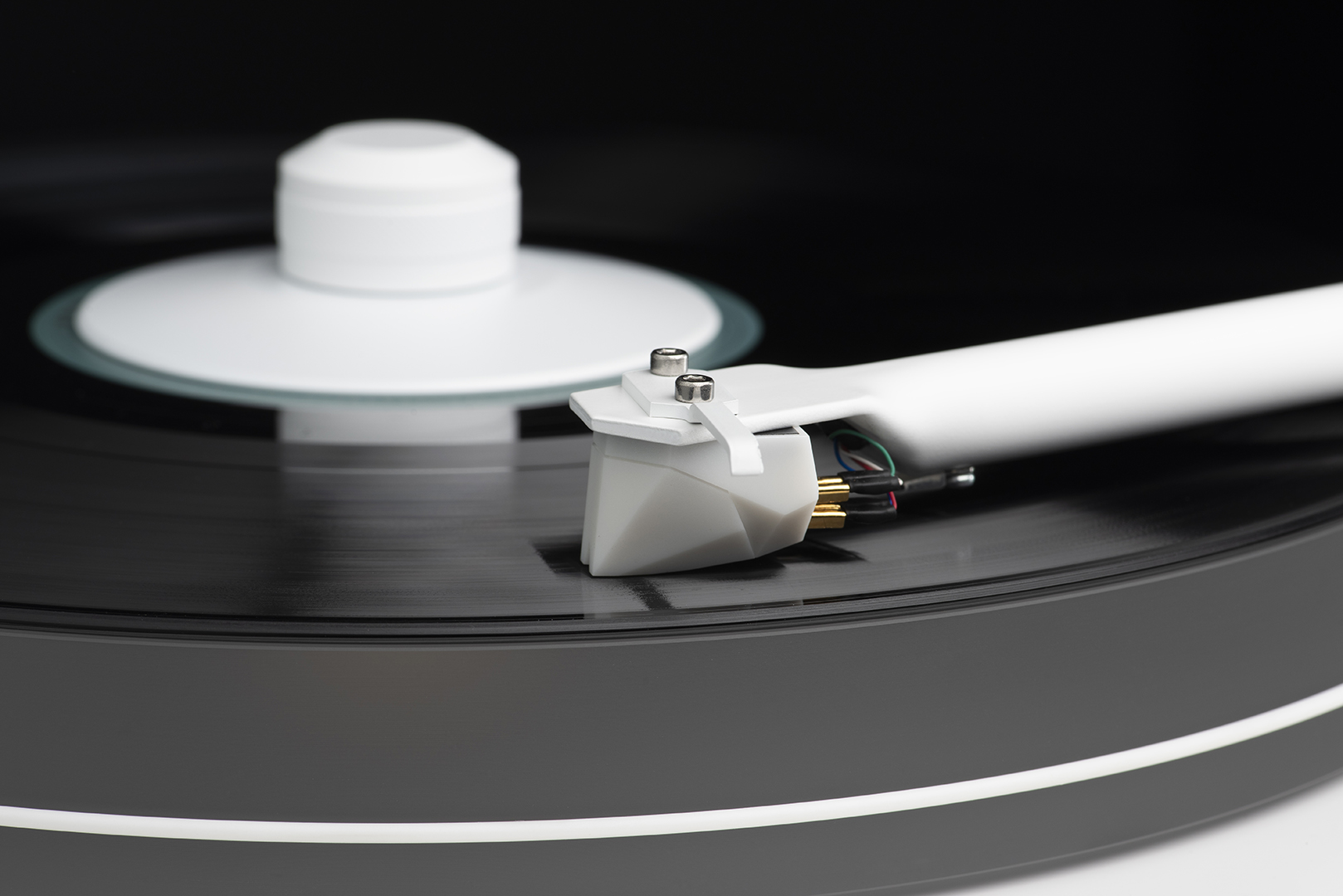

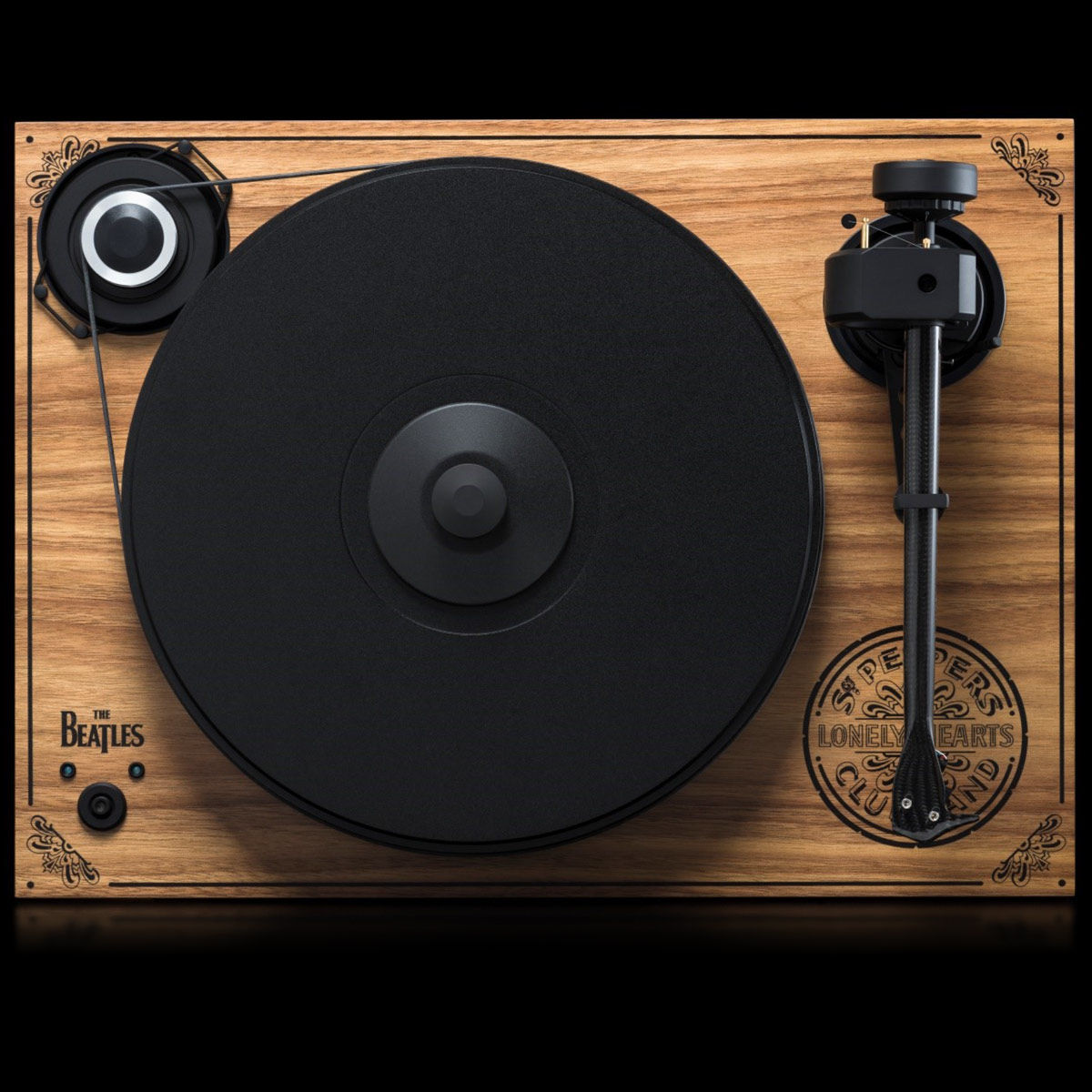
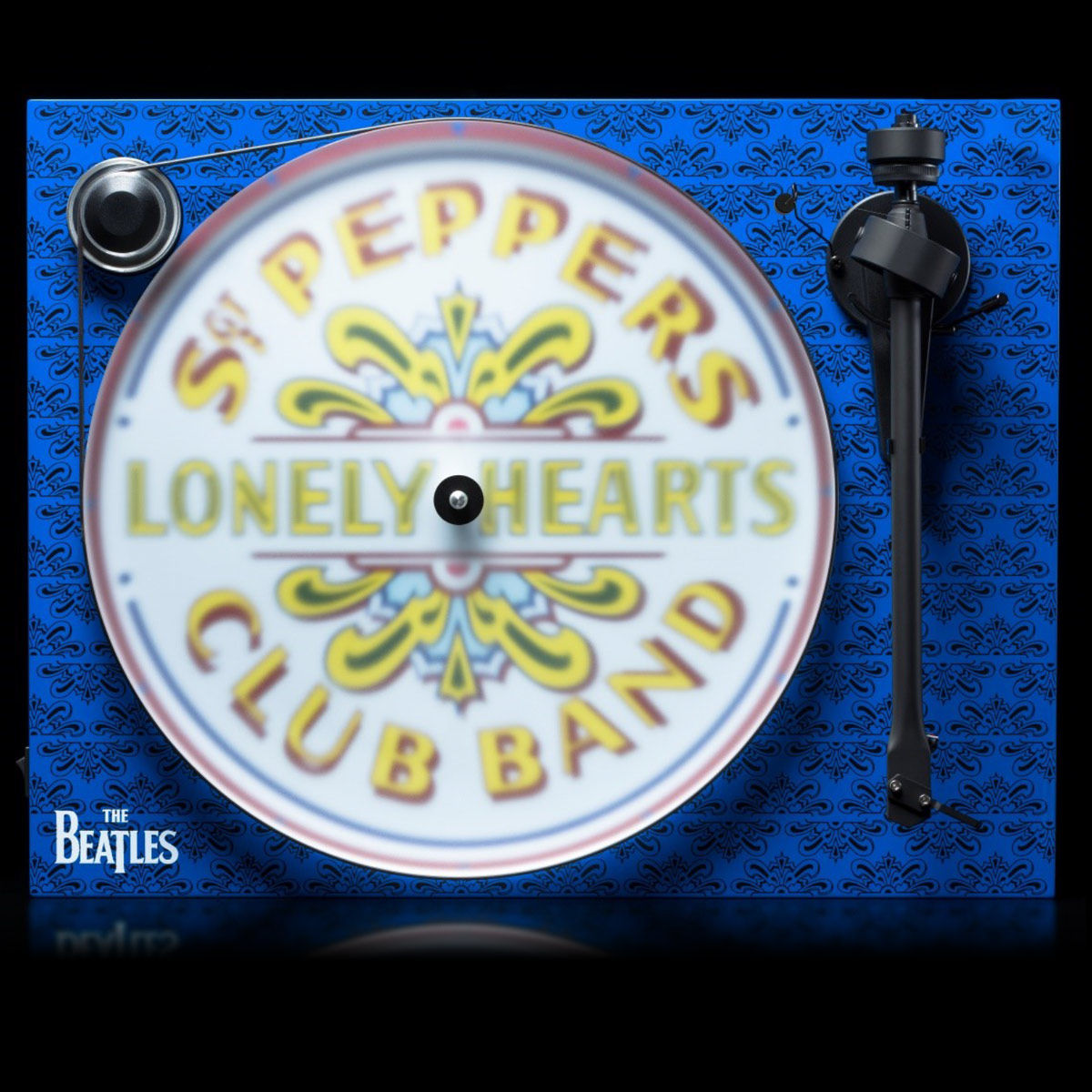
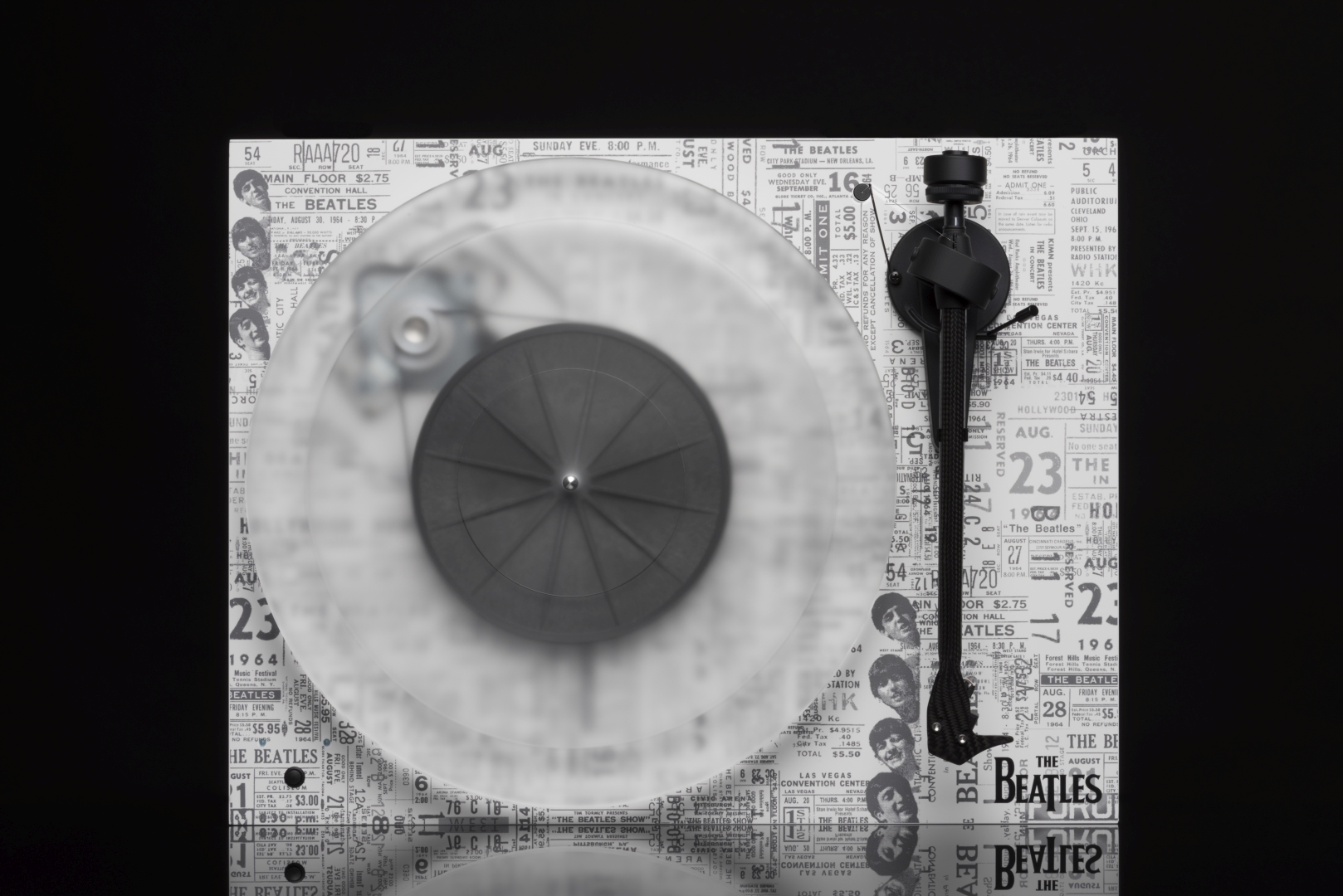
 The Beatles White Album turntable is limited to 500 pieces worldwide. It looks to have a limited edition number stamped on it, just like the original LP covers did back in 1968, but it’s not clear if these are individual or not:

 Beatles Blog