All Things Must Pass – Label Variations Update

At the “All Things Must Pass” Label Variations post, and the “All Things Must Pass” Record Store Day edition page there’s been a bit of conversation about a strange example of this now classic George Harrison release. Reader Paul writes:

“The box set pressing I have with….labels that say ‘mfd in the UK 1970′ comes in a USA box with orange inner, with a USA poster and USA inner sleeves. The strange thing is that sides 1,2,3 & 4 have the uncut, full Apple label like the Australian release instead of the cut Apple on sides 2 & 4. My guess is that the UK LPs were shipped over to America and packaged there using the USA box and inners? I can’t come up with an answer as to why the 4 orange Apple labels show the uncut Apple on all sides? Any ideas?”

Anyone with any more information on this one is welcome to contribute to the discussion.

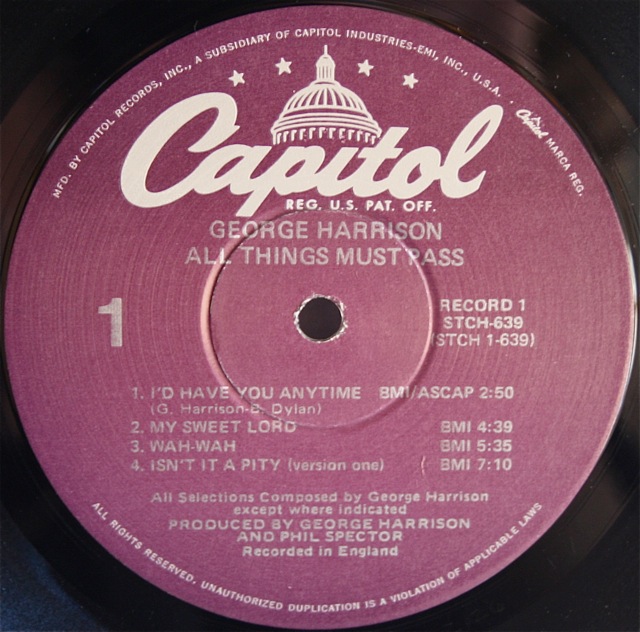
This reminded me of a further variation that came into my collection that’s not detailed in either of the posts above. It is a rare Capitol Records label re-issue of “All Things Must Pass”, with records One and Two on the purple Capitol label:

And record Three – the “Apple Jam” disc – on the Orange Capitol label:

This set comes in the usual box with the hinged lid, lined in orange on the inside, the three different coloured inner-bags (which are light paper), and it has the the big George Harrison poster. All printed in the USA.

Yellow Submarine – Songtrack and Blu-Ray

The new “Yellow Submarine” has been out for a couple of weeks now and my copies have just arrived – courtesy of Amazon in the United States.

I got the re-packaged “Yellow Submarine Songtrack” CD.  Yes I know, it’s the exact same songs re-mixed and remastered way back in 1999.  Despite a perfect opportunity to do so Apple hasn’t provided us with the 09.09.09 remixes that were used for the “1962-66″ (Red), “1967-70” (Blue), and the “1” re-issues – but the same old remixes used on the original “Yellow Submarine Songtrack” release. As one Beatles collector wrote: “Just how lazy is that. Making us pay again for the same 12 year-old mixes?”

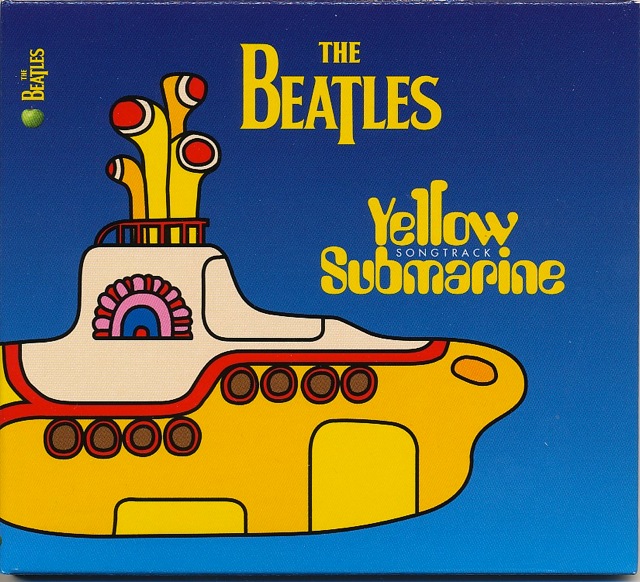
But it does come in the re-versioned packing making it compatible with all the new-look cardboard CD covers, including the back-catalogue titles in the 2009 box set – and the Beatles “1”, and so the completist collector just has to have it:

I also got the Blu-Ray of the 1968 film (it’s also out in a refreshed DVD, too) in excellent remastered quality.

(Click on images to see a large version)

But did you know that there was a unique, limited edition Blu-Ray cover offered in the UK, apparently issued in small numbers only by the HMV chain of record stores there? Check it out in this un-boxing video…

For more on “Yellow Submarine” see this post. Yes, the Blu-Ray will be crystal clear and worth it, but what are we collectors really getting that’s new?

Label Variations Part Six – Abbey Road

I haven’t done one of these for a while. It’s been over a year in fact. The last Beatle-related “Label Variations” was Part Five – and that was way back in February, 2011.

(You can see Parts One, Two, Three, Four, and Five plus the Beatles “Love” variations here and here. There’s also a comprehensive post on all the extensive variations of the McCartney/FiremanElectric Arguments” release, the Twin Freaks LP and singles, and McCartney‘s recent “Kisses On The Bottom” CD’s and LP. There is also a post on some George HarrisonAll Things Must Pass” label variations).

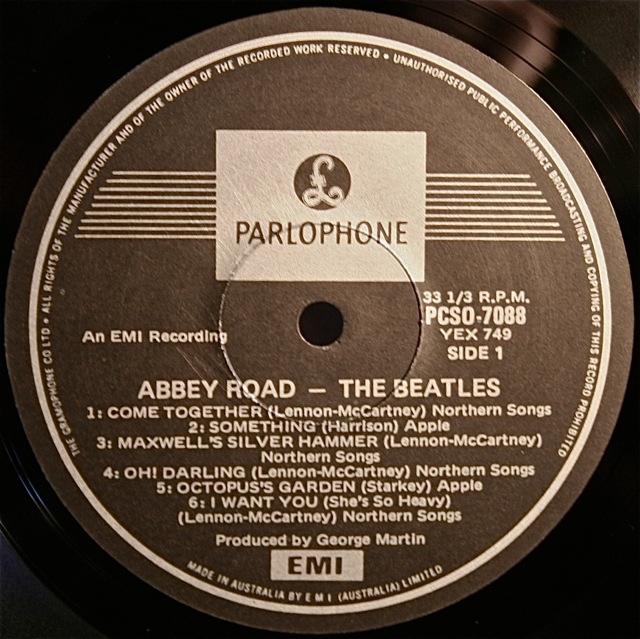
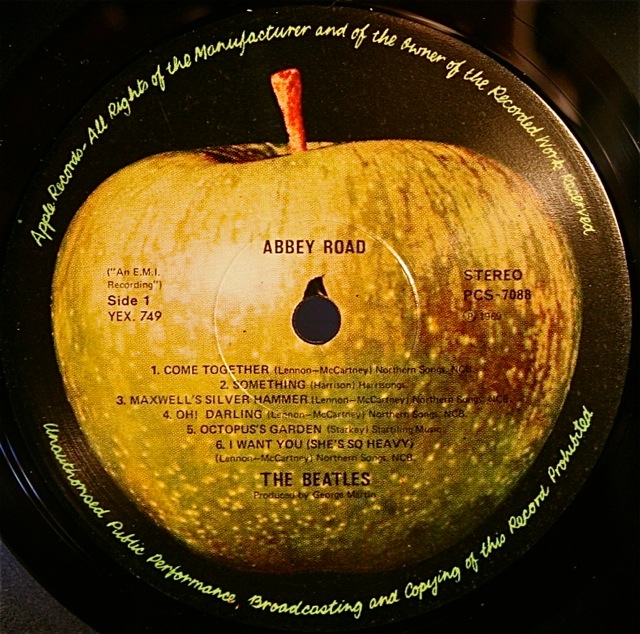
So it’s now time for another. This time some label variations of the Beatles legendary 1969 release “Abbey Road”, kicking off with the original UK pressing:

Here’s a more recent (1994) UK re-issue. This label is more yellow/green:

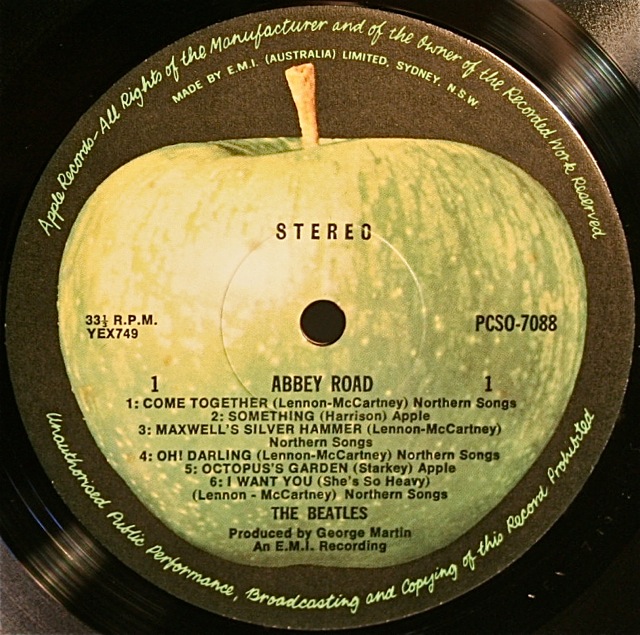
Here are some Australian pressings:

The Australian “Abbey Road” front cover is distinguished by the word “Stereo” on the top right-hand side:

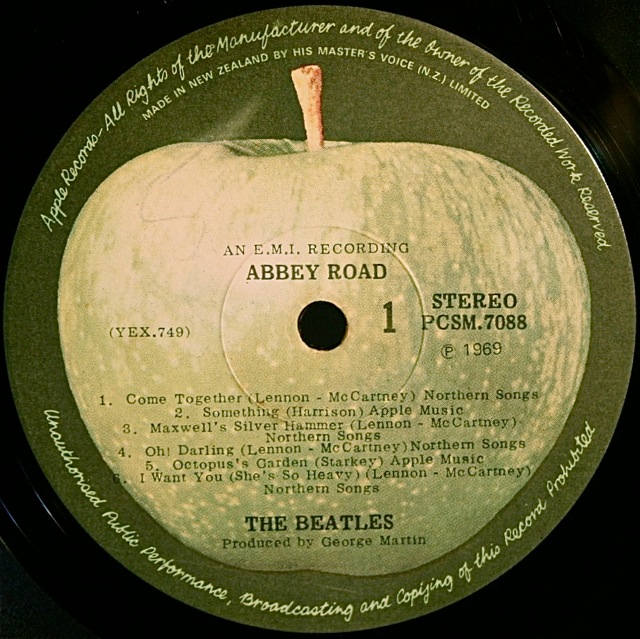
Here’s a couple of examples from New Zealand, starting with the original Apple pressing. As you can see the Apple colour on NZ pressings is quite a pale, washed-out green:

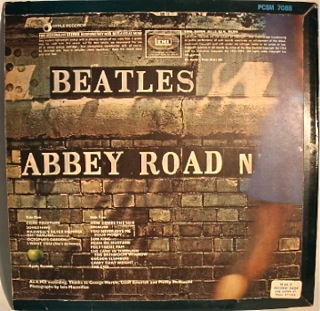
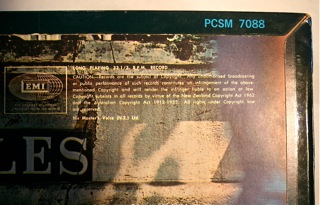
Incidentally, these early copies of “Abbey Road” in New Zealand came in covers with the old-fashioned external tab-fold on the rear of the cover:

These first New Zealand copies also come in a black paper inner sleeve.

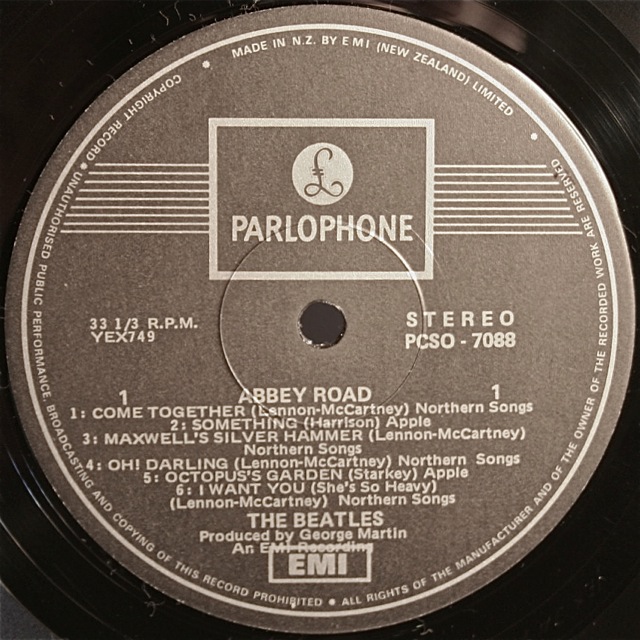
Here’s a more recent black and silver Parlophone label from New Zealand:

Next an Apple label from Germany:

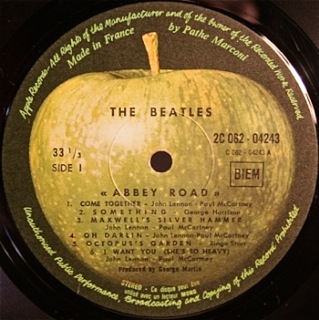
One made in France by Pathe Marconi:

This label below is the one used by EMI for Asian markets (Hong Kong, South East Asia and Malaysia):

And finally the fairly plain USA label:

I’ve also got a few copies of “Abbey Road” on CD (I really love this album!)

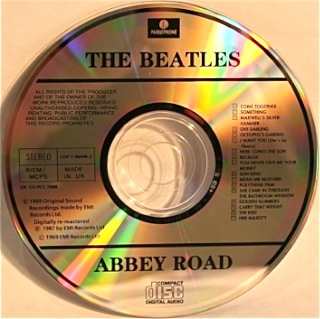
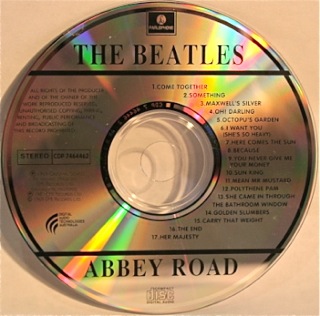
This first one is the original UK pressing:

And here’s the Australian CD, which is quite similar to the UK:

And the EU version of the very impressive 2009 Beatles digital remasters version:

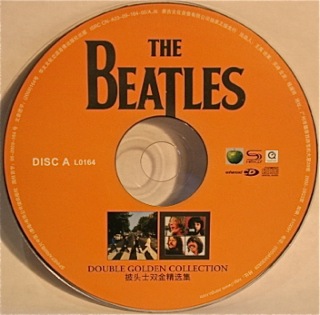
Lastly, a CD that I think is an illegal copy from China. I got a series of these on a trip to Vietnam (you can read some more about this here). The series is called the Beatles “Double Golden Collection”. There are two CD’s in each jewel box and you get one 2009 remastered album on each disc, complete with the bonus mini documentary. Disc One, shown here, has “Abbey Road” (the other in this set has “Let It Be” on the second disc):

If anyone else has some “Abbey Road” labels they’d like to share please send them to beatlesblogger@gmail.com

(For most images above click to see a larger version)

Badfinger “Magic Christian” Apple LP Re-issue

On Record Store Day 2012 I went to the huge Glebe Record Fair in search of some collectable treasure and came home with three nice items.

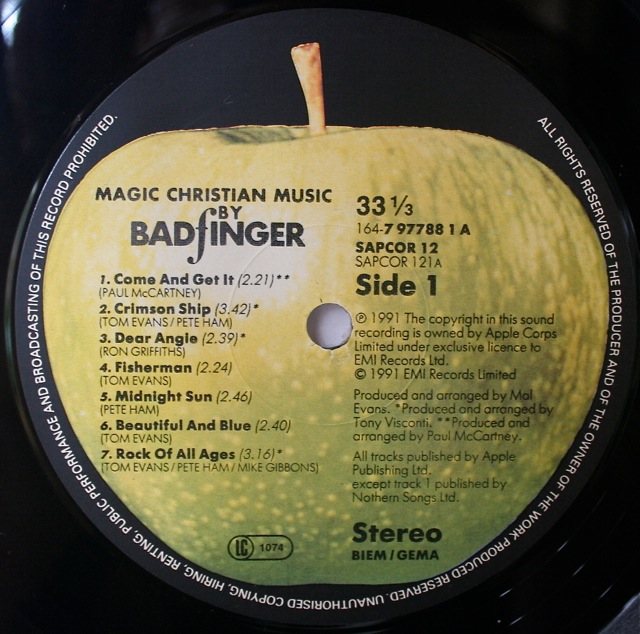
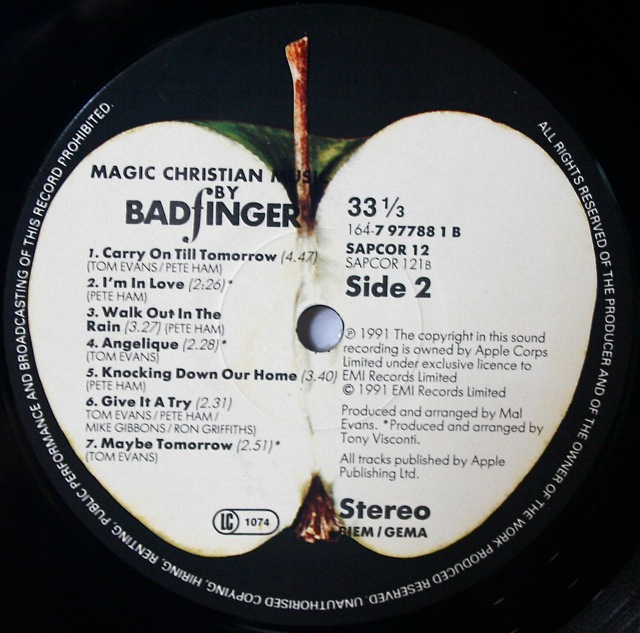
One of them was another in the series of Apple reissues that came out on vinyl in the early 1990s. These are now very rare and you can read all about the background to these here.  At the record fair I stumbled across one of the LPs from that time which I’ve been searching for for a very long time:

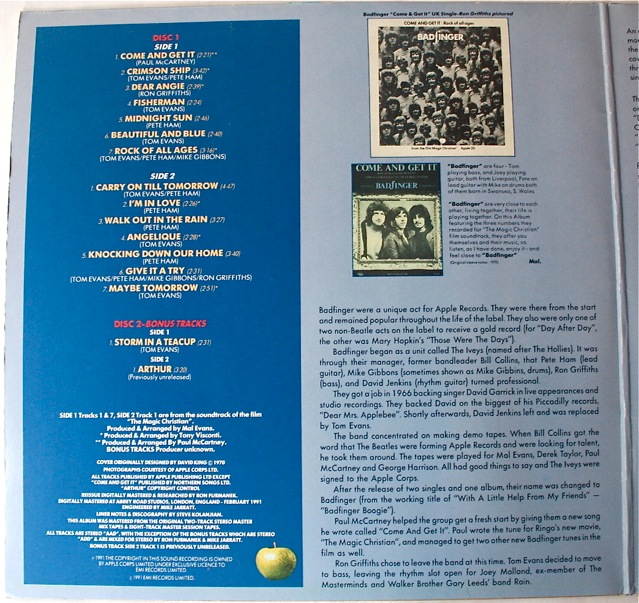
This is the original 1970 album “Magic Christian Music” by Badfinger, reissued in 1991 on Apple Records – only this time as a gatefold cover and containing a bonus 12″ disc with two extra songs. It was part of Phase I of a significant series of reissues which included James Taylor’s “James Taylor”, Mary Hopkins’ “Postcard”, Jackie Lomax’s “Is This What You Want?”, and Billy Preston’s “That’s the Way God Planned It”.

These vinyl reissues are now really very difficult to track down so I was surprised to see one at the fair and decided on the spot to get it.  It comes with the original Apple catalogue number SAPCOR 12 and looks to be a European pressing:

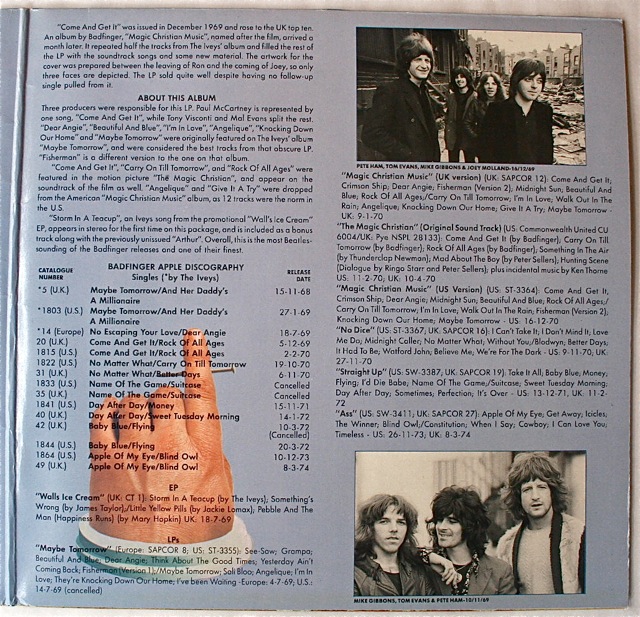
One of the distinctive and cool parts about it is that instead of being in a single sleeve it’s a gatefold:

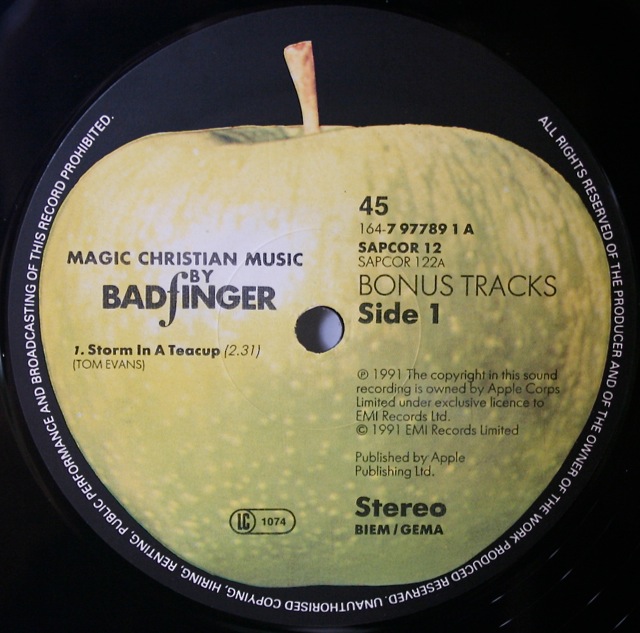
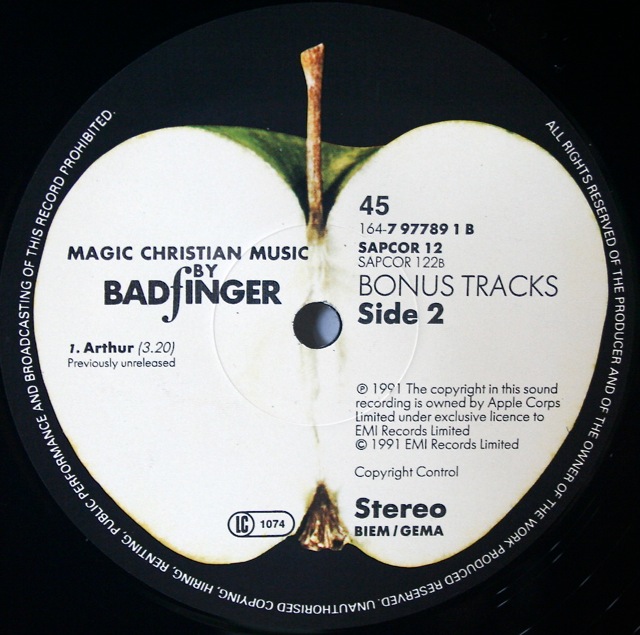
Being a gatefold means there’s obviously space for more photos and information about the release, and that in the second half of the sleeve there’s another 12″ record (a 45 rpm disc) containing two additional songs. On Side 1 you get “Storm in a Teacup”, and on Side 2 you get the previously unreleased “Arthur”:

“Arthur” was later included on the double CD of bonus tracks which came with the Apple CD box set that came out in 2010, only with a different stereo remix.

Next time the other collectable item I discovered. Stay tuned.

“New” Yellow Submarine?

You’re no doubt aware that there’s a BluRay and DVD re-issue of “Yellow Submarine” due in May. There’ll also be a re-issue of the “Yellow Submarine Songtrack” CD too.

But what will we actually get that is really “new”?

The Beatles site says (quote):  “Bonus features for the Yellow Submarine DVD and Blu-ray include a short making-of documentary titled “Mod Odyssey”, the film’s original theatrical trailer, audio commentary by producer John Coates and art director Heinz Edelmann, several brief interview clips with others involved with the film, storyboard sequences, 29 original pencil drawings and 30 behind-the-scenes photos. Both Digipak packages will include reproductions of animation cels from the film, collectible stickers, and a 16-page booklet with a new essay by Yellow Submarine aficionado John Lasseter (Chief Creative Officer, Walt Disney and Pixar Animation Studios)”.

That got me thinking, and so I got down off the shelf my 1999 edition of the DVD. This was issued at the same time as the newly digitally remastered “Yellow Submarine Songtrack” CD first came out. The cover looks like this:

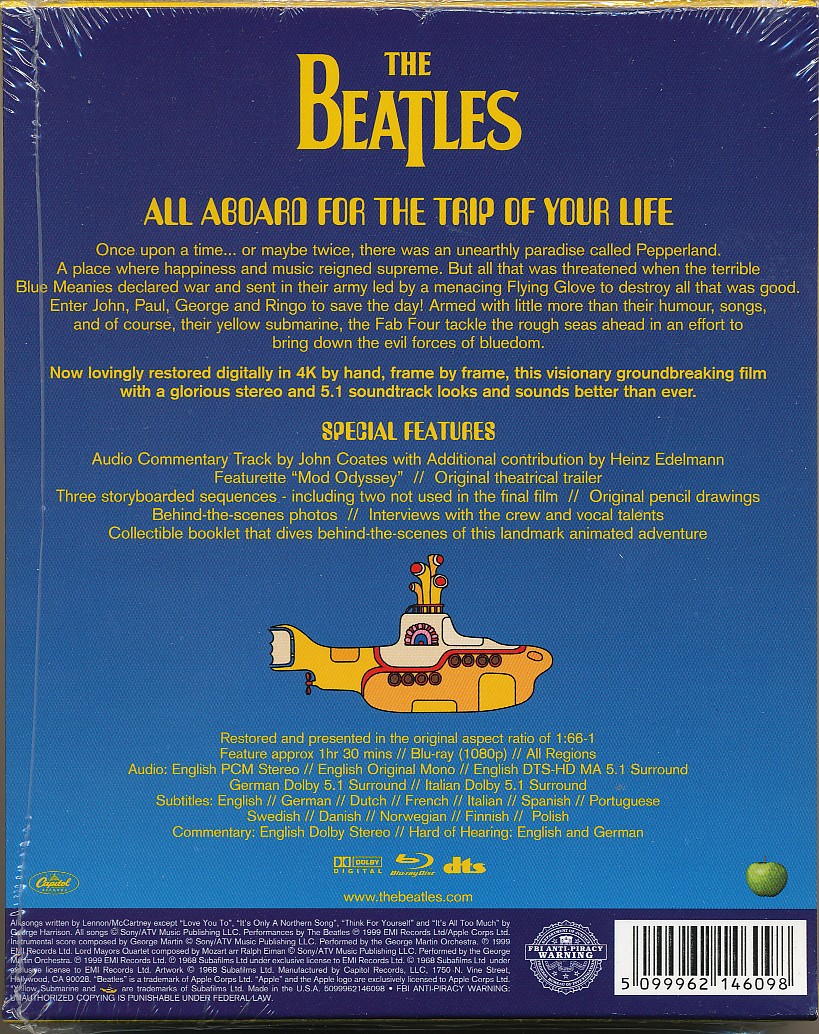
Listed on the back in that yellow box breakout are the Special Features. They are: a short making-of documentary titled “Mod Odyssey”, the film’s original theatrical trailer, full length audio commentary, interviews with crew and vocal talents, storyboard sequences (including two not used in the original film), original pencil drawings, behind-the-scenes photos, a collectible booklet, and a music-only track highlighting the film’s score.

So, this new addition coming in May adds what exactly? I figure it’s the “….reproductions of animation cels from the film, collectible stickers, and a 16-page booklet with a new essay by Yellow Submarine aficionado John Lasseter”.

And that’s it.

Apart from the individually hand-cleaned, frame by frame digitisation – which I’m sure is going to look fantastic – there’s not a real lot else I’m afraid.

I’ll probably get the BluRay (the complete-ist in me will have to have it), but I just wish Apple Corps and the remaining Beatles would stop forcing us to re-purchase stuff we already have and re-issue some genuinely new material.

What do you think?

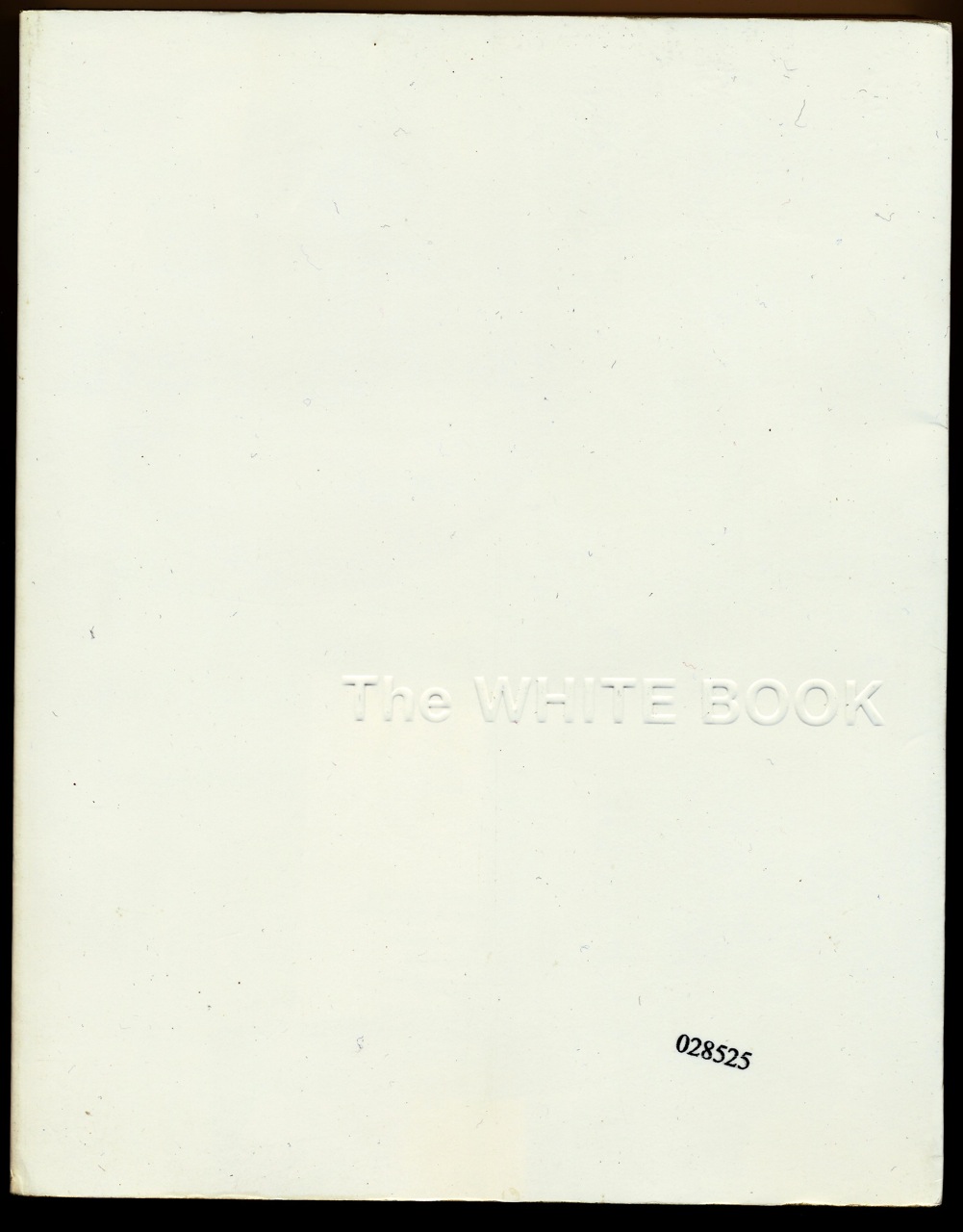
The White Book

Got this one second-hand on Ebay – and it looks like a really good read.

Ken Mansfield was a Capitol Records executive and an insider in the Beatles camp. He had a unique insight into the way the band worked, the absolute power they wielded in the music business, and the causes behind their ultimate demise. His book is called “The White Book”, and it carries the subtitle “The Beatles, the Bands, the Biz: an Insider’s Look at an Era”.

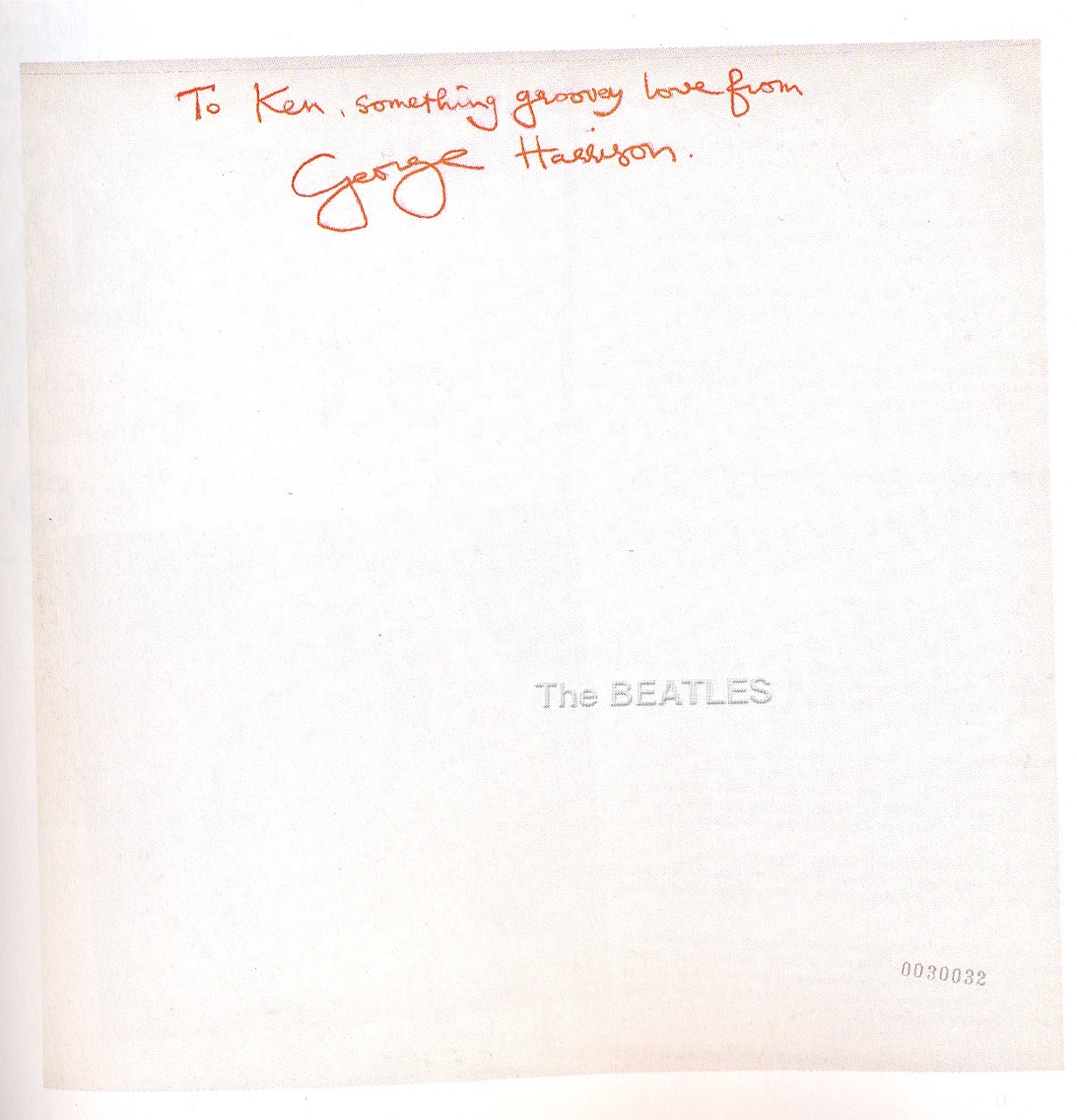
Each book, like the album after which it is named, is plain white all over, comes with the title embossed on the front cover, and has a limited edition number stamped on the lower right-hand side. Mine is 028525.

I really like the layout, look and feel of this book. Its a mid-sized softback, 248 pages with what they call in the book industry French flaps (don’t ask me why they are called that…the paperback front cover and rear extend and fold in – if that makes sense. Small but boring detail?). It has a large selection of photographs which are a combination of black and white, colour and colour-tinted photographs, many of them originals from Mansfields personal collection and as such never seen before. If you want a sneak peak at “The White Book” Google Books has a large selection you can see, along with extensive text extracts. Amazon also has a “Look Inside” preview.

Those links give you a really good idea about the design of “The White Book” and how it’s laid out. If you’ve scrolled through the Google Books/Amazon links you’ll appreciate there are lots of photos of items that illustrate key moments: telegrams, record covers, photographs, and hand-written notes from the Beatles to Ken Mansfield. One of my favourites: an autographed copy of the White Album given to him by George Harrison:

To sum up the contents of the book, this extract from Publishers Weekly is revealing:  “The second memoir from record-industry vet Mansfield (The Beatles, the Bible and Bodega Bay), a simple look at a complex happening, recounts his overwhelmingly positive experiences working with the Fab Four (and others) as they put together their late-career masterpiece The White Album. Mansfield relates how a lucky break in the 1960s took him from promotions executive for Hollywood’s Capitol Records to U.S. manager of Beatles-owned Apple Records. One of the few Americans allowed into the group’s inner circle, Mansfield presents revealing one-on-one time with each band member, yielding insight beyond their public personas. He notes, for instance, that mere words can’t explain how intimidating John Lennon and Yoko Ono were. Though he provides his side of artistic debates (should “Hey Jude” or “Revolution” be the first Apple single?), and eyewitness accounts of key Beatles moments (including the group’s final public performance atop the label’s London headquarters), Mansfield misses numerous opportunities to provide insider details and to comment on the progress (or lack thereof) in the recording industry; further, Mansfield’s awkward writing style—clumsy metaphors and alliteration, short chapters and confusing chronology—gives the work an amateurish feel. As Mansfield notes in the foreword, this book is something to enjoy because of its simplicity: engaging but hardly essential reading for the casual fan.

That last bit is probably harsh. As a real fan this looks to me like it contains a treasure trove of stuff I don’t know, told from a unique perspective. “The White Book” has its own website fabwhitebook.com with lots more information and of course – a video:

McCartney’s Kisses on the Bottom – Who Owns The Songs?

Just had an email from Bruce Hamlin, an Australian collector who runs The Beatles Records Information Service, with some information about the new Paul McCartney release of Kisses on the Bottom (out on February 7).

Because the album is Paul interpreting some of the great old songs he loves, Bruce muses at the end of his email: “The cynic in me reckons that Paul owns the publishing rights to all these songs too. Just for that extra bit of icing on the cake when the royalties come in….”

McCartney of course owns MPL Communications Limited, one of the biggest song publishing and licensing companies in the world – and in fact does own the rights to literally thousands of songs and covering nearly 100 years of music.

So, how many of the songs he’s covering on Kisses on the Bottom does McCartney already own, and will he subsequently get song royalties from tracks he didn’t write back into his own business? In the album’s track-list below I’ve put in RED whether MPL administers the publishing rights:

1. I’m Gonna Sit Right Down And Write Myself A Letter  –  YES  (written by Joe Young, Fred E. Ahlert, 1935)
2. Home (When Shadows Fall)  –  NO
3. It’s Only A Paper Moon  –  NO
4. More I Cannot Wish You  –  YES  (written by Frank Loesser, 1949)
5. The Glory Of Love  –  NO
6. We Three (My Echo, My Shadow And Me)  –  YES  (written by Dick Robertson, Sammy Mysels, Nelson Cogane, 1939)
7. Ac-Cent-Tchu-Ate The Positive  –  YES  (written by Harold Arlen, Johnny Mercer, 1944)
8. My Valentine (it’s a new McCartney composition, 2012)  –  YES 
9. Always  –  NO
10. My Very Good Friend The Milkman  –  NO
11. Bye Bye Blackbird  –  NO
12. Get Yourself Another Fool  –  NO
13. The Inch Worm  –  YES  (written by Frank Loesser, 1951)
14. Only Our Hearts (another new composition)   –  YES  

The Deluxe CD Album will feature 2 bonus tracks:

15. Baby’s Request (a 1979 McCartney tune from Back to the Egg)  –  YES 
16. My One And Only Love  –  YES

Therefore, in answer to Bruce’s question, for the standard CD edition of Kisses Paul McCartney owns half the songs. For the deluxe edition he owns the rights to 9 out of the 16 tracks.

Also, it’s just been pointed out to me by Beatlesblog reader Craig that two of the songs on the album have previously been released in versions on Apple Records. Ringo did ‘Bye, Bye Blackbird’ on Sentimental Journey (his 1970 tribute to old songs he loves), and Mary Hopkin recorded ‘The Inch Worm’ on her first album, Postcard (1968).
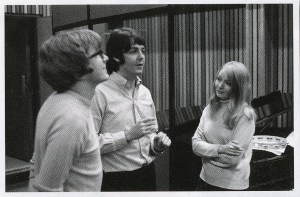
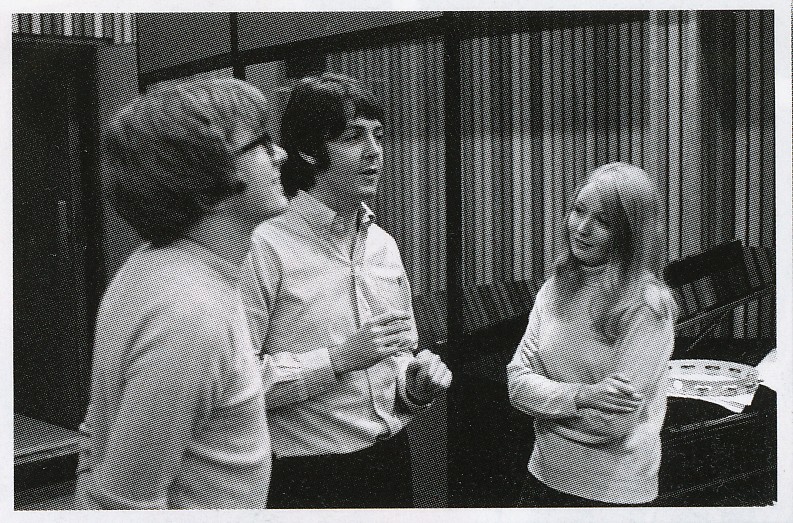
Peter Asher, Paul, Mary Hopkin at Trident Studios, London, 1968 (Apple)

Paul produced Mary Hopkin’s Postcard LP, so he must have liked the song ‘The Inch Worm’ for a long time. He chose the album’s songs, the arranger and even the artwork for the album cover. From the liner notes of the digitally re-mastered edition of Postcard from 2010:

Mary remembers that the show tunes and hits from yesteryear that make up half the collection were favourites of Paul’s father, Jim McCartney. They call to mind the valve-warming radio days of the BBC’s old Light Programme, Ringo Starr’s Sentimental Journey album that Apple would soon release, and the comfy familiarity that Paul evoked in Beatles songs such as ‘Honey Pie’, ‘When I’m Sixty Four’ and ‘Your Mother Should Know’.

Sounds just like the 2012 publicity for Kisses on the Bottom, doesn’t it.

‘The Inch Worm’ originally comes from the 1952 Danny Kaye film Hans Christian Anderson. And Paul’s company MPL Communications Limited now owns the publishing rights to the song.

You can access the database for all the songs that ML Communications has the rights to at: www.mplcommunications.com/search.php  For most tracks in the database you can also listen to full audio examples, often by a range of performers.

For a great film of Mary Hopkin performing different language versions of ‘Those Were the Days’ see the Wogblog page. Great shots of the Apple offices in 1968, too.

Beatles Target Ltd Release Singles – Part 2

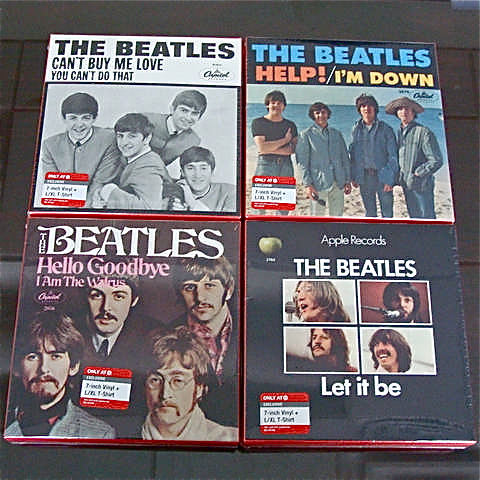
Here’s some more on the limited edition Beatles 45 and tee-shirt packs only available at Target stores in the US.
Some folks have been posting more information and pictures at the Steve Hoffman Music Forums – worth checking out for Beatles information and updates from time-to-time.

Someone put up a photo of the way the boxed sets are displayed in the store – usually at the end of an aisle like this:

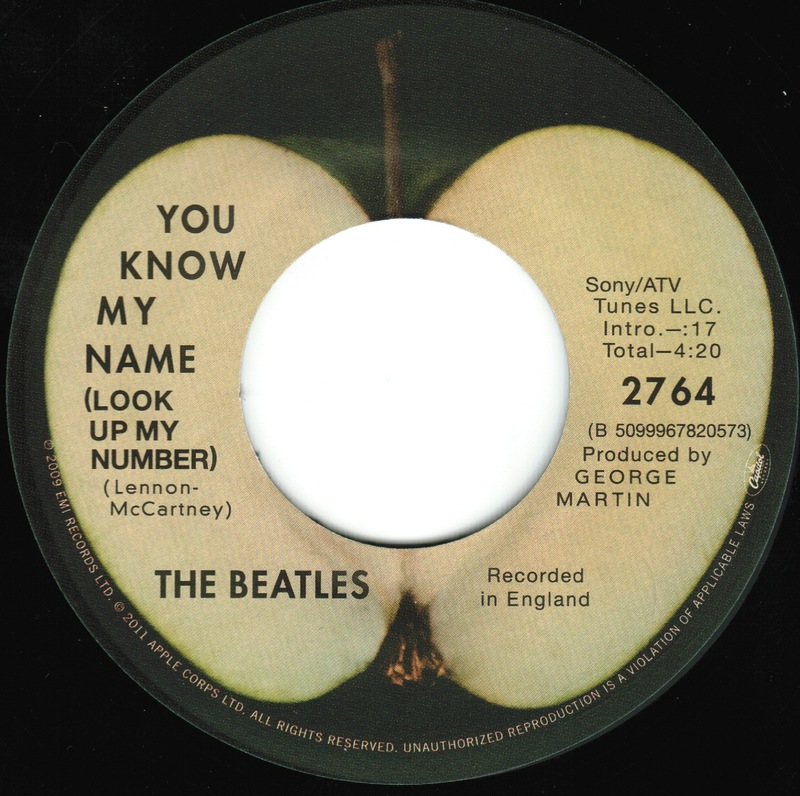
As my copies are sealed and will probably stay that way I was interested to see some label images of the records inside:

Just a quick reminder about what we are talking about here:

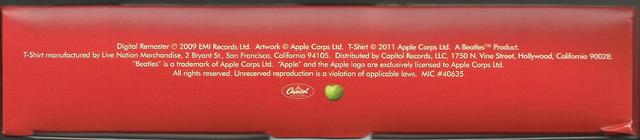
And here are the copyright and other details on the bottom of one of the boxes – which I forgot to include on my earlier post. This one is for “Hello Goodbye”:

(If you’d like to see this slightly larger just click on the image above).

Beatles For Sale on Parlophone Records

For a leading tax attorney Bruce Spizer sure knows a lot about the Beatles.

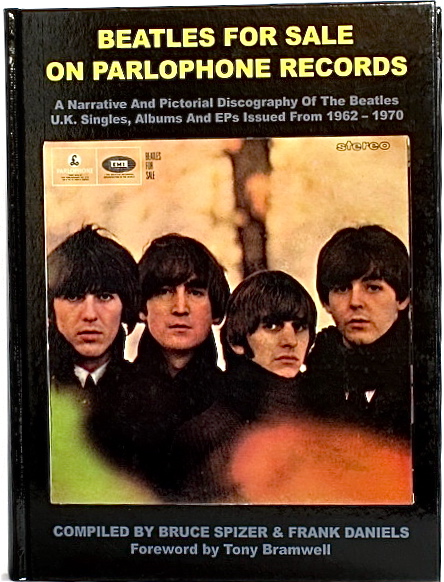
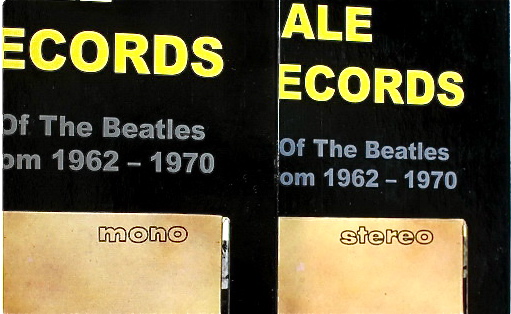
He is something of a legend amongst Beatles collectors. His books about the record labels the band’s output has been released on are much sought-after and comprehensive. Now, there’s a new one. The New Orleans-based Spizer has just released “Beatles For Sale on Parlophone Records”:

In a cheeky collector-driven move the book is available in two different versions. You can order it with the Stereo version of “The Beatles For Sale” album on the cover, or you can get the Mono image. The contents of both books are the same inside though:

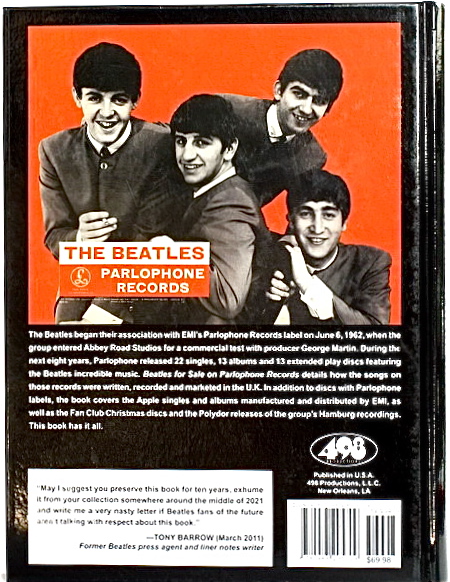
Here’s the rear cover:

When asked to compare this book to his previous titles, Spizer said, “This is by far the most comprehensive book I have ever done because it covers all of the songs released by the Beatles in the sixties. The U.K. singles, albums and EPs, all in one 444-page book. Like my other books, it is full of hundreds of images in either color or original black & white. It contains rarely seen British ads and promotional posters. Frank Daniels and I were able to track down tons of label variations that will please and frustrate the hard-core collectors.”

Surprisingly (according to Wikipedia), Bruce Spizer didn’t start collecting seriously until 1997 when he earned a large fee from the settlement of a lawsuit and decided to use some of the money to replace his childhood collection of Beatles LPs with a set of first edition albums. From that moment he was drawn into the world of collecting and has since written and self-published eight great books on the subject of the Beatles, their records and record labels.

In case you think you’ve never heard of him, you may already have some of his work in your collection if you own this CD box set:

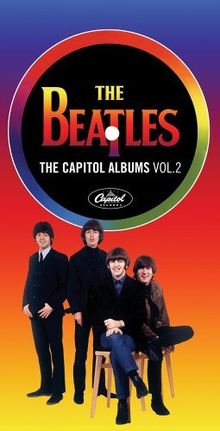
Bruce wrote the essay contained in the booklet which came with “The Beatles Capitol Albums Volume 2”. The four-CD box set contains stereo and mono versions of the Beatles albums released by Capitol in 1965.  Spizer also served as a consultant to Capitol Records for both Volumes 1 and 2 in the series.

Bruce Spizer’s website is beatle.net and there is a lot more about all his books there.

Beatles White Album Cover Designer Dies

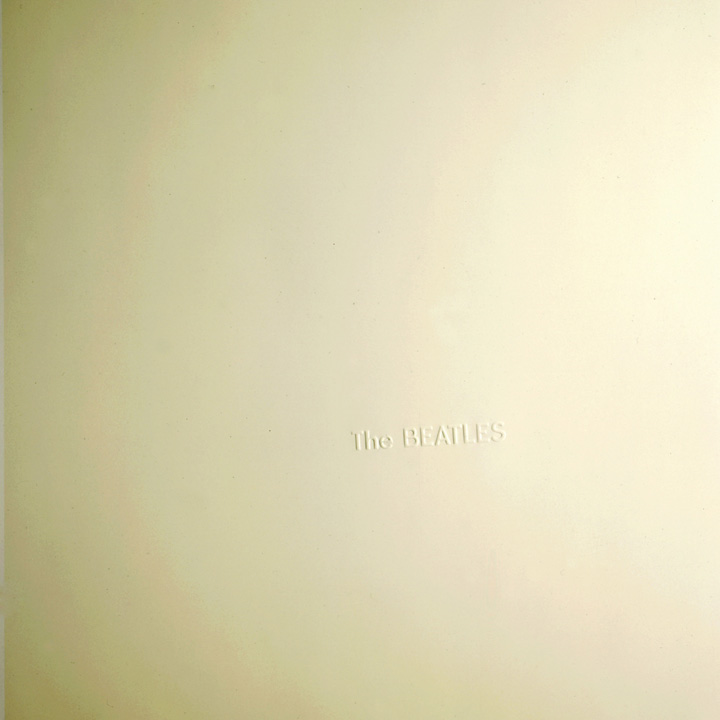
Sad news this past week that Richard Hamilton, the British artist who helped the Beatles design the minimalist cover and inserts (a large photo-collage poster and four individual photographs of the band) for their famous “The Beatles (White Album)” LP has died at the age of 89.

Released in 1968, no Beatles collection would be complete without it. Its simple plain white cover was the very antithesis of the one which immediately preceded it – the comparatively gaudy and colourful “Sgt Pepper”.

I really don’t have to write much here as there is such a lot of good information on the web already about Richard Hamilton and the work he did on “The Beatles (White Album)”.

In fact there’s one extensive website dedicated to just about everything you’d care to want to know about it, including a page on the design, and a page about Hamilton the artist himself.

The Beatles Bible website also has a six-page article on the “White Album”. And the Guardian newspaper ran this obituary to Hamilton.