The Beatles: BBC Archives – 1962-1970 – A Review

There are three distinct aspects to the Beatles’ main output and the direct connection they had with their audience. These are the band’s official studio recordings; their live performances; and (as this book examines in intricate and fascinating detail) their appearances during the height of their popularity on radio and television.

Kevin Howlett, a former BBC radio producer, has for many years been chronicling the band’s long and close association with the British Broadcasting Corporation (BBC). If you want proof that their output on radio and TV was prolific here are some stats: the Beatles performed a huge catalogue of songs across 275 performances at the BBC between March 1962 and June 1965. They appeared on 39 radio shows just in 1963 and, on one single day, recorded 18 songs for three editions of the BBC’s “Pop Go The Beatles” series in a session lasting just under seven hours. In total they played 88 different songs, most done in one take with little time to correct mistakes.

What also has to be remembered is the extent to which the BBC was at the core of daily life in the UK. Unlike the multiple channels and sources of information we take for granted today, no other broadcasting organisation was licensed to operate in the UK until 1973. It seems extraordinary and almost incomprehensible now. There was some competition from overseas and “pirate” radio stations, but during the life of the Beatles as a band the BBC pretty much had the market to itself.

This book The Beatles: the BBC Archives: 1962-1970 isn’t the first go Kevin Howlett has had at writing about the close relationship between these two icons of British life in the sixties. It is however the most comprehensive and beautifully produced effort so far. Beatles Blog has in its collection a small 1982 softback book called The Beatles at the Beeb – The Story of their Radio Career 1962-65: 

Beatles BeebHowlett tried again in 1996 with The Beatles at the BBC, the Radio Years. However both these previous attempts are nothing on his latest effort.

What Kevin Howlett has done with this book is to significantly expand the scope and the content of his subject to produce the definitive examination of the Beatles interaction with their fans using BBC radio and television.

The new work comes packaged in an impressive look-alike (and slightly used) 1960’s BBC reel-to-reel tape box:Beatles at the BBC large

Inside is the book, which contains many pictures, examples of contracts, internal memos and letters, memorabilia and complete details of all their appearances, along with a discography of the songs that the Beatles performed. If the songs were covers then there are details of the original artists too.

We learn that some 36 of the 88 songs they performed were never issued on record and, with the exception of the Beatle original “I’ll Be On My Way”, these unreleased tracks were all cover versions. Inside the book there are lift out prints and and removable facsimile documents – making this a great collectable item in itself. Beatles BBC2-tiff

The photo (above) shows the band performing at the BBC Playhouse Theatre for Easy Beat on 16 October, 1963 – the day after news of the group’s participation in the Royal Variety Performance was announced (Photo © Press Association)

I love these sort of reproduction books, with removable documents, ticket stubs, mini-flyers and posters. I have two others which are similar: The Treasures of the Beatles, and Lennon Legend: An Illustrated Life of John Lennon.

This photo (also from the book) shows George, Paul and John with the BBC’s Bernie Andrews, producer of the show Saturday Club. It is dated 17 December, 1963 (Photo © BBC Worldwide):Beatles BBC1-tiff

Kevin Howlett is now very much an insider in the Beatles camp, having completed a number of prestigious Apple Records re-issue projects for them. He co-wrote the liner notes for the digitally remastered CD catalogue in 2009. Howlett wrote the notes and produced the ‘Fly On The Wall’ bonus disc for the 2003 Beatles remixed album Let It Be …Naked. He also wrote the liner notes for the original 1994 double CD and LP package Live at the BBC, and has done the same for the forthcoming set On Air – Live at the BBC Volume 2 (to be released on November 11). Both feature previously unreleased recordings and studio chatter by the Beatles made available for the first time. The new release will include early hits and cover songs recorded at the BBC in 1963 and 1964, audio of the group talking to radio presenters such as Radio 2’s Brian Matthew, different versions of some of the songs from the first Live at the BBC album, and interviews recorded in November 1965 and May 1966 for the BBC “Pop Profile” series.

BBC Volume 2

A remastered version of the original Live At The BBC will also come out on 11 November to coincide with the release of Volume 2.

BBC Volume 1

So, Howlett knows his subject. His book The Beatles: The BBC Archives: 1962-1970 is destined to become the ultimate publication detailing in every respect the the band’s interaction with it’s adoring public via the BBC – then one of the most important and dominant media outlets in Britain. It is published in the US by Harper Design (Harper Collins), and in the UK by Ebury Publishing (BBC Books).
“Wonderful Christmastime” with Straight No Chaser

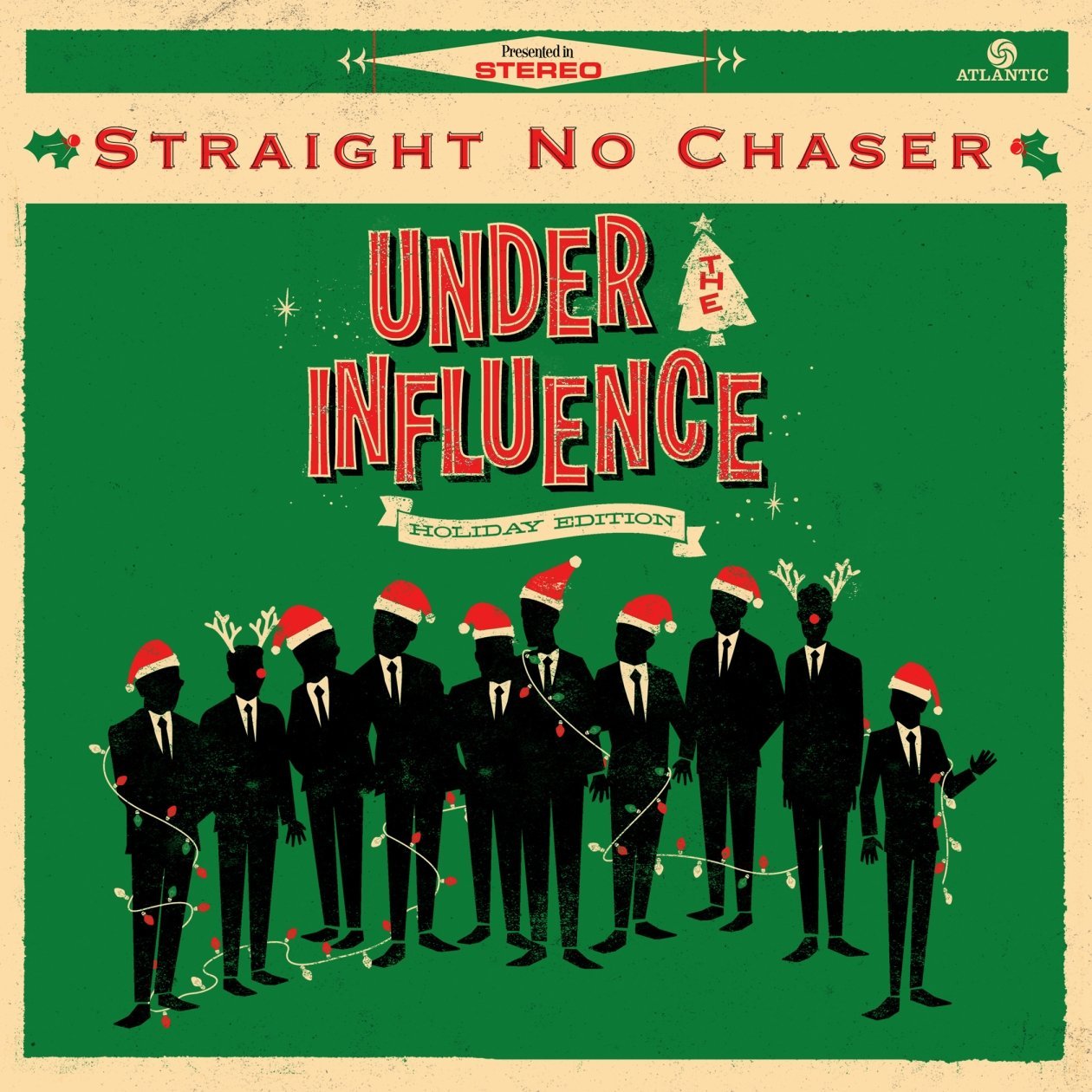
Paul McCartney’s company MPL Music Publishing has announced that he’s teamed up with a cappella group Straight No Chaser for a new version of his 1979 Christmas single, “Wonderful Christmastime”. Listen to it here.

The song is featured on Straight No Chaser’s new EP, Under The Influence: Holiday Edition.
Straight No Chaser

The 8-song EP will be available digitally and on CD this week (from October 29), and includes appearances by Paul McCartney, Colbie Caillat, CeeLo Green, and Otis Redding. For more details about Straight No Chaser go to the group’s website.

For Christmas last year the song appeared, in a version by The Shins, on the Holidays Rule/Christmas Rules compilations.


Queenie Eye Video, and the “Making Of ” Video

Here’s the official video clip for the second single from Paul MacCartney’s New:

And here’s the “behind the scenes” making of, complete with an explanation of what the term Queenie Eye really means:

Lewisohn’s US Edition – Out 10/29

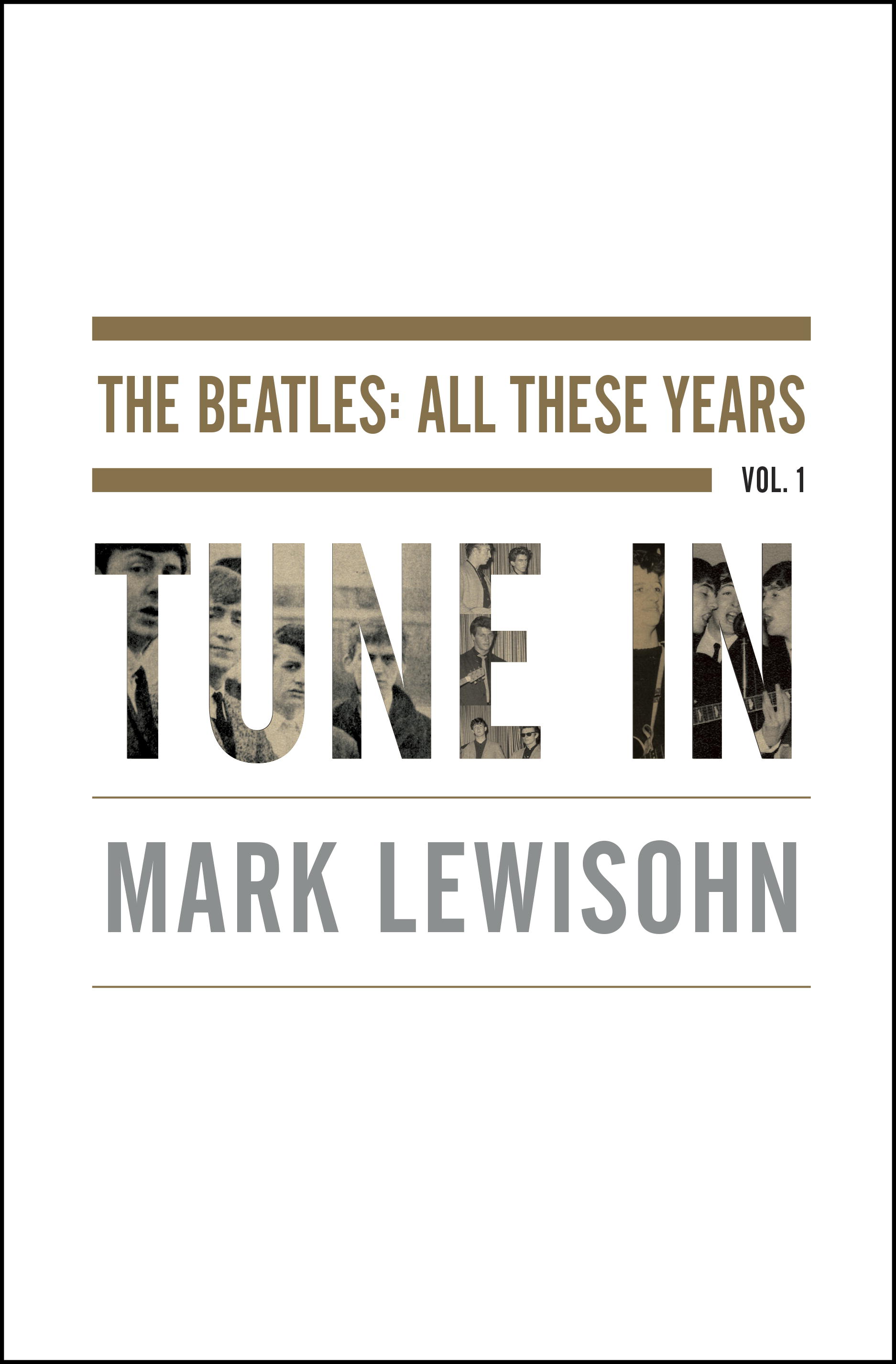
Mark Lewisohn will soon be promoting the impending United States version of his book Tune In: The Beatles – All These Years Volume 1. (It’s officially due on 29 October)

In the USA the title gets a different cover art treatment to the British edition:

TUNE IN US edition

Mark Lewisohn will be attending two special signings in New York City, one on 10/25 and the other on 10/26. He’ll be at Bloomingdale’s 59th Street store. On 10/25 he’ll be in-store at 12:30pm, and on 10/26 at 2pm.

We’re sure NYC fans would love to get along to this event.

Beatles Blog has a copy of the US edition to give away to one of our lucky readers. Stay tuned for more details soon.

The Story Behind the Cover Art for McCartney’s “New”

Speaking of inspirations for album cover artwork, the small print in the credits for Paul McCartney’s latest recording turns up some interesting background information on where he looked for the stylised image of the word NEW depicted on the cover.

Here’s the cover for the standard edition CD [and vinyl]:paul-mccartney-new-album

…and the different coloured “deluxe” CD variation, which contains two bonus tracks:New - Deluxe Edition

Inside, along with who played and produced what, there’s this:

Artwork information:
NEW album cover inspired by Dan Flavin with special thanks to Stephen Flavin
Logo and cover concept: Rebecca and Mike
Consultancy and design: YES
Cover Image: Ben Ib

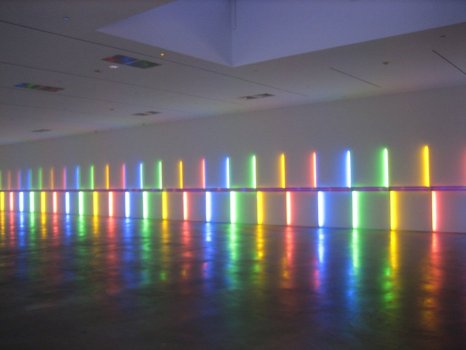
Dan Flavin was an American minimalist sculptor who specialised in using coloured neon and fluorescent tubes. As an example, here’s Flavin’s 1987 work Untitled (to Don Judd, colorist) at the Tate Liverpool gallery in 2009 (photograph: Colin McPherson):Dan-Flavin-Unititled-to-D-007

Or this (Site specific installation 1996 – Menil Collection, Houston Texas): Flavin 2

You can easily see where the New cover is coming from. The reference to Stephen Flavin is to Dan Flavin’s son, who has overseen the activities of his father’s estate since 1997. (For an in-depth and scholarly review of a retrospective exhibition of Dan Flavin works held in London in 2006 try this). The website Artsy.net has also created a page which really captures well what Flavin’s art is all about – and it has some great images too.

So much for the inspiration for the New cover.

Turns out though that the image used wasn’t actually made of fluorescent lights. See that reference to Ben Ib? Well, he’s a music video director who has worked extensively with Paul McCartney in the past. On his website Ib says he made the piece using a computer rendering program (with a logo and concept by Rebecca and Mike, and consultancy and design by YES). He also says the cover is “…my first foray into print work…It was a great team to work with under Paul’s guidance. I’ve also created the deluxe edition (gatefold) image.”

Ben Ib has done heaps of video work for McCartney. He created visual content for the “On the Run” and “Out There” tours, and the visuals for the song “Sing the Changes” which featured Barack Obama and which Sir Paul used for his headlining set at the Coachella festival. You can see a short extract of that here.

Ib’s talents were also utilised in June 2008 when Paul McCartney came home to Liverpool to give a performance (the first in his home town in five years) for the Liverpool Sound 2008 event. Ib built a huge, beautiful 20-minute long visual collage to serve as a backdrop to the show. It charts Paul’s story – from the early Cavern club days to the present, with footage and memorabilia from Paul and Linda’s personal archives.

And Ben Ib did this short biographical documentary film featured on the deluxe CD re-issue edition of Ram. If you haven’t seen it here’s an extract:

Meanwhile….back to the cover of New and Paul McCartney has provided the following piece of advice:

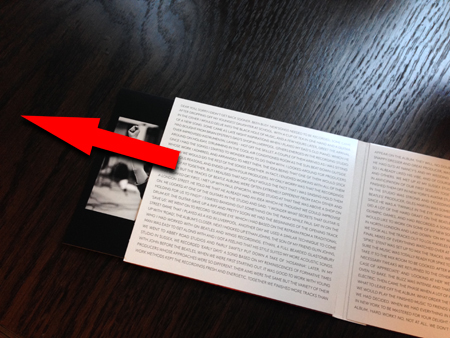
“If you buy ‘NEW’ on CD, please be careful when removing the booklet and take it out through the front cover gap, rather than the inside gap; If you do it could rip the cover. I only know this because I did it three times before I realised the booklet had to come out of the front gap! I hope you enjoy the music!! And please pass this message on.”

To help illustrate his point the news page on his official site shows these two photographs. First the correct way to remove the booklet:Correct_Image

…and this is the incorrect way:Incorrect_Image

Imitation is the Sincerest Form of Flattery – Part 3

A couple of posts ago we featured some of the album covers which blatantly copied or where perhaps inspired by the Beatles Let It Be. That followed this fairly similar copy from back in 2010 of the cover for their compilation The Beatles Number 1. 

Now it’s time for the White Album.

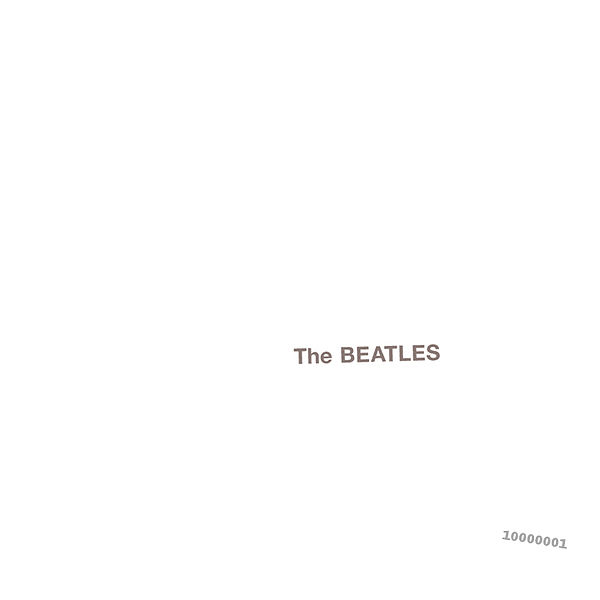
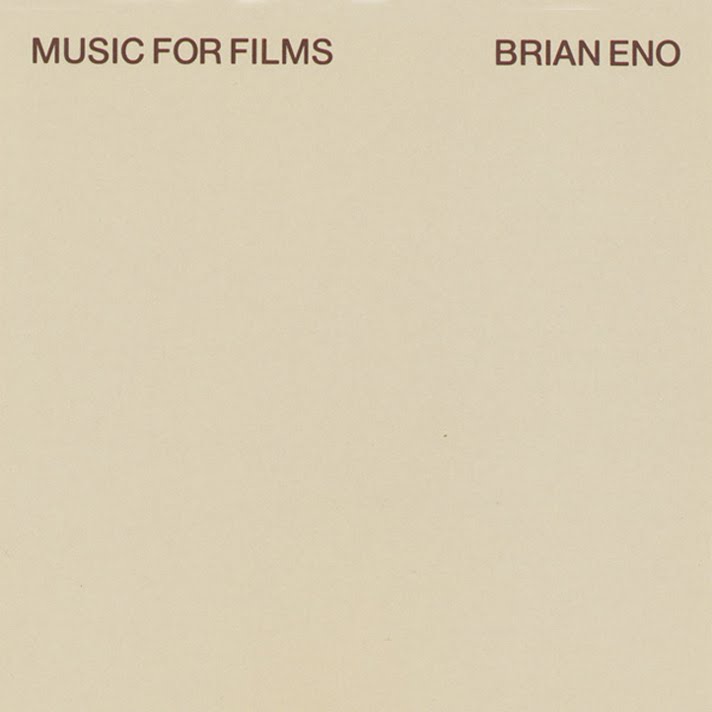
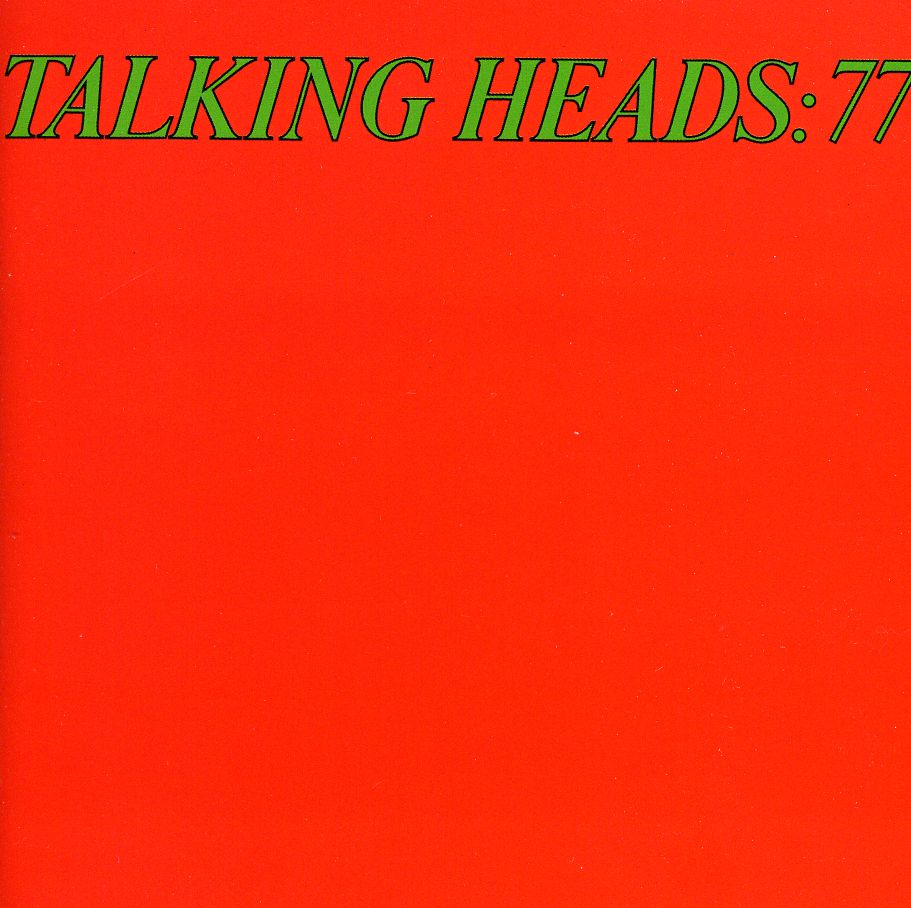
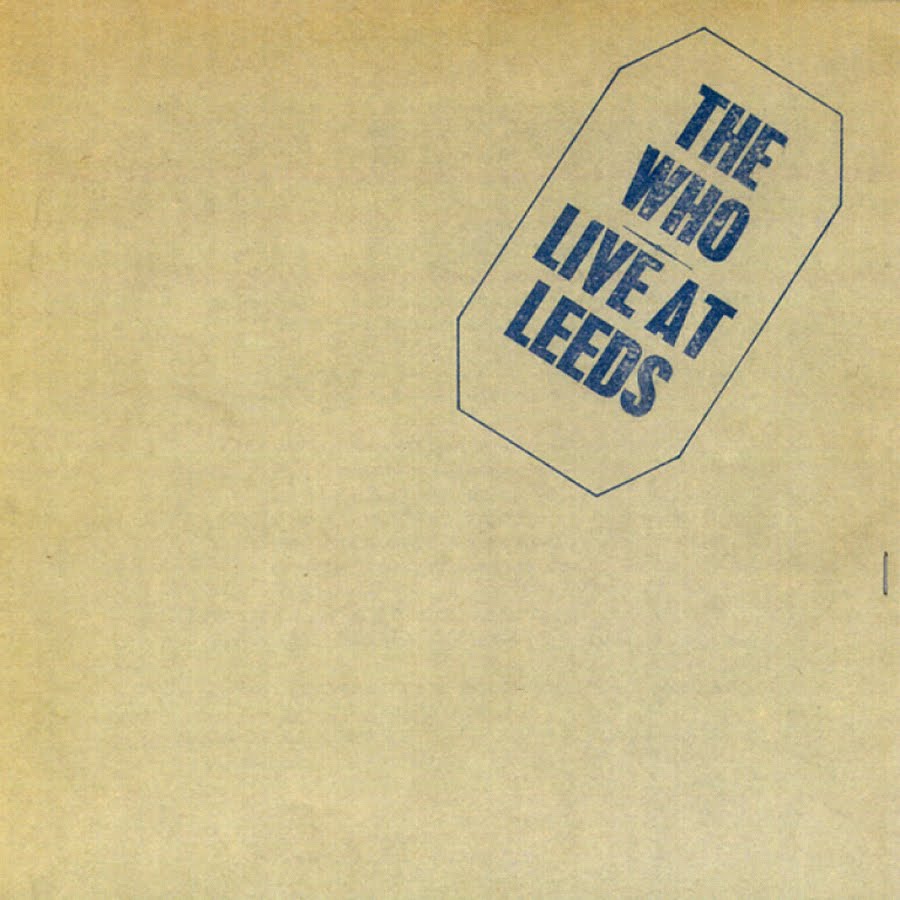
Released in 1968, its cover was a simple and stark contrast to the visual complexity of the Sgt Pepper LP which (at least in Britain) immediately preceded it:TheBeatles68LP

Since that austere, one-colour look with absolutely minimal text there has been more than a few followers to have worked the same theme. Here, in no particular order, are just some of the many:

Brian Eno - Music For Films -Talking HeadsLive at Leeds

Of course, good old plain black has been very popular over the years:Metallica_-_Metallica_coverSpinal+Tap+-+This+Is+Spinal+Tap+-+LP+RECORD-441227The_Roots_-_OrganixDire Straights making_moviesarctic_monkeys_suck_it_and_see_2011_retail_cd-front1gangof4The+Undertones+-+Positive+Touch+-+LP+RECORD-129174The FieldBeggarsBanquetLPOf course, John Lennon’s own Live Peace in Toronto probably qualifies too: john-lennon-live-peace-in-toronto

So too does McCartney’s side project The Fireman with his 1993 release Strawberries Oceans Ships Forest:Fireman_Strawberries_Oceans_Ships_ForestKnow of any more? Let us know.

See also Part 1 and Part 2.

At Last – A Genuine US “Let It Be” LP

I have had in the collection for some time now a record that I thought was an original US pressing of the Beatles Let It Be.

You know the one. It comes in a gatefold cover, red Apple label on the vinyl, catalogue number AR 34001, red Apple on the rear cover:

LET IT BE FRONTLET IT BE REAR

The copy I have had for oh, maybe 30 years, looked genuine enough. That is until I read that this is one of the most counterfeited vinyl records of all time…..

When I started to look into it some more I discovered that what I had in my collection was actually a fake.

And it was only two weeks ago, after finally picking up a genuine copy at a record fair, that I could conduct a side-by-side analysis to spot the differences. Here are the tell-tale signs.

Firstly a close-up of the real cover:DSC01123

And here is the illegal copy:DSC01124

As you can see the skin tones on the photo of George Harrison are much more grainy on the fake. Also notice the white borders around each photo. They are much thicker on the counterfeit.

Next, a close-up of the red Apple label. The genuine copy is first, the fake is second:DSC01115DSC01125

Though this is not a definitive decider, the counterfeit label I have lacks vibrancy. It is washed out and dull. Some stock of legitimate pressings may also have a duller appearance – depending on which Capitol plant they were pressed.

The best proof that you have a legitimate copy is in the run-out area of the vinyl itself. There should be the words “Bell Sound” stamped there on both sides (the fake will not have this). It’s difficult to photograph but here goes. First, Side 1:DSC01117

And Side 2:DSC01121

Genuine Let It Be pressings with the red Apple were mastered at Bell Sound by a guy named Sam Feldman and that’s why you can see his initials “sf” scratched into the vinyl above. Fakes don’t have that Bell Sound stamp, but the people who made the illegal copies did try to imitate the originals by including the “sf” initials too.

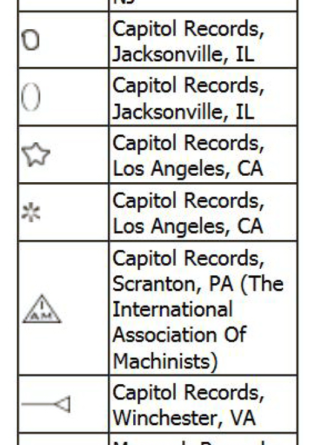
Furthermore, depending on the Capitol pressing plant they originate from, legitimate pressings will have either the letters “IAM” in a triangle (Scranton PA), an asterisk (Los Angeles CA), or a mark that is supposed to resemble a rifle (Winchester VA). One of these will be stamped somewhere in the run-out area of the vinyl. It should be properly machine stamped on both sides.

As you can see, mine is from the Scranton plant so it looks like this:DSC01119The fakers tried to imitate this too – but it they did just a crude drawing which you can see here:

DSC01129(By the way, the “IAM” in the triangle stands for the International Association of Machinists Union whose workers ran the pressing plant).

FYI, here is a handy list of the markings from each of the Capitol pressing plants:screen-shot-2022-04-18-at-5.27.19-pmIt was Sam Feldman who also scribbled the words “Phil + Ronnie” on the dead wax. This was for Phil Spector (who produced Let It Be) and his wife, singer Ronnie Spector:DSC01122

Non-legitimate copies also have “Phil + Ronnie” scratched in the play-out area of the disc but the writing is much smaller.

So that’s it. Your guide to real and fake copies of Let It Be.

The Beatles Tune In – Lewisohn’s New Book Out Today

Volume One of Mark Lewisohn’s new biography of the Beatles is out in the UK today.

The book is called The Beatles: All These Years – Volume One: Tune In. The marketing people have come up with a catch-phrase: Throw away what you think you know and start afresh.

It may well be true.

We’ll know more when we see the book for ourselves – but early reports and reviews are good. They’re saying that there is “….a surprise on every page, a revelation in every second chapter.”

At the moment on the book’s official homepage they are running seven read extracts from the audio edition. Here they are collected on SoundCloud for you:

  1. All These Years – Introduction (Read by Mark Lewisohn)
  2. All These Years – Extract Two (Jim McCartney warns his son Paul that John Lennon will get him into trouble. Read by Mark Lewisohn)
  3. All These Years – Extract Three (The decisive moment in John’s separation from both his father and mother. Read by Clive Mantle)
  4. All These Years – Extract Four (John and Paul meet for the first time. Read by Clive Mantle)
  5. All These Years – Extract Five  (John and Paul welcome young George Harrison’s talents into the mix. Read by Clive Mantle)
  6. All These Years – Extract Six (Paul is growing up fast, and 1958 draws to a colourful close. Read by Clive Mantle)
  7. All These Years  – Extract Seven (Pete Best is unwell so the Beatles grab Ringo Starr as temporary deputy – and enjoy the difference. Read by Clive Mantle)

Beatles - Tune in LogoSee also Mark Lewisohn on YouTube (three short videos) talking about the background to the book, and the different versions which will be available.

The Beatles With Records – Part Twenty

OK, to kick off Part 20 in our series a couple of photographs of the Beatles with records which are going to be tough to solve.

Here Paul is standing in front of a display. The thing is these record covers are all not immediately recognisable as they seem to be from other countries. They would all be from the 1960s. Does anyone have any idea what these discs might be?beatles with records13-tiff

And this one below of John – is that an LP to his left (our right)? This appears to be a photograph taken while the artists known as The Fool give one of John’s pianos a very special paint job. Amongst other things The Fool designed the original inner sleeve for Sgt Pepper, and they did the huge mural which adorned the outside of the Apple Boutique clothing shop in London.

Back to the photo. Is this an LP record cover? You can clearly make out what looks to be the word “Velvet…..”. Or could it be a poster?

beatles with records11-tiff

Let us know if you have any further info on this one.

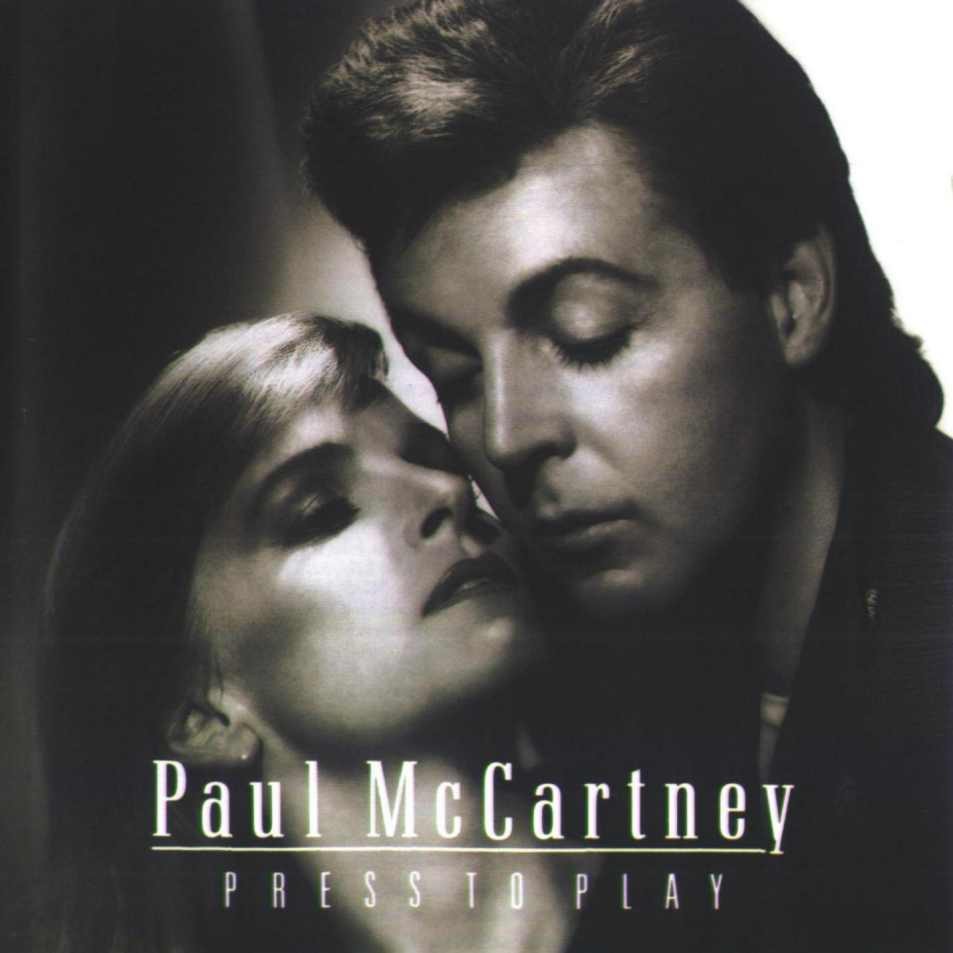
Now onto some easier-to-solve Beatles With Records photos. Firstly to Paul and Linda with a copy of Press to Play, his sixth solo studio album, released August 1986.beatles with records14-tiffpaul-mccartney-press-to-play

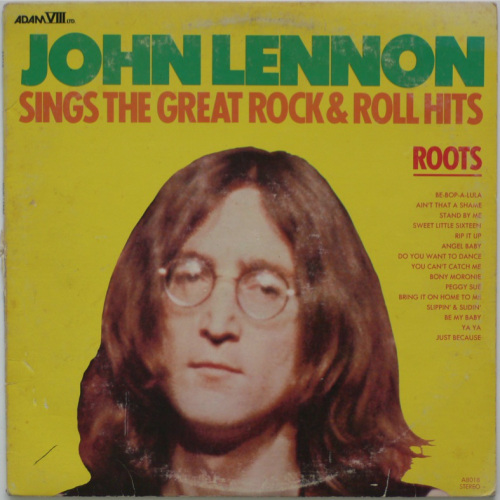
I really don’t know what the occasion is below – Yoko is photographed with a group of young men, one of whom is in a Beatle jacket, and another who is holding up a copy of John’s “legal obligation” disc called John Lennon Sings the Great Rock & Roll Hits (which later, and with much better sound, appeared on Apple Records as Rock ‘n’ Roll):July-2013-1842817rootsYou can read the full story about how this album came into being here. It’s a long and complicated tale….

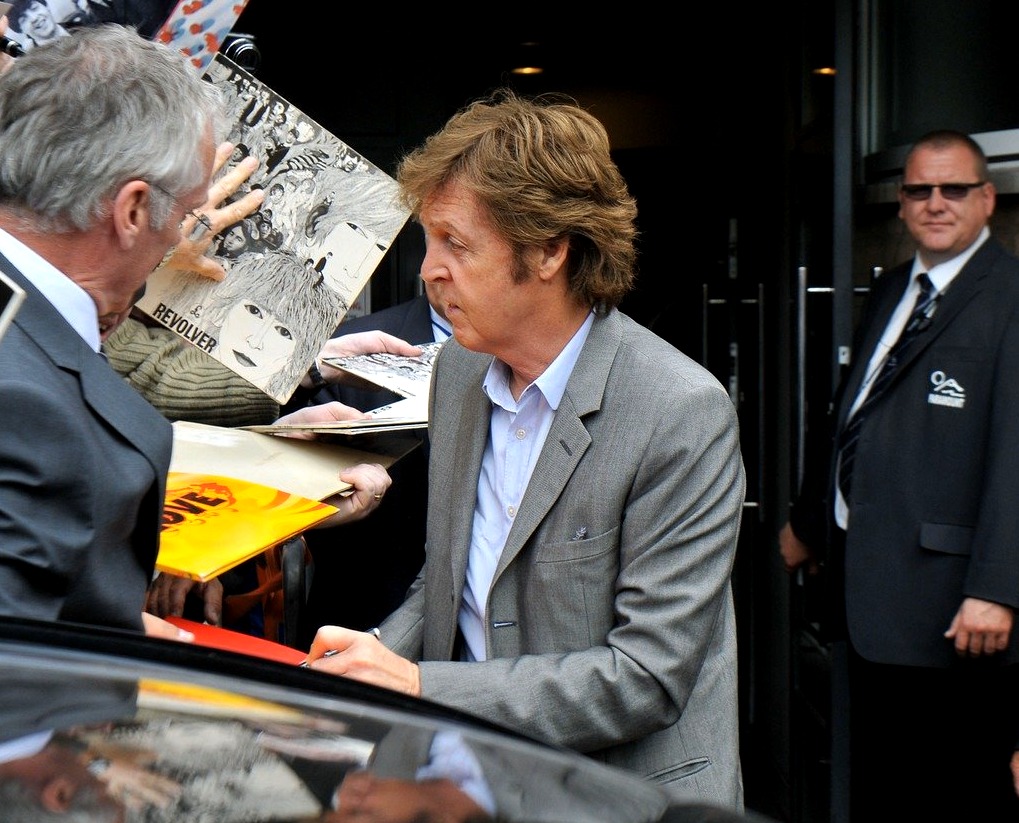
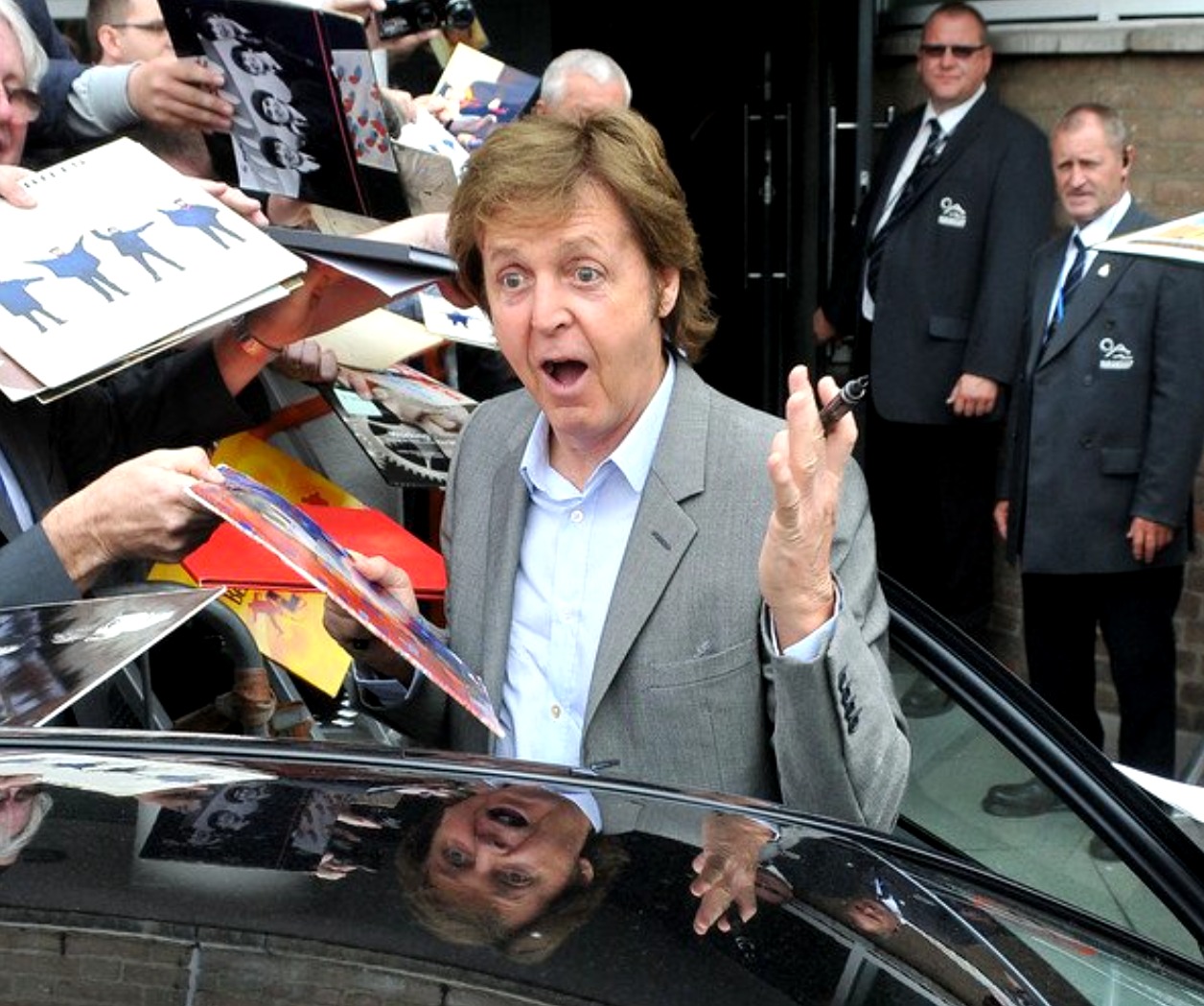
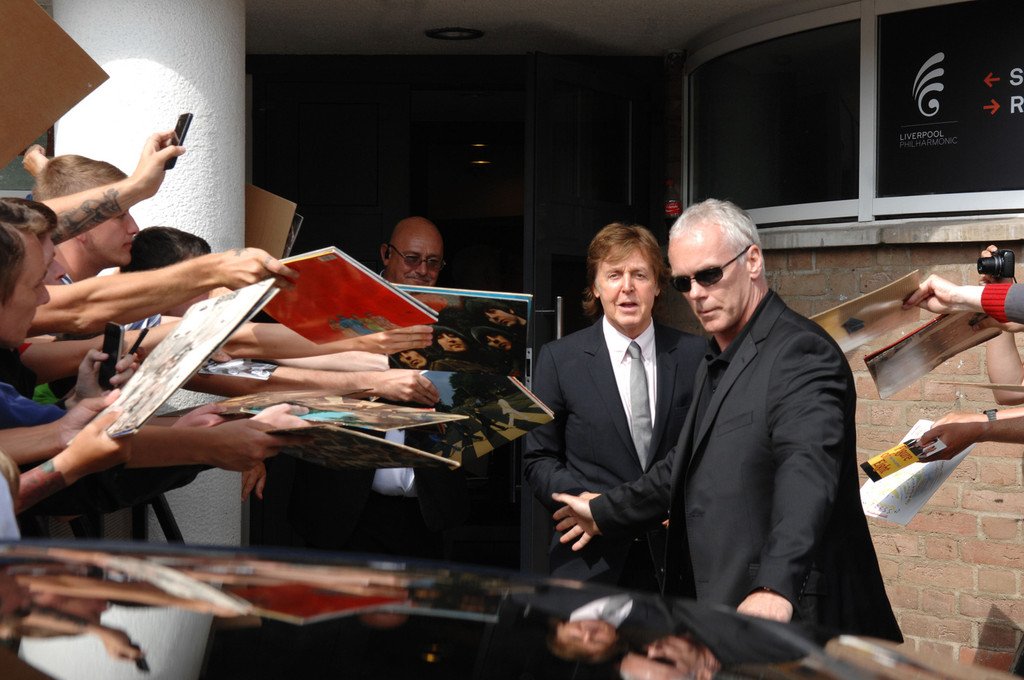
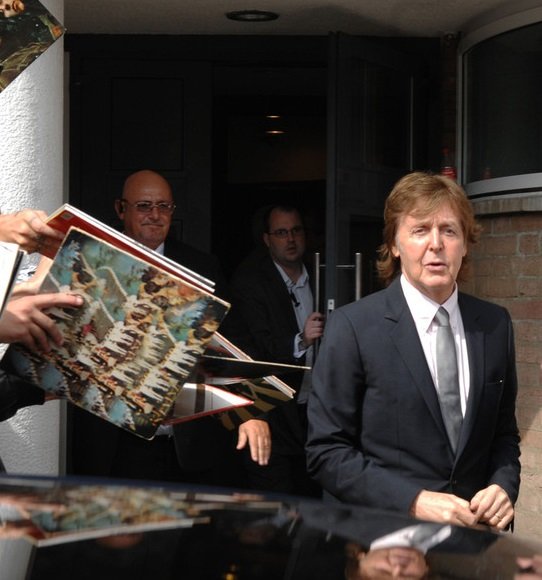
These next photographs are very similar (but taken at a different event) to those photos you may have seen in Part 14 where Paul McCartney is swamped by waiting fans eager for him to sign LP covers.

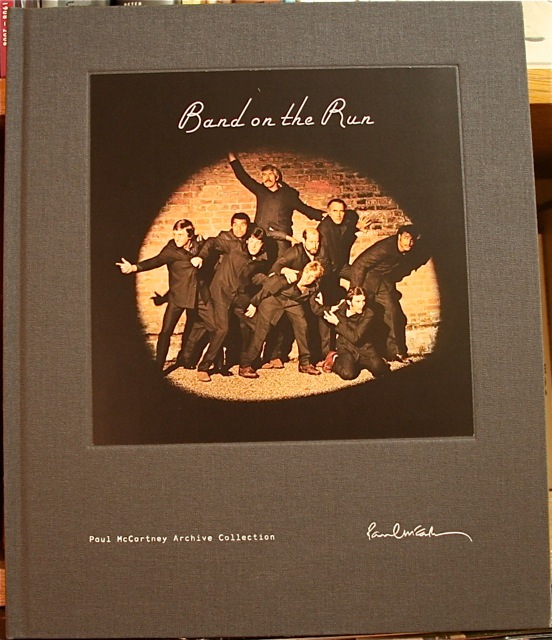
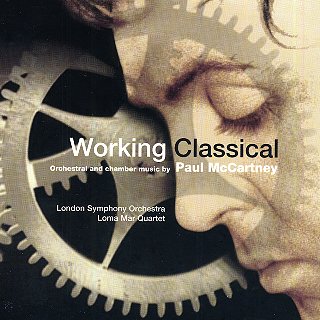
Beatles with records8-tiff beatles with records10-tiffIn the two photos above I can make out at least ten albums, beginning at the top:McCartney 1Beatles-RevolverAnthology1coverwhite-album_coverbeatles_loveFireman_Strawberries_Oceans_Ships_Forestbeatles-helpBand on the Run Archives bookWorkingClassicalCoverTug of War

If you can see any others let us know.

And yet again, another flock of fans hoping for a signature but this time at a different location:McCartney with Records1McCartney with Records3

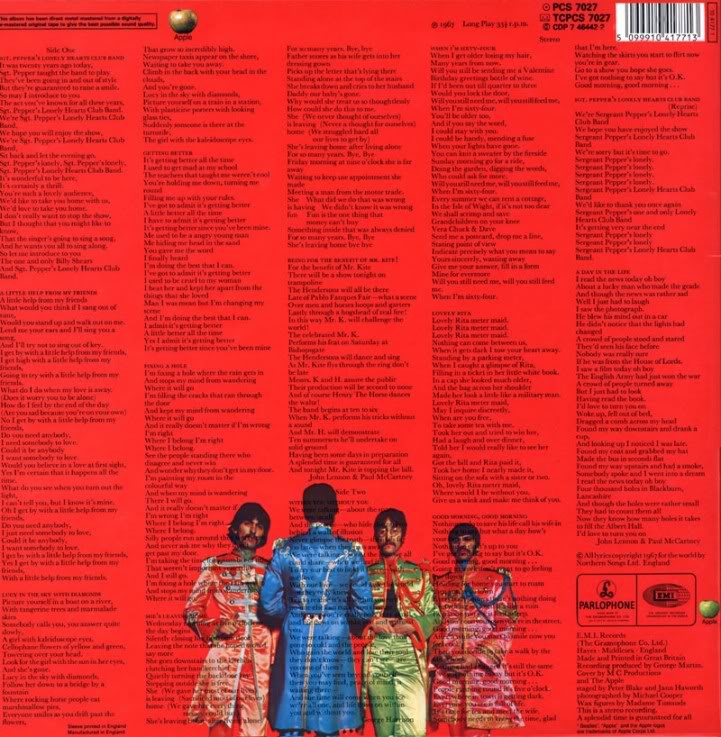
I can make out these titles: pepper-rearrubber_soulBeatles_-_Abbey_RoadBeatles-RevolverMAgical Mystery Tour Rear CoverBeatles19621966At_the_hollywood_bowlFigure of Eight

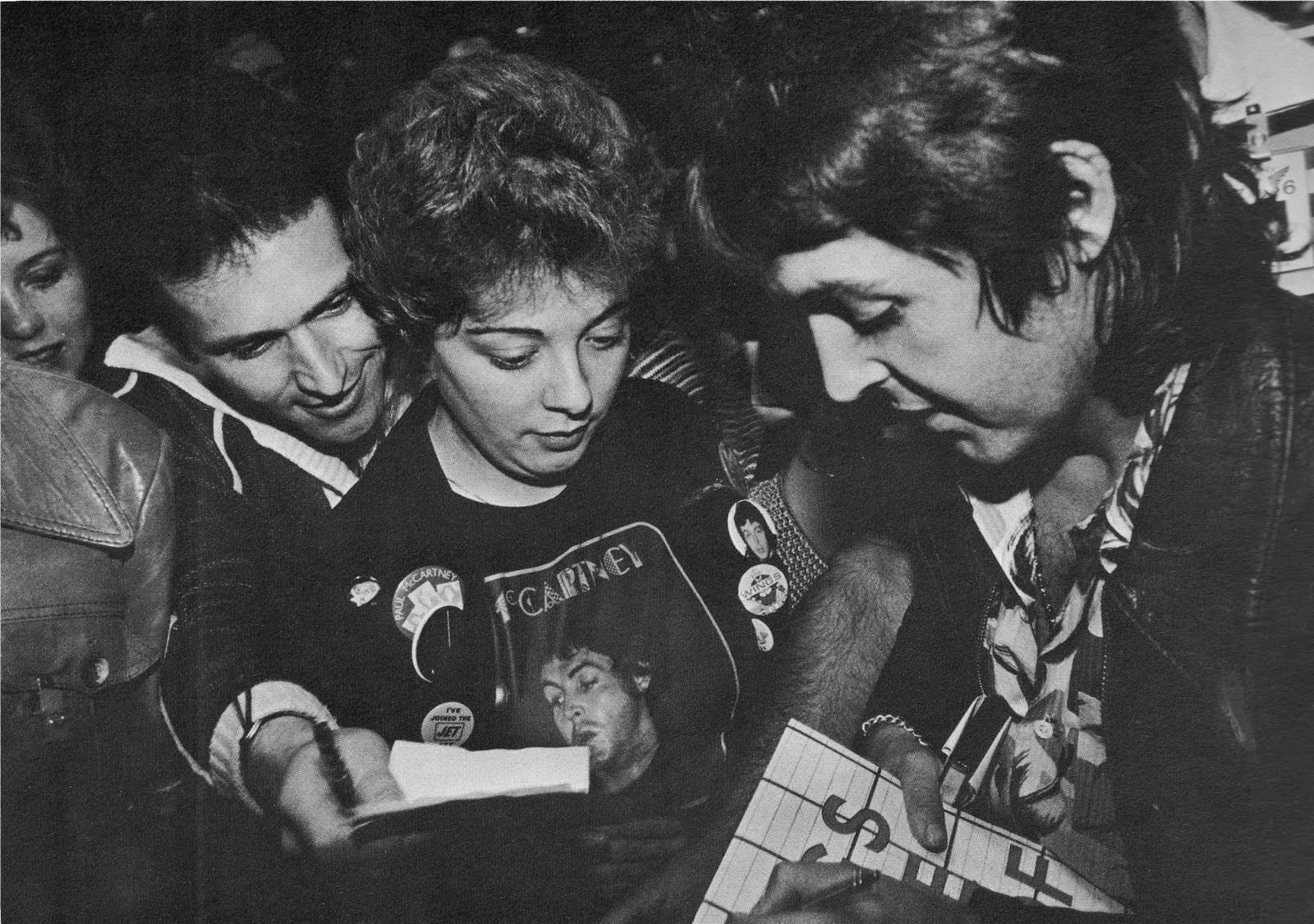
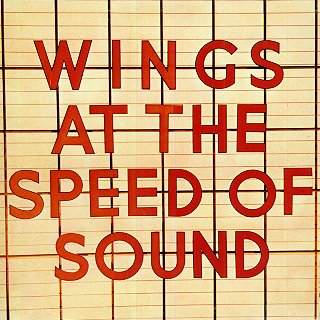
Signings for their fans have always been something the Beatles as a band (and as solo artists) have always embraced. Here’s another of Paul – this time autographing a copy of Wings at the Speed of Sound from 1976:July-2013-1858535WATSOSCoverThis one of George Harrison doesn’t have any records in view (except for the indistinguishable 45 actually on the turntable) – but it has a cool little record player though….and it’s a great shot of GeorgeBeatles With Records GeorgeOne final photo to finish off this installment….obviously taken at the quality control room at the EMI plant in 1965:Beatles With Records-tiff

A big thank you to Andrey in Russia for most of these images. You can see the other parts in The Beatles with Records series here:  12345678910111213141516,17,18 and 19.

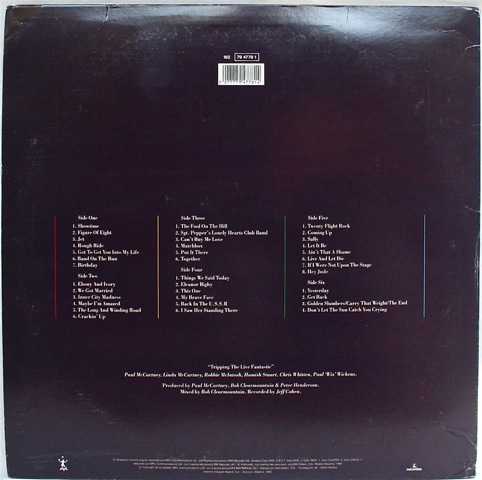
Tripping the Live Fantastic – Triple LP Vinyl

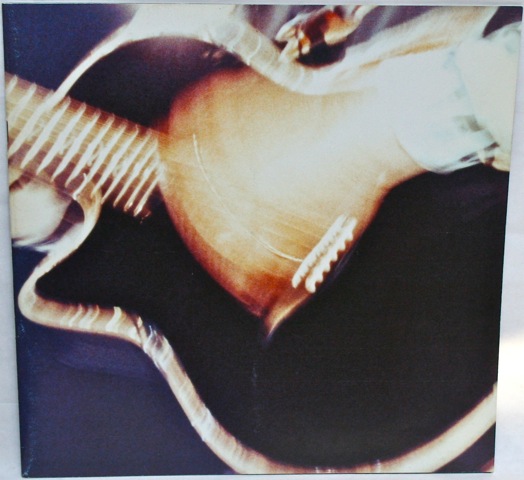
Wings Over America (originally from 1976, and released again this year as part of the Archive Series) isn’t the only triple live LP set Paul McCartney has released. He also did it in 1990 with Tripping the Live Fantasic.TTLF Cover

I’ve just picked up a nice Spanish pressing of this for the collection.

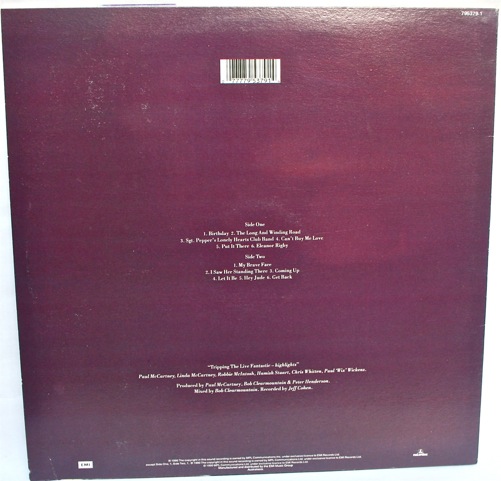
The stripped-down, single disc Tripping the Live Fantastic – Highlights vinyl has been in the collection since it was first released, but never the full triple vinyl deluxe package, complete with its 26 page full-colour booklet, three individual coloured inner-sleeves and custom labels:

TTLF rearTTLF Label

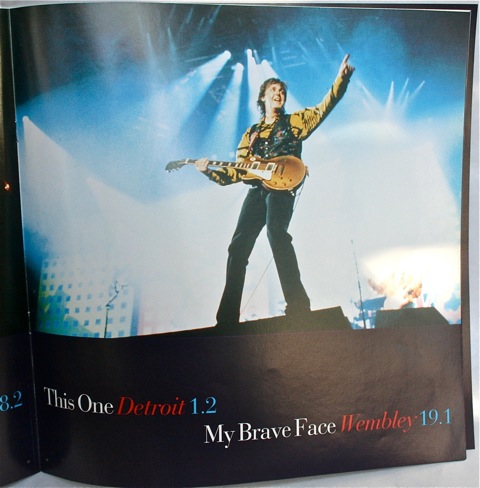
TTLF inner1TTLF inner2TTLF inner3Here’s the front cover of the glossy booklet with some great live photography inside:TTLF booklet frontTTLF booklet2TTLF booklet1This is the cover of the trimmed-down single LP Tripping the Live Fantastic – Highlights:

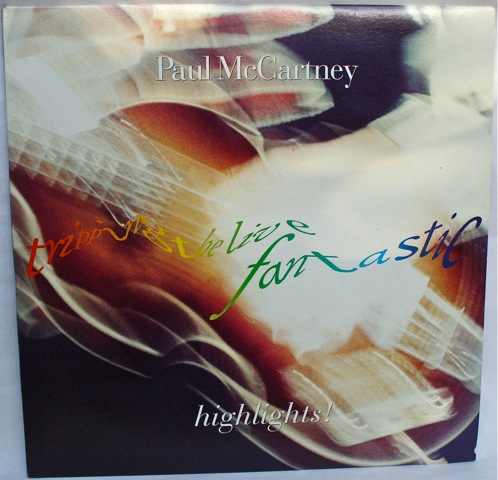
TTLFH Cover

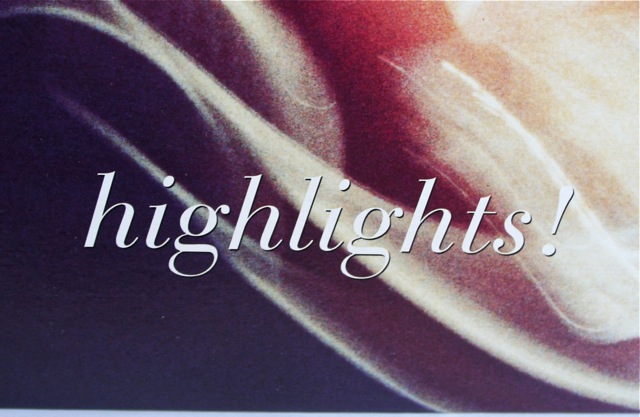
The giveaway of the single vinyl version is the addition of the word “Highlights!” on the front cover:TTLFH detailThis is the Australian vinyl pressing so no custom labels, just the standard black and silver Parlophone issue:

TTLFH LabelTTLFH rear

And the Highlights! inner sleeve:

TTLFH inner

Highlights! was also released as a single CD – but with quite a different track listing having 17 songs instead of just 12 for the vinyl version. The CD adds “Got To Get You Into My Life”, “We Got Married”, “All My Trials” [which is unique to this CD – it doesn’t appear on the vinyl Highlights! LP, or the more complete triple LP/CD versions], “Things We Said Today”, “Back in the U.S.S.R.”, and “Golden Slumbers/Carry That Weight/The End”. However, the LP version has the song “Put It There” included. That makes both interesting, and also a little bit collectable for the completists among us.

The full Tripping the Live Fantastic set was also released as a double CD in a jumbo sized jewel case in most markets (though in the US it was also available in two separate jewel cases). It has the exact same track listing and running order as the vinyl LP.