Flipping through a recent copy of Mojo magazine we noticed this small article:
Being interested in anything Beatles and Apple Records related we decided to do a bit more research.
Yoko Ono’sPlastic Ono Band site has this small promo tile (complete with a grapefruit) – but no links when you click on it:
Same for her Imagine Peace site. Again, there’s the same promo tile on the page but no other information or links, although there is a tiny bit more info as the tile at least lists two record company names:
Chimera Music is Ono’s (and son Sean Lennon’s) record label. A search revealed no further information on their site though. Not sure what Secretly Canadian has to do with the releases (it’s an American independent record label based in Bloomington, Indiana) because there’s no reference to Yoko Ono or Plastic Ono Band on their site either….
Of course these titles have been released previously. The details of that 1997 reissue project are in this MTV article:
“….beginning on May 20th, the label (Rykodisc) will present 11 different Yoko Ono and Plastic Ono Band albums, all of which are being remixed and remastered as needed by Ono herself…..The first wave of releases will be unleashed on May 20 with the four titles, Unfinished Music #1: Two Virgins, an album or tape manipulation and random noises reportedly made the night before Ono and John Lennon made love for the first time; its sequel, Unfinished Music #2: Life With the Lions, which deals with Ono’s subsequent miscarriage and also contains a “song” called “Radio Play,” 12 minutes of random radio dial-turning; the collaborative The Wedding Album, whose second song is a 22 minute drone consisting of the couple calling each other’s name and, finally, the first Plastic Ono Band album, Yoko Ono with the Plastic Ono Band.
The next set of four releases (June 10) contains what many considered to be the first post-punk record (ironic, since it pre-dated punk), the noisy, experimental Fly, credited to Yoko Ono and the Plastic Ono Band. Also released on that day are two other Plastic Ono Band Yoko titles, Approximately Infinite Universe and Feeling the Space. Also included will be Ono’s cathartic, personal album, Season of Glass. July 1st will bring the last set of three releases,It’s Alright (I See Rainbows), Star Peace and A Story, a previously unreleased album that was included in the box set. Ono is currently searching for some appropriate bonus tracks for the releases…”
Rykodisc were also involved with this 1992 6-CD set, Onobox:Yoko Ono herself writes about the contents of this box set extensively here. Onobox is a kind of a “best of” compilation, with tracks from across her own (and John Lennon’s) output from 1968 to 1985.
It’ll be interesting to see what the 2014 project brings….
First up is this Spanish copy. It’s also on the Epic Records label, and has the same white front cover as ours:
But beyond that there are a number of significant differences. Firstly, this one is a rare promo copy. You can see a gold CBS Records promo stamp on the rear cover:
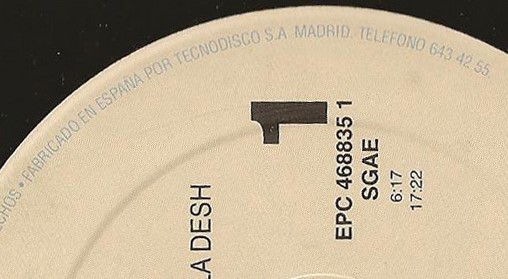
Like the rest of the world, this set was a long time out of print until it was reissued on the Epic label in 1991. In Spain, Epic was part of CBS, hence the CBS golden stamp.
It includes the same CD-sized booklet as our version:
However the labels are in Spanish – different to the standard European release:
Now back to the original 1972 edition, and a rare one from Brazil:
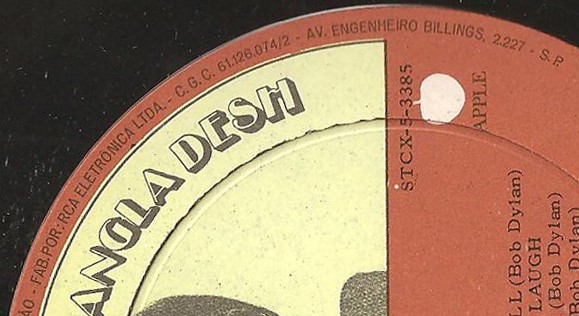
Like for the rest of the world (outside the US) this Brazilian set was also distributed by CBS, but it was pressed by RCA Electrónica Ltd. This is because at the time CBS didn’t have its own pressing plant in Brazil – so they contracted the job out. This set was one of the first stereo albums released by CBS in that country. Unusually, the box it comes in is hinged, not in two separate pieces like US, UK and Australian editions. The box set has the usual external design, but note the different catalogue number printed on the spine:
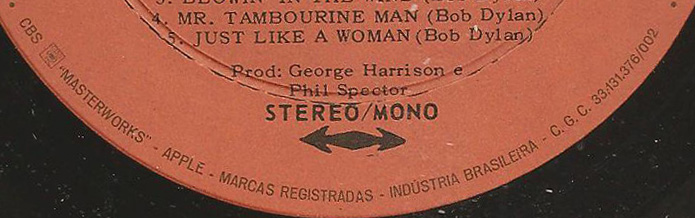
This edition doesn’t include the booklet at all. It has a track list (in English) and credits (in Portuguese) printed on two inserts glued inside the front and of rear of box, which is impossible to scan. Here is the label for Side 1:
Note the words “CBS Masterworks-Apple” and “Fab por: RCA Electronica Ltda” on the labels:
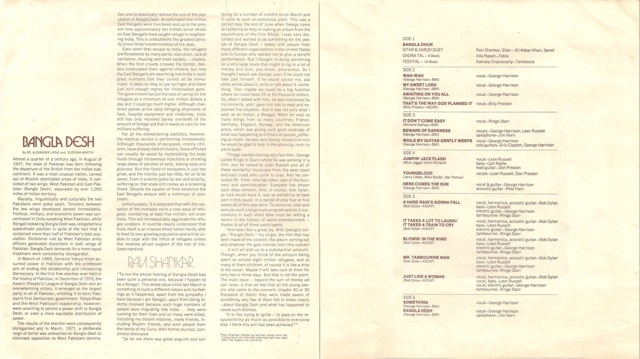
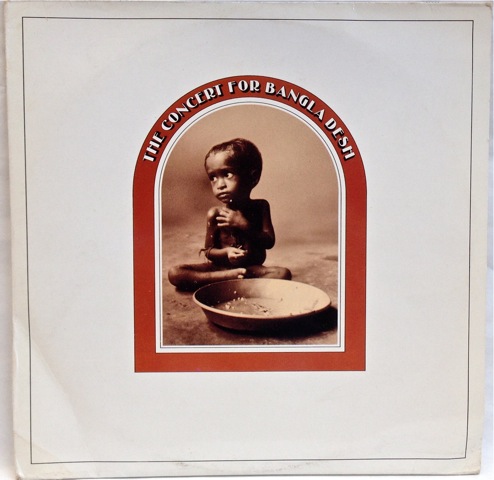
Finally, this 1972 Israeli set is very different from other worldwide releases. Here are some of the most noticeable differences. Firstly, the front of the box has a much lighter orange colour than all other editions:
This is a unique box because it has a plain white rear:
The set doesn’t include the usual 12″ booklet, but it has a 4-page monochrome insert (25 cm wide x 27 cm high):
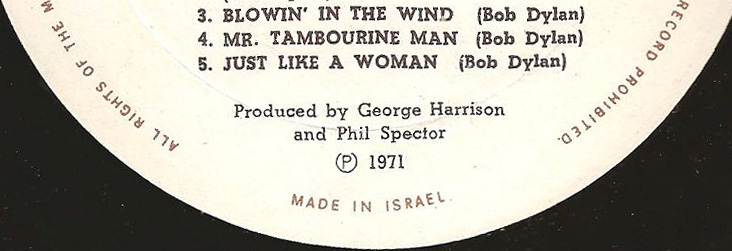
And it has unique white labels, even though this is not a promotional album:
Thanks so much to Beatles Blog reader Manuel Garcia Jara for all this info and for sending the images.
Plans for the 50th anniversary of the Beatles conquering the US and the world are starting to gather pace.
Looks like there’s now an official logo for the 2014 celebrations:
The big news though is that Capitol Records and Apple Corps have just officially announced the release of The U.S. Albums, a new 13 CD Beatles collection spanning from 1964’s Meet The Beatles! to 1970’s Hey Jude.
The box set (as well as individual CDs “for a limited time”) will be released in the UK on January 20, on January 21 in North America, and on January 17 in Australia:
Great to see The Beatles’ Story included in there. And if you check the photo above (and promo video below) you can see that Yesterday and Today comes with what looks like a peel-off Butcher Cover!
Here’s the EMI Australia press release with the details:
LADIES AND GENTLEMEN, THE BEATLES!
Celebrate 50 Years of Globe-Sweeping “Beatlemania” The U.S. Box Set out January 17, 2014
On February 7, 1964, The Beatles arrived at New York’s John F. Kennedy Airport, greeted by scores of screaming, swooning fans who rushed the gate to catch a glimpse of John Lennon, Paul McCartney, George Harrison and Ringo Starr as they took their first steps on American soil. Two nights later, on Sunday, February 9, 74 million viewers in the U.S. and millions more in Canada tuned in to CBS to watch The Beatles make their American television debut on “The Ed Sullivan Show.” In this cultural watershed moment in American history and one of the world’s top-viewed television events of all time, The Beatles performed five songs on the live broadcast. “Beatlemania,” already in full, feverish bloom in The Beatles’ native U.K., was unleashed with blissful fervor across America and around the world. The British Invasion had begun.
To commemorate the 50th anniversary of these history-making events, The U.S. Albums, a new 13CD Beatles collection spanning 1964’s Meet The Beatles! to 1970’s Hey Jude, will be released January 17 by Apple Corps Ltd./Capitol. The Beatles’ U.S. albums differed from the band’s U.K. albums in a variety of ways, including different track lists, song mixes, album titles, and art.
The albums are presented in mono and stereo, with the exception of The Beatles’ Story and Hey Jude, which are in stereo only. Collected in a boxed set with faithfully replicated original LP artwork, including the albums’ inner sleeves, the 13 CDs are accompanied by a 64-page booklet with Beatles photos and promotional art from the time, as well as a new essay by American author and television executive Bill Flanagan. For a limited time, all of the albums (with the exception of The Beatles’ Story, an audio documentary album) will also be available for individual CD purchase. A Hard Day’s Night (Original Motion Picture Soundtrack), The Beatles’ Story, Yesterday And Today, Hey Jude, and the U.S. version of Revolver make their CD debuts with these releases.
By the end of 1963, before The Beatles’ American arrival, “Beatlemania” had already sprung forth across the Atlantic to take root in the U.S. In early December, The New York Times published a Sunday magazine feature and “CBS Evening News” aired an in-depth report about the unprecedented frenzy over the young band from Liverpool. Radio stations across the U.S. began to play The Beatles’ latest U.K. singles in almost non-stop rotation, trying to meet an insatiable listener demand. Capitol Records rushed out the American single for “I Want To Hold Your Hand” (with B-side “This Boy”) on December 26, three weeks ahead of schedule and one month after the single’s U.K. release. More than one million copies of the U.S. single were sold within 10 days.
On January 3, 1964 Capitol released “Please Please Me” (with B-side “From Me To You”), and The Beatles’ first Capitol album, Meet The Beatles!, followed on January 20. After achieving the No. 1 chart position for five consecutive weeks in the U.K., “I Want To Hold Your Hand” reached the top of the U.S. singles chart on February 1, holding the No. 1 position for seven consecutive weeks, and within two months, more than 3.5 million copies of Meet The Beatles! were sold in the U.S.
[Note: The paragraph above is not correct. The online press release correctly states: In early January 1964, Vee-Jay reissued “Please Please Me” (with B-side “From Me To You”), and Swan reissued “She Loves You.” The Beatles’ first Capitol album, Meet The Beatles!, followed on January 20. After achieving the No. 1 chart position for five consecutive weeks in the U.K., “I Want To Hold Your Hand” reached the top of the U.S. singles chart on February 1, holding the No. 1 position for seven consecutive weeks, and within two months, more than 3.5 million copies of Meet The Beatles! were sold in the U.S.]
The excitement of The Beatles’ February 7 arrival in New York, where they were met by an estimated 3,000 ecstatic fans at the airport, was documented by the world’s leading media outlets, beamed around the world in a blitz of news bulletins and photos. Every move The Beatles made, and seemingly every word they uttered, was captured – melting hearts of young fans everywhere who simply could not get enough of these charming, witty and stylish British boys and their electrifying new songs. America’s biggest star of the day, Elvis Presley, sent The Beatles a telegram wishing them well for their national television debut.
Ed Sullivan spoke of the unprecedented frenzy in his memorable first introduction of The Beatles, saying, “Now, yesterday and today our theater’s been jammed with newspapermen and hundreds of photographers from all over the nation, and these veterans agreed with me that this city never has witnessed the excitement stirred by these youngsters from Liverpool who call themselves The Beatles.”
After captivating North America with their Ed Sullivan debut, The Beatles traveled to Washington, DC, performing their first Stateside concert on February 11 at the Washington Coliseum to 8,000 fans in the round. The Beatles then returned to New York for two sold-out Carnegie Hall concerts on February 12. On February 16, they made their second appearance on “The Ed Sullivan Show” in a live broadcast from The Deauville Hotel in Miami Beach, Florida. Viewership for the episode was nearly as strong as for their debut one week prior, with an estimated 70 million people — 40% of the American population — tuned in to watch their performances of six songs. On February 22, The Beatles returned to England in triumph, welcomed home upon their 7am landing at London’s Heathrow Airport by an estimated 10,000 fans.
The Beatles were now firmly in place as the world’s favorite and most famous band. Their third “Ed Sullivan Show” appearance, a three-song performance taped prior to the band’s live debut on the program, was broadcast on February 23. Billboard’s Hot 100 Singles chart for April 5, 1964 was graced by 12 Beatles songs, including the chart’s Top 5 positions, a sweep of the chart’s summit that has not been achieved by any other artist since. The band’s meteoric rise to unparalleled fame continued as “Beatlemania” swept the globe, a singular and boundless cultural marvel. The Beatles now belonged to the People, as they have ever since, with their universally-loved music and unflagging respect for humankind, advocating peace and love for all people around the world. (ends.)
We’ve detailed at least one very unusualGeorge HarrisonConcert for Bangladesh 3 LP set before. (After a bit of detective work by our readers we discovered that that one came from South Africa).
And we picked up a nice US pressing of Bangladesh in San Francisco earlier this year.
But this latest addition to the collection is, we think, a bit of a rarity.
It’s the Epic Records release dating from 1991. The story goes that Epic, which is a subsidiary of Sony Music, had a royalties deal back then with Columbia/EMI (and hence Apple Records), to release some of their titles for the European market. The records we see here were made in Holland.
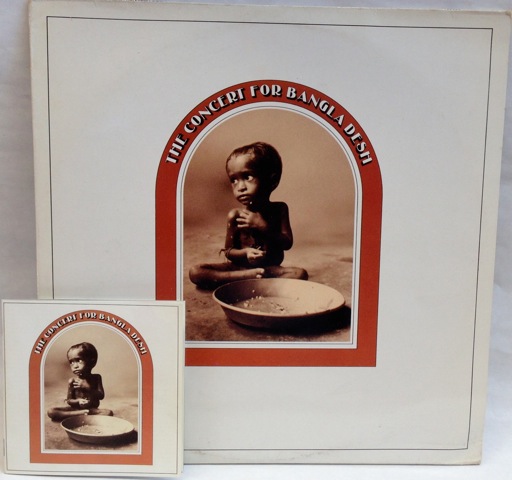
As you can see the Epic set doesn’t come in a brown/orange box. The 3 LPs are housed in a white sleeve that reproduces the artwork used for the booklet which came with the original 1971 Apple release:
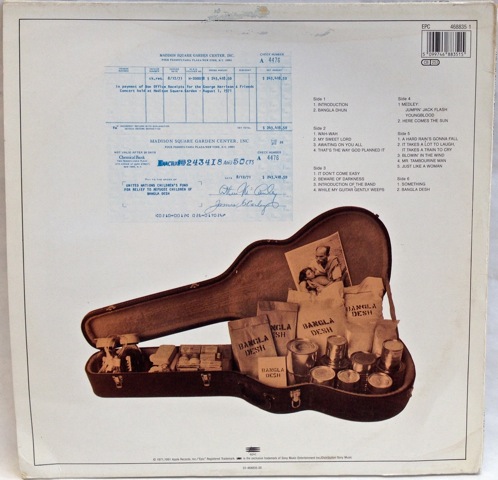
The rear cover is like the rear of the Apple booklet – but it has a track list included:
The inner sleeves are plain white:
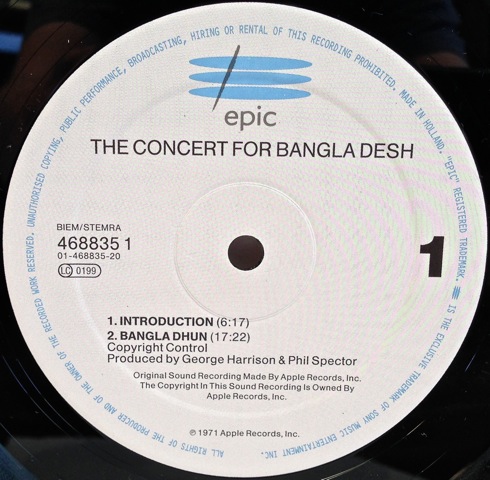
The 3 LPs are on an Epic Records label (with a small Apple Records licence mention at the bottom):
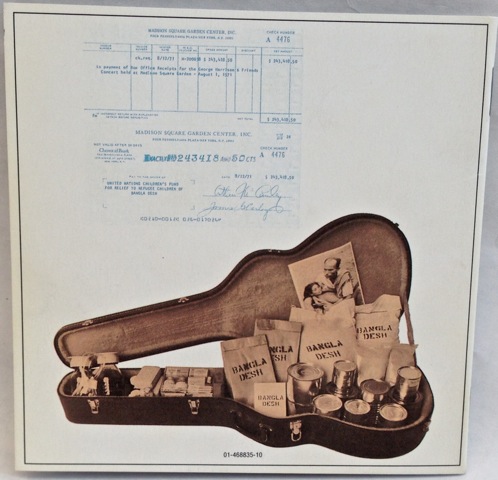
Surprisingly this Epic set includes a CD-sized booklet, not the original 12″ sized booklet. It’s not exactly the same as the booklet used in the Epic 2CD release (which also came out in 1991) because it has an LP catalogue number inserted on the rear (below the guitar case):A close-up of the booklet (click image to see a larger version):
I have had in the collection for some time now a record that I thought was an original US pressing of the BeatlesLet It Be.
You know the one. It comes in a gatefold cover, red Apple label on the vinyl, catalogue number AR 34001, red Apple on the rear cover:
The copy I have had for oh, maybe 30 years, looked genuine enough. That is until I read that this is one of the most counterfeited vinyl records of all time…..
When I started to look into it some more I discovered that what I had in my collection was actually a fake.
And it was only two weeks ago, after finally picking up a genuine copy at a record fair, that I could conduct a side-by-side analysis to spot the differences. Here are the tell-tale signs.
Firstly a close-up of the real cover:
And here is the illegal copy:
As you can see the skin tones on the photo of George Harrison are much more grainy on the fake. Also notice the white borders around each photo. They are much thicker on the counterfeit.
Next, a close-up of the red Apple label. The genuine copy is first, the fake is second:
Though this is not a definitive decider, the counterfeit label I have lacks vibrancy. It is washed out and dull. Some stock of legitimate pressings may also have a duller appearance – depending on which Capitol plant they were pressed.
The best proof that you have a legitimate copy is in the run-out area of the vinyl itself. There should be the words “Bell Sound” stamped there on both sides (the fake will not have this). It’s difficult to photograph but here goes. First, Side 1:
And Side 2:
Genuine Let It Be pressings with the red Apple were mastered at Bell Sound by a guy named Sam Feldman and that’s why you can see his initials “sf” scratched into the vinyl above. Fakes don’t have that Bell Sound stamp, but the people who made the illegal copies did try to imitate the originals by including the “sf” initials too.
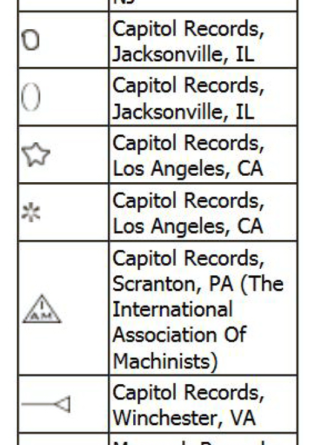
Furthermore, depending on the Capitol pressing plant they originate from, legitimate pressings will have either the letters “IAM” in a triangle (Scranton PA), an asterisk (Los Angeles CA), or a mark that is supposed to resemble a rifle (Winchester VA). One of these will be stamped somewhere in the run-out area of the vinyl. It should be properly machine stamped on both sides.
As you can see, mine is from the Scranton plant so it looks like this:The fakers tried to imitate this too – but it they did just a crude drawing which you can see here:
(By the way, the “IAM” in the triangle stands for the International Association of Machinists Union whose workers ran the pressing plant).
FYI, here is a handy list of the markings from each of the Capitol pressing plants:It was Sam Feldman who also scribbled the words “Phil + Ronnie” on the dead wax. This was for Phil Spector (who produced Let It Be) and his wife, singer Ronnie Spector:
Non-legitimate copies also have “Phil + Ronnie” scratched in the play-out area of the disc but the writing is much smaller.
So that’s it. Your guide to real and fake copies of Let It Be.
OK, to kick off Part 20 in our series a couple of photographs of the Beatles with records which are going to be tough to solve.
Here Paul is standing in front of a display. The thing is these record covers are all not immediately recognisable as they seem to be from other countries. They would all be from the 1960s. Does anyone have any idea what these discs might be?
And this one below of John – is that an LP to his left (our right)? This appears to be a photograph taken while the artists known as The Fool give one of John’s pianos a very special paint job. Amongst other things The Fool designed the original inner sleeve for Sgt Pepper, and they did the huge mural which adorned the outside of the Apple Boutique clothing shop in London.
Back to the photo. Is this an LP record cover? You can clearly make out what looks to be the word “Velvet…..”. Or could it be a poster?
Let us know if you have any further info on this one.
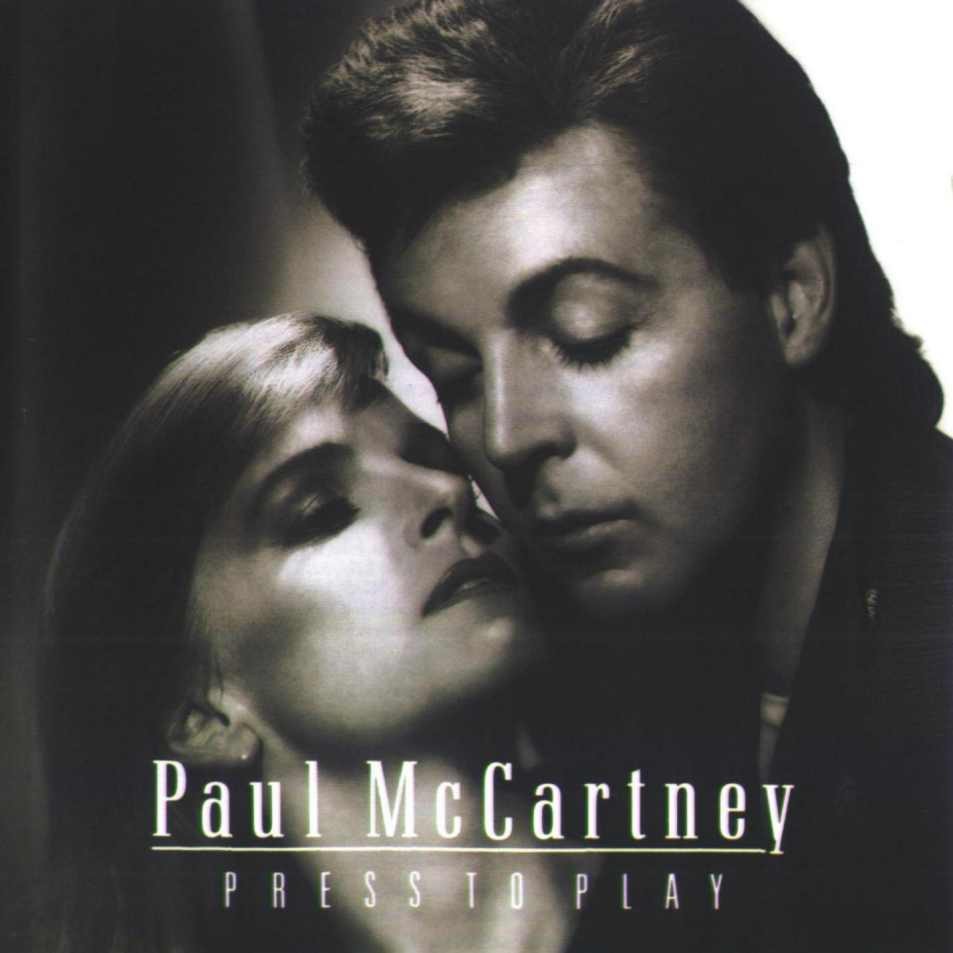
Now onto some easier-to-solve Beatles With Records photos. Firstly to Paul and Linda with a copy of Press to Play, his sixth solo studio album, released August 1986.
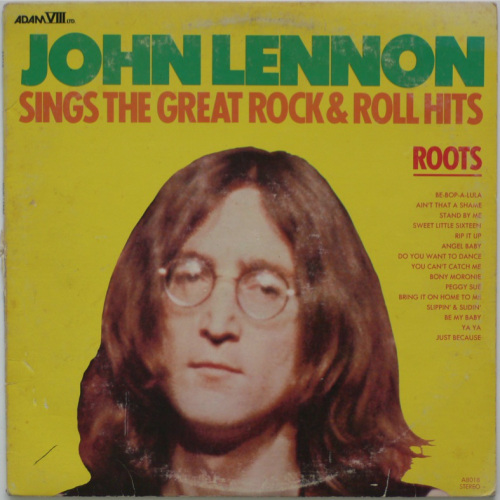
I really don’t know what the occasion is below – Yoko is photographed with a group of young men, one of whom is in a Beatle jacket, and another who is holding up a copy of John’s “legal obligation” disc called John Lennon Sings the Great Rock & Roll Hits (which later, and with much better sound, appeared on Apple Records as Rock ‘n’ Roll):You can read the full story about how this album came into being here. It’s a long and complicated tale….
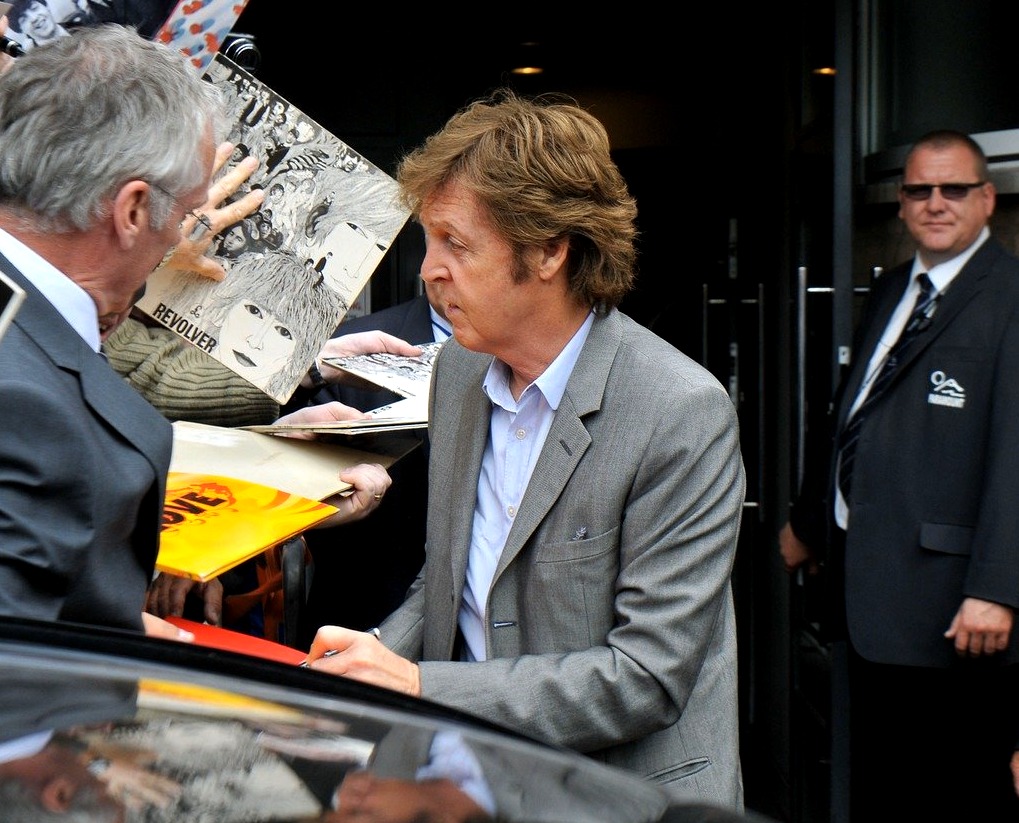
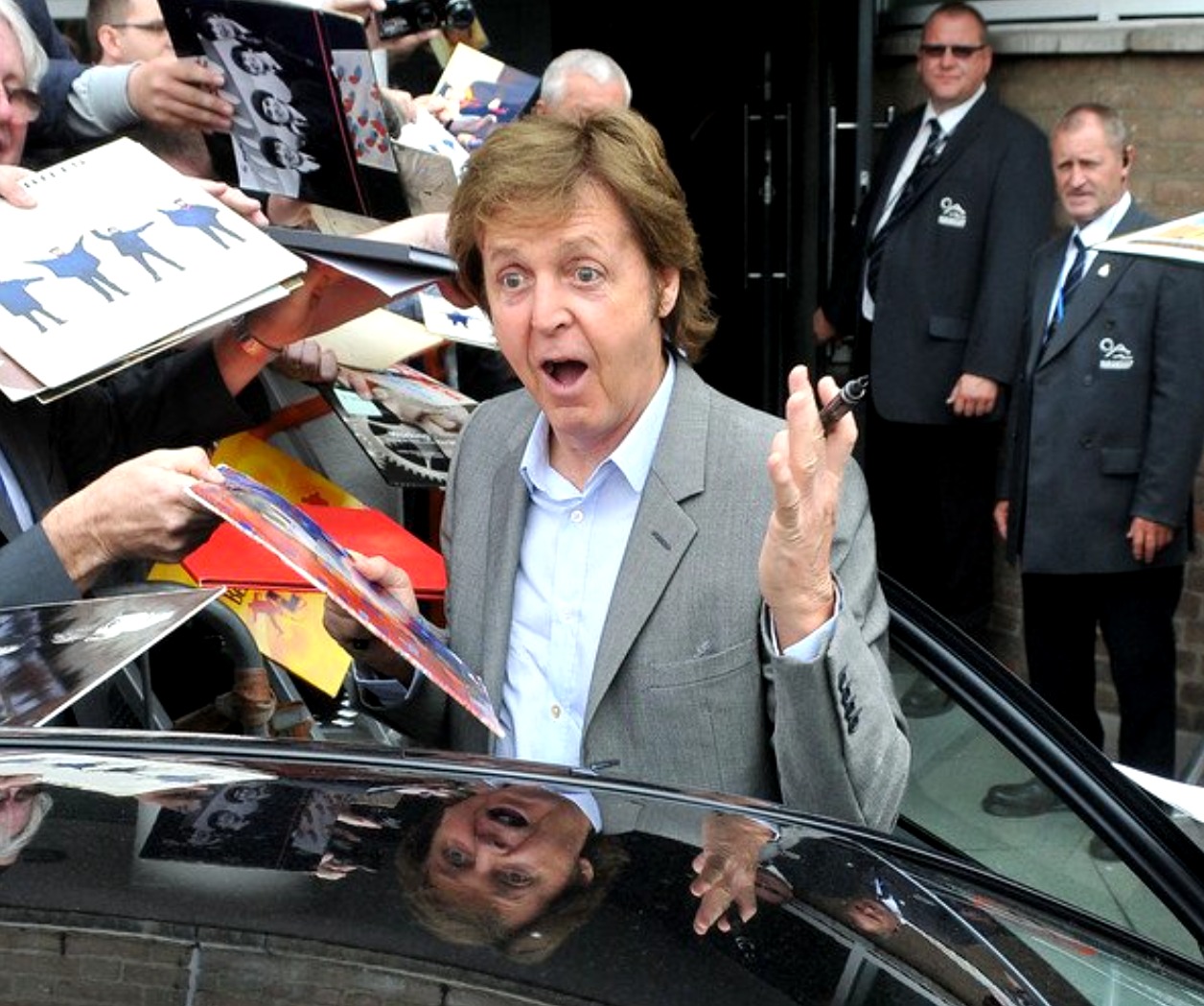
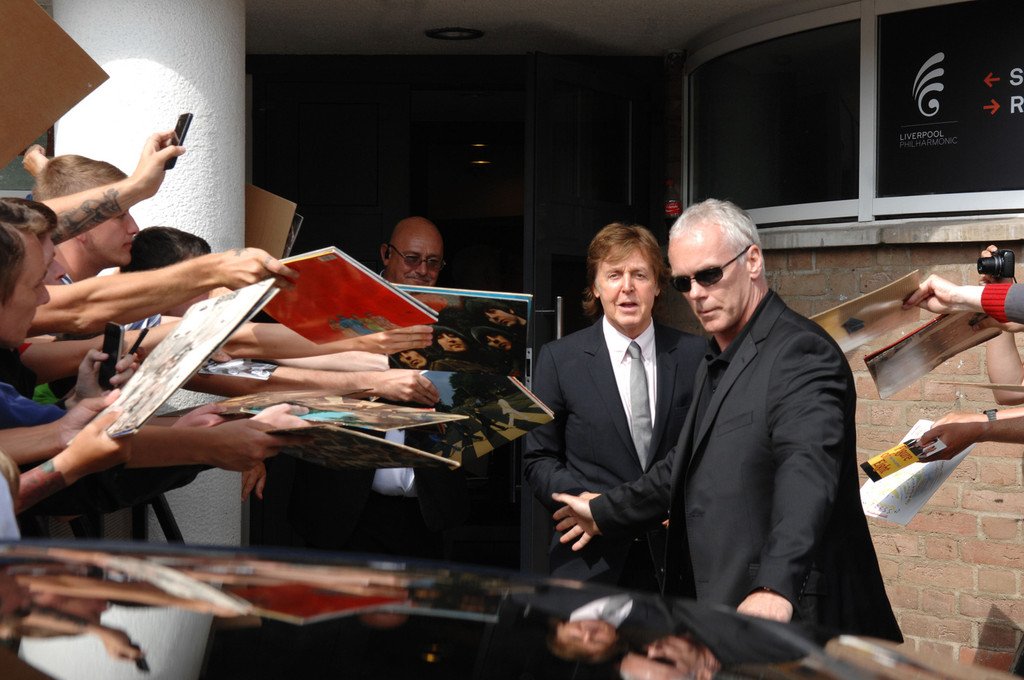
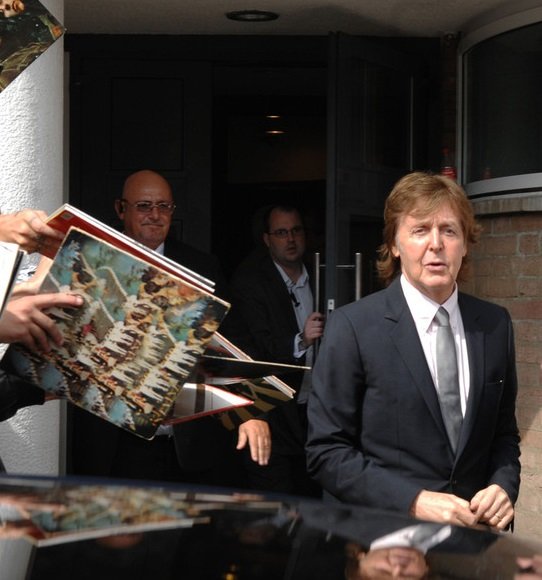
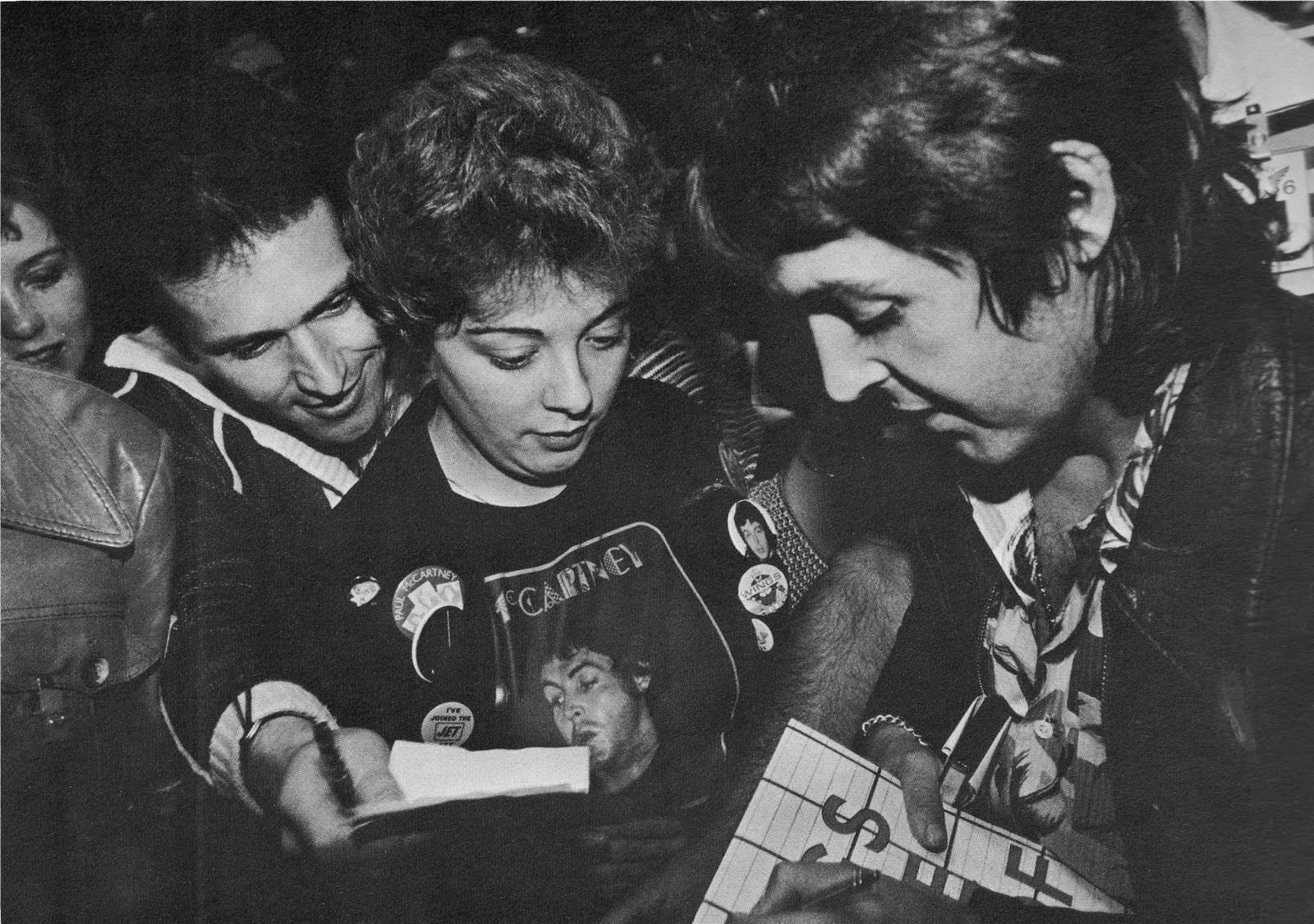
These next photographs are very similar (but taken at a different event) to those photos you may have seen in Part 14 where Paul McCartney is swamped by waiting fans eager for him to sign LP covers.
In the two photos above I can make out at least ten albums, beginning at the top:
If you can see any others let us know.
And yet again, another flock of fans hoping for a signature but this time at a different location:
I can make out these titles:
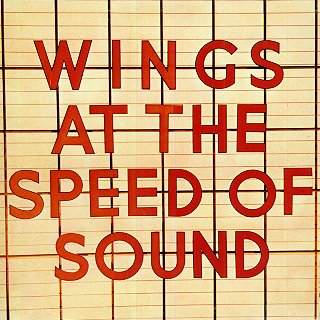
Signings for their fans have always been something the Beatles as a band (and as solo artists) have always embraced. Here’s another of Paul – this time autographing a copy of Wings at the Speed of Sound from 1976:This one of George Harrison doesn’t have any records in view (except for the indistinguishable 45 actually on the turntable) – but it has a cool little record player though….and it’s a great shot of George: One final photo to finish off this installment….obviously taken at the quality control room at the EMI plant in 1965:
A big thank you to Andrey in Russia for most of these images. You can see the other parts in The Beatles with Records series here: 1, 2, 3, 4, 5, 6, 7, 8, 9, 10, 11, 12, 13, 14, 15, 16,17,18 and 19.
It’s not often you see 7-inch, 45rpm Beatles vinyl for sale at garage sales anymore. There are occasionally one or two, but they are now getting few and far between.
That’s why I was surprised this week when I asked after records at a local garage sale and the guy went into his house and brought out crate after crate of the small, vinyl gems. He had literally hundreds of 45’s – all pop and rock artists ranging from the 60s, 70’s and 80’s.
It took me quite a while to look through them all but the task produced a couple of nice items. Some I already owned, but others I didn’t have in my collection – so it was very worthwhile.
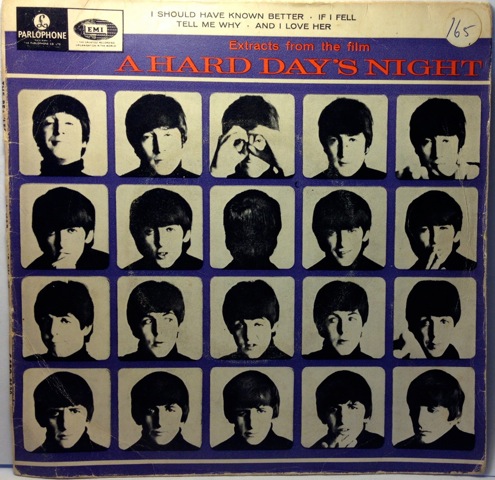
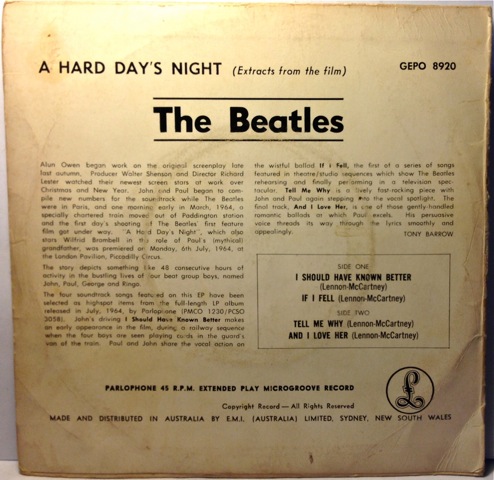
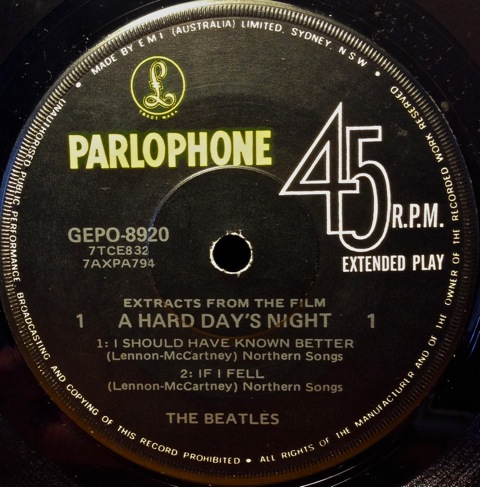
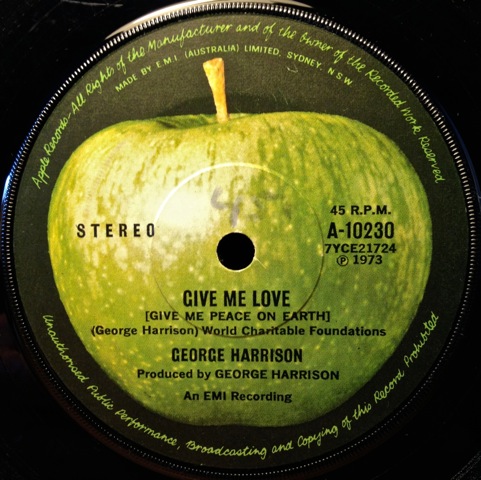
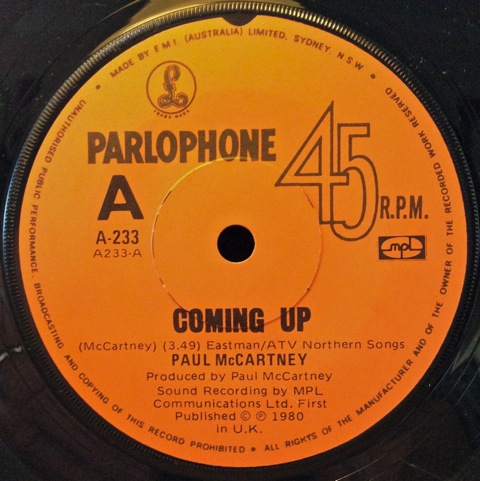
Here’s what came out of crates (in release date chronological order). First up, an Extended Play – four songs – from A Hard Day’s Night (1964):
Then came a copy of the BeatlesRock and Roll Music single (1965):
These next few have the release date displayed on the label:
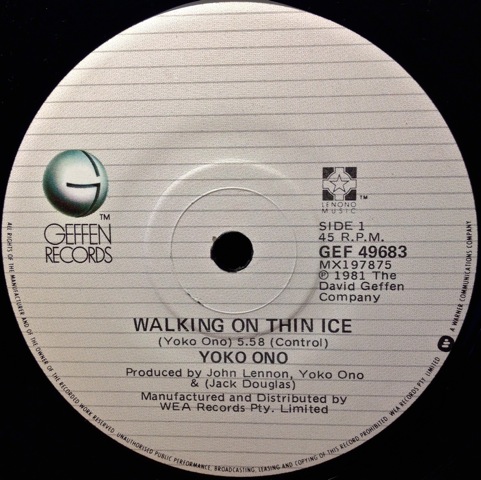
This next one, Yoko Ono’s Walking on Thin Ice (1981) comes in a picture cover:
All the above are Australian pressings (except the John and YokoHappy Xmas which is British). There was though one odd item in the crates. It was just the sleeve (no record inside unfortunately) of a French EP from 1964 with four songs:
I’ll keep it – in the hope of finding the correct record to go inside it one day….
One of the reasons I got into this Beatles collecting caper, apart from a love of the music, was that I became fascinated by the band setting up their very own record label – Apple Records.
The Beatles were amongst the first, if not the first, band to do so and (apart from themselves) they signed up an eclectic range of artists to the label.
In the UK there seems to have been two versions of this.
One was in a stronger, hard plastic outer case. Examples of this version were very limited, and these were hand-delivered to dignitaries like Stanley Gortikov, President of Capitol Records in 1968; to Her Majesty the Queen at Buckingham Palace; to her sister Princess Margaret at Kensington Palace; to the Queen Mother at St James’s Palace; and to the then British Prime Minister Harold Wilson at Number 10 Downing Street, London. The plastic box set looked like this:
The other, lower cost version was posted to radio disc jockeys, music journalists and critics. It was in a cheaper, thin black cardboard box.
Both versions contained four singles: The Beatles “Hey Jude/Revolution” (R 5722); Mary Hopkin “Those Were the Days” (APPLE 2); Jackie Lomax “Sour Milk Sea” (APPLE 3); and The Black Dyke Mills Band “Thingumybob” (APPLE 4).
Each single was accompanied by a press release printed on the outside of a coloured folder containing an artist photo and a plastic sleeve to hold the record.
The reason for this post is that a copy of the cardboard “Our First Four” has just sold on Ebay for an impressive AU$6,199 (that’s US$5,700, or £3,643 UK Pounds).
The price it fetched is testament to it’s rarity. And as it is not often seen (and because the listing had such a good selection of photos of the item – showing in detail how the box worked and what was inside), I couldn’t resist reproducing a selection of them here:The Beatles official site has reproduced a nice press advertisement for “Our First Four”.
In the United States the press kit mailed to DJ’s and music journos was perhaps a little less colourful and extravagant, but its contents were definitely as interesting (and collectable). Respected Beatle writer and discographer Bruce Spizer has a great article on the background to this one:
If you had a lazy six grand lying around would you purchase one of these?
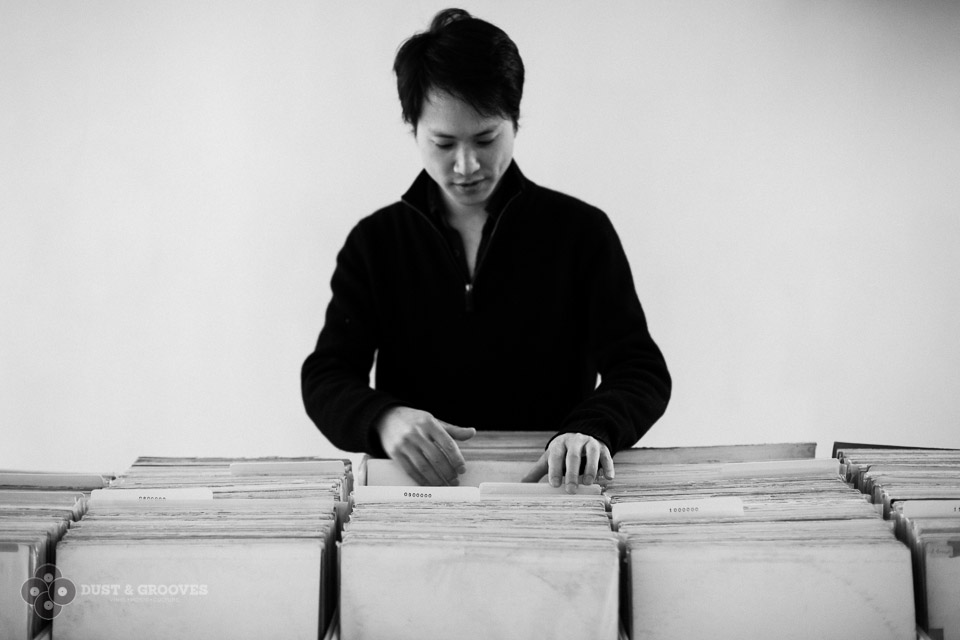
A couple of months ago this interesting Dust and Grooves article about a performance artist named Rutherford Chang really grabbed my attention.
You see, Rutherford Chang is a Beatles collector who only collects one particular Beatles album.
It’s the double LP that comes comes in the plain white cover and is simply called The Beatles….or as it’s more colloquially known: TheWhite Album.
You can take a look at a video featuring Chang’s very large collection here.
And then there’s the rather amazing beatlealbum.com website, dedicated solely to exploring every aspect of The Beatles.
All this got me wondering. How many copies of The White Album do you have in your collection?
They can be on vinyl, compact disc, 8-track tape, reel-to-reel, cassette…or maybe even as a digital download.
I added up the copies in my collection in various formats and it comes to a total of 16 copies in all. That’s 5 x CDs, and 11 x LPs…nothing on Chang’s extensive collection!
But I’d be very interested to hear from you.
How many do you have?
You can drop us a line by using this contact form:
OK. In Part One I detailed the four main record stores I was able to visit while in San Fran.
Now some detail on what I found and brought home to join the collection. Firstly, the vinyl.
At Rasputin Music on Powell (near Union Square) I found a very clean copy of George Harrison’sLiving in the Material World. It was a US pressing I didn’t have – a budget re-issue on the green Capitol label:As you can see, it’s a nice clean copy and the vinyl is mint.
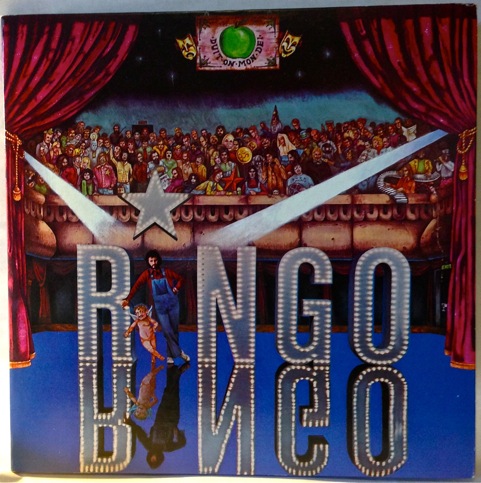
Also at Rasputin there were two Ringo Starr LP’s I liked the look of and they were both very reasonably priced. I have Australian pressings of both of these, but good US copies like these were a welcome addition to the collection. They are both on the Apple label and original throughout. This gatefold copy of Ringo (1973) was complete with its book of lyrics and wonderful line drawings by Klaus Voormann (who also played bass on the album):
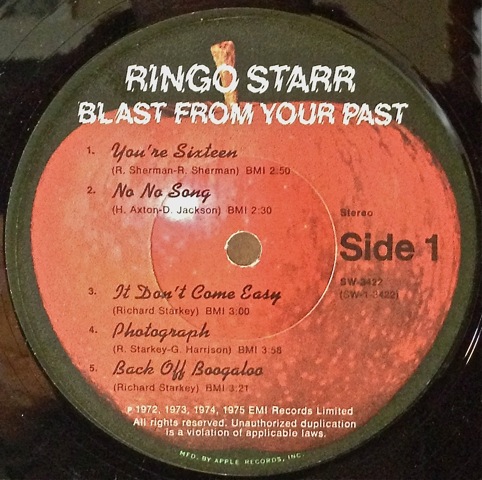
The Fab 4 Free 4 AllBeatle podcast recently reviewed the Ringo album and raved about it (see episode 60, “Ringo” – Analysis and Review). Also at Rasputin was a copy of Ringo’sBlast From Your Past which came with the original inner sleeve of photos on one side and lyrics on the other:
Later in the week I got over to the Haight-Ashbury district were there were three stores in close proximity (Recycled, Rasputin and Amoeba – all on Haight Street).
The first I visited was Recycled Records. They had some vintage Beatles LP’s, but to be honest they were fairly expensive….and so I concentrated on the Beatles as solo artists. I’ve always been keen on collecting variations of Paul McCartney’s “Russian” album called Choba B CCCP. Well, Recycled was a bit of a treasure trove as they have numerous copies in their bins and tucked away underneath on shelves. There were thirty to forty copies in all, and so I set about identifying some versions I didn’t have. There are so many variations of this particular record because it came out firstly as an 11-track album, followed later by a 13-track version. And they were pressed in about six different Russian pressing plants, each with its own label styles and variations (sometimes subtle) within those labels. I turned up four distinct copies I wanted, and they were all very reasonably priced (between US$6.00-$10.00 each). There was one 11-track version (from the Aprelevka pressing plant), two 13-track versions (Tbilisi plant and Riga plant), and one “hybrid” that had an 11-track cover but a 13-track LP inside (which I didn’t realise until I got home). Both the cover and LP are from the same factory (the Riga plant) so I’m not sure if this is legit or just a mistake….
The rear cover of the 11-track version is identified by its yellow colour:
However, this one has a 13-track LP inside – on a plain white Melodyia Records label, made at the Riga pressing plant where the cover was made too:
So. A mystery there. If anyone knows if any other copies like this exist let me know. These are the labels from the other copies of Choba B CCCP purchased at Recycled:
Of course for the full detail on all Russian Beatle and Beatle-related vinyl releases you need to visit this one, fantastic central repository.
Further down Haight Street is another Rasputin Music store and so I ducked in for a look. No vintage Beatles here, but lots of copies of the latest remastered vinyl at good prices. I did find an interesting re-issue copy of the John Lennon/Plastic Ono Band’sLive Peace in Toronto LP however, complete with a reproduction of the 1970 calendar which was included with original copies. It is brand new, still sealed, looked like a good buy and so I got it:
I think this re-issue was released in 2012 through a company called Hi Horse Records (which is a subsidiary of City Hall Records). It’s on the original Apple label and has the same SW 3362 catalogue number. If anyone has any other info on this one it would be very welcome. Please drop us a line.
Then it was on to Amoeba Music’s Haight Street store – which is an enormous warehouse of a building with thousands of LP’s, CD’s and books…however, not a lot of vintage Beatles on display here either, but two very good vinyl buys none-the-less. The first was Paul McCartney’s first solo LP simply called McCartney. It is a US copy, a re-issue in very good condition and on the black Capitol label:
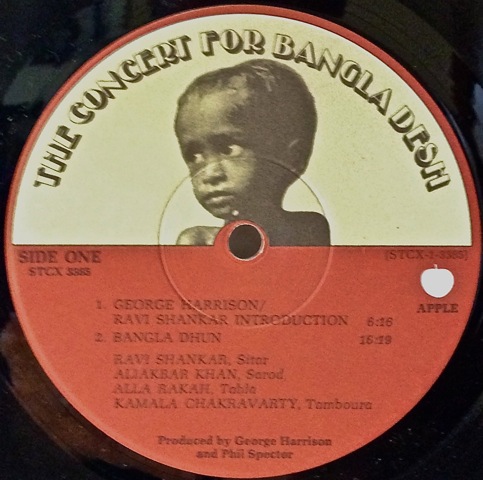
And last but not least a really nice copy – practically mint throughout – of George Harrison’sTheConcert for Bangladesh. I already have an Australian and an unusual South African pressing of this, but have been on the lookout for a good UK copy, and of course a US example as well, which is what we have here. Amoeba had this priced at just US$14.99, which for a triple album set in such excellent condition was an absolute bargain. It came with a mint copy of the original 64-page book, and all the LPs were housed in their original brown paper inner sleeves:
So, that was a quick summary of the vinyl found in four San Francisco record stores during a short visit there last week. Next time a look at the CD’s and DVD’s I found and added to the collection.


 Yoko Ono herself writes about the contents of this box set extensively here. Onobox is a kind of a “best of” compilation, with tracks from across her own (and John Lennon’s) output from 1968 to 1985.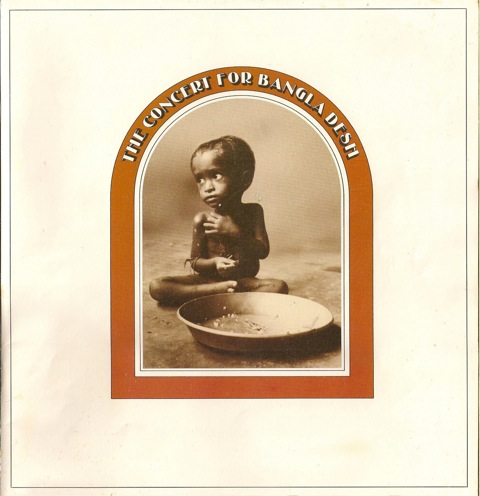













 It was Sam Feldman who also scribbled the words “Phil + Ronnie” on the dead wax. This was for Phil Spector (who produced Let It Be) and his wife, singer Ronnie Spector:

























 Beatles Blog